Canvas Fabric: Natural and Stylish
Canvas sells a position rather than a performance figure: it is bought by ranges that want a natural, structured, photogenic surface and can accept roughly double the fabric weight of a 600D polyester shell. Specify it by ounce per square yard and shrinkage limit, not by feel. Expect 8-14% controllable shrinkage without pre-shrinking and a freight penalty of 150-300 g per unit versus synthetic shells.
Executive summary. Canvas programmes are won or lost in finishing, not in fabric selection, because the base cloth behaves predictably and the finishing choices do not. Our production team quotes canvas from 8 oz to 20 oz, always with a stated sanforised pre-shrink treatment and a written residual shrinkage limit, since unmanaged shrinkage is the single most common defect we see when buyers move from synthetic to natural shells. Quotations assume MOQ 500 pieces per colourway.
Development runs to a fixed calendar: sampling takes 6-10 working days after the tech pack is frozen, and bulk production takes 35-50 days after sample approval, because piece dyeing, sanforising and drying cycles are capacity-bound steps that cannot be compressed by asking. Goods release under AQL 2.5 pre-shipment inspection with zero tolerance for critical defects, and dimensional change after laundering is measured on the first bulk lot so subsequent reorders have a documented baseline.
The commercial case rests on positioning. Canvas supports higher retail price points and lower discount pressure than performance synthetics, which can more than offset its higher unit cost for boutique, lifestyle and gift channels.
Two quotes that look comparable on unit price rarely are: one pet carrier supplier prices the carrier alone while another bundles the pad, the hang tag and the polybag. Split the bill of materials line by line before comparing, and ask each pet bag supplier to state the carton cubage, because that is where the freight difference hides.
What canvas is bought for, and what it costs you
Canvas is a plain-weave cloth traditionally built from cotton or a cotton-blend yarn, and it occupies a commercial position that has little to do with technical superiority. Buyers choose it for surface character, structure and the way it photographs, and they accept its penalties knowingly. Understanding those penalties in advance is what separates a profitable canvas range from an expensive lesson.
The first penalty is weight, and it is substantial. A 12 oz canvas shell may run 400-440 gsm before coatings, roughly double a standard 600D polyester build. Across a backpack, that is often 200-350 g added per unit, which shows up four times: in fabric cost per metre, in cutting and handling labour, in freight chargeable weight, and in how the finished product feels when a customer lifts it off the shelf.
The second is dimensional behaviour. Cotton swells and relaxes in water, so finished dimensions move unless the cloth is sanforised and the panels are cut with accounted-for shrinkage. This is manageable and entirely predictable when specified, but only when specified - a tech pack that says "natural canvas" and nothing else will produce one well-fitting sample and one very different bulk shipment.
The third is care and appearance. Canvas marks, creases and soils differently from synthetics, and it dries slowly. For pet applications, where soiling is routine, this means either accepting a lived-in patina as part of the design story or specifying a finish that resists staining. Buyers often discover too late that their return-reason pattern changes completely when they move a successful synthetic design into canvas unchanged.
Put against those penalties is a genuine commercial advantage: canvas supports stronger pricing. Ranges positioned on natural materials consistently hold higher average selling prices and resist marketplace discount spirals better than generic printed synthetics, which is why the arithmetic often favours canvas despite higher unit cost.
There is a fourth cost worth naming because it surprises buyers: hardware and trimming tend to rise alongside canvas. A heavy cloth needs heavier thread, wider webbing and stronger hardware to balance visually, and those knock-on changes frequently exceed the fabric premium itself. Budgeting only for the cloth change regularly produces quotations that appear to have jumped for no explained reason.
There is also a lifecycle argument in canvas's favour. A canvas bag that ages visibly often remains in service longer than a synthetic bag discarded at the first sign of wear, which supports replacement purchase timing and strengthens repeat purchase behaviour across a range.
Buyers should also weigh how the material behaves at the end of life, since retail customers increasingly ask where a bag goes when discarded. Cotton canvas composts and recycles more readily than laminated synthetics, which supports honest sustainability statements without any testing burden, provided finishes are declared accurately.
Ounce weight, GSM and how to read a canvas quotation
Canvas is quoted by weight per unit area, historically in ounces per square yard in North America and increasingly in grams per square metre everywhere else. Both are legitimate, but they are not interchangeable without conversion, and confusion here is a common source of specification error. Ten ounces per square yard is approximately 340 gsm, twelve ounces approximately 407 gsm and sixteen ounces approximately 542 gsm.
Weight alone does not determine performance, because weave density and yarn quality matter equally. Two fabrics both called "12 oz canvas" may differ in yarn twist, ply and pick count, with one noticeably more durable and more expensive. Ask for ends and picks per inch alongside the weight, and write both into the specification.
Duck canvas and canvas are effectively the same family, differentiated historically by application rather than by construction, though in practice "duck" usually implies a tighter, smoother, more even weave. When in doubt, judge on the physical swatch and the numbers rather than the name.
Finish state also belongs in the specification, whether the cloth arrives loom-state, bleached, dyed or piece-finished, because each stage adds cost and time and each changes how the fabric behaves under subsequent processing. Buyers who specify "dyed, finished, sanforised" in one line eliminate a recurring source of ambiguity between mill and cut-make-trim partner.
Finally, verify which weight standard the supplier is actually quoting. Quoting in ounces and invoicing in grams, or vice versa, creates disputes that are small in isolation and corrosive over a season, so fixing one unit with the conversion shown is worth doing in writing at the outset.
Buyers should also record whether the quoted weight is finished or loom-state, since finishing and coating add measurable mass and the two figures can differ by enough to matter at inspection.
Where both units appear in internal documentation, show the conversion explicitly. Nothing damages a costing review faster than discovering halfway through a programme that one team read a fabric weight in ounces and another read it in grams.
A practical way to sanity-check a quotation is to convert ounce weight to GSM and back again: 10 oz canvas sits near 340 gsm, 12 oz near 407 gsm and 16 oz near 543 gsm. When a supplier quotes 12 oz at 330 gsm, the fabric is light for its stated class and will behave differently in both cutting and wear. That single arithmetic check catches more mis-specifications than any mill certificate, and it takes about a minute.
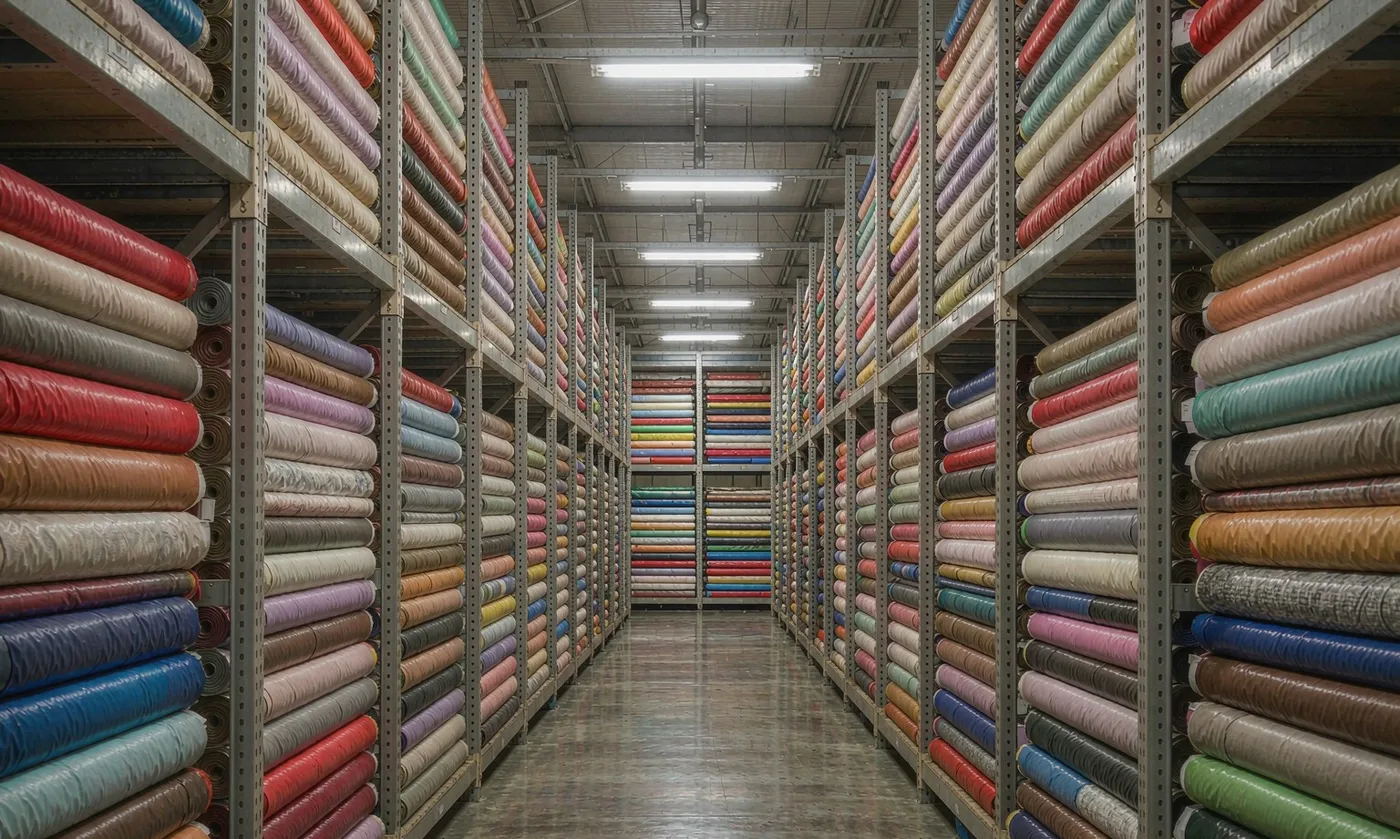
Canvas weight tiers and their real cost impact
The table below summarises the four weights most commonly quoted in pet bag programmes, with their practical applications and a landed-cost view rather than a fabric-only view. Cost index is anchored at 1.00 for 12 oz cotton canvas; the freight column is the one buyers consistently underestimate.
| Weight | Approx. GSM | Typical use | Structural character | Cost index | Freight penalty vs polyester |
|---|---|---|---|---|---|
| 8 oz cotton canvas | 270 gsm | Tote bodies, linings, accessory pouches | Soft drape, folds flat | 0.78 | +90-140 g/unit |
| 12 oz cotton canvas | 400-440 gsm | Structured totes, slings, medium bags | Holds shape, still softens with use | 1.00 | +200-280 g/unit |
| 16 oz cotton canvas | 540-560 gsm | Travel bags, weekender formats | Rigid, self-supporting | 1.30 | +330-450 g/unit |
| 20 oz blended canvas | 650-700 gsm | Heavy bases, kennel covers | Very rigid, high wear life | 1.62 | +500-650 g/unit |
Read the freight column as money, not grams. On air-freighted samples and expedited top-up orders, cost per kilogram translates directly into margin erosion; on consolidated sea freight it matters less but still compounds across full container loads. Buyers mixing canvas bodies with synthetic linings frequently find the best compromise sits at 12 oz, where structure is credible without the weight of heavier grades.
The blended 20 oz option deserves a note: adding polyester to the cotton raises abrasion life and reduces weight gain when wet, at some cost to the purely natural marketing claim. For programmes aiming at a natural position with real durability requirements, blends are usually the honest answer.
A caution on mill substitution: the same nominal weight can be offered at several price points, and the cheapest option usually achieves weight with lower-quality shorter-staple fibre rather than with tighter construction. The result performs acceptably in a hand-feel test and poorly in a six-month field return analysis. Requesting fibre staple length and construction detail prevents this particular false economy.
The practical takeaway is that weight should be chosen from the product's job rather than from habit, and verified by sampling rather than assumed from a specification sheet that may describe a previous lot.
Cost planning should finally account for the fact that heavier canvas products ship in larger cartons, which affects both freight and warehouse space rather than merely fabric spend.
Shrinkage, sanforising and dimensional control
Unmanaged shrinkage is the defect that most often damages a first canvas programme, and it is completely preventable. Cotton cloth holds tension from weaving and finishing, and that tension releases on first exposure to water and heat, pulling the panel in one direction more than the other. Without intervention, dimensional change of several percent is routine.
The standard remedy is sanforising, a controlled compressive shrinking process applied to the cloth before cutting. It does not eliminate shrinkage; it consumes it, so that residual movement in subsequent laundering drops to low single digits. Specifying a residual shrinkage ceiling after a standard wash cycle is therefore far more useful than asking whether fabric is pre-shrunk.
Second, specify direction. Canvas usually shrinks more along the warp than the weft, so panels must be cut on the correct grain and shrinkage allowed for in the pattern, not hoped away. A tech pack that states grain direction and tolerance avoids most distortion complaints, particularly on structured pieces where a side panel that moves even slightly will not fit the binding.
Third, test the finished unit, not just the swatch. Panel interactions, interfacing and stitching all constrain movement differently, and the wash behaviour of an assembled bag can differ from the flat fabric. Our practice is to launder one sampled unit and record measurements, which costs a day in development and removes an entire category of customer complaint.
Storage and transit also belong in dimensional planning. Canvas shipped in compressed cartons may develop set creases that laundering later releases unevenly, so packing method matters as much as fabric treatment. Rolled packing or interleaved folding is cheap insurance for premium programmes where first impressions carry the sale.
Buyers should also specify how residual shrinkage is measured, since different wash protocols produce different figures and a number quoted without its method cannot be reproduced by your own laboratory.
Care labelling follows directly from this data, and honest labelling reduces returns from customers whose expectations were set incorrectly elsewhere.
Residual shrinkage belongs in the purchase order as a number rather than a promise. Our production team writes a 3% maximum in warp and weft after one domestic wash at 40 C, measured on a marked 50 cm panel. Buyers who accept "pre-shrunk" as a description instead of a test result routinely receive liners that pucker and bases that rock after the customer's first wash, which is precisely when the return is authorised.
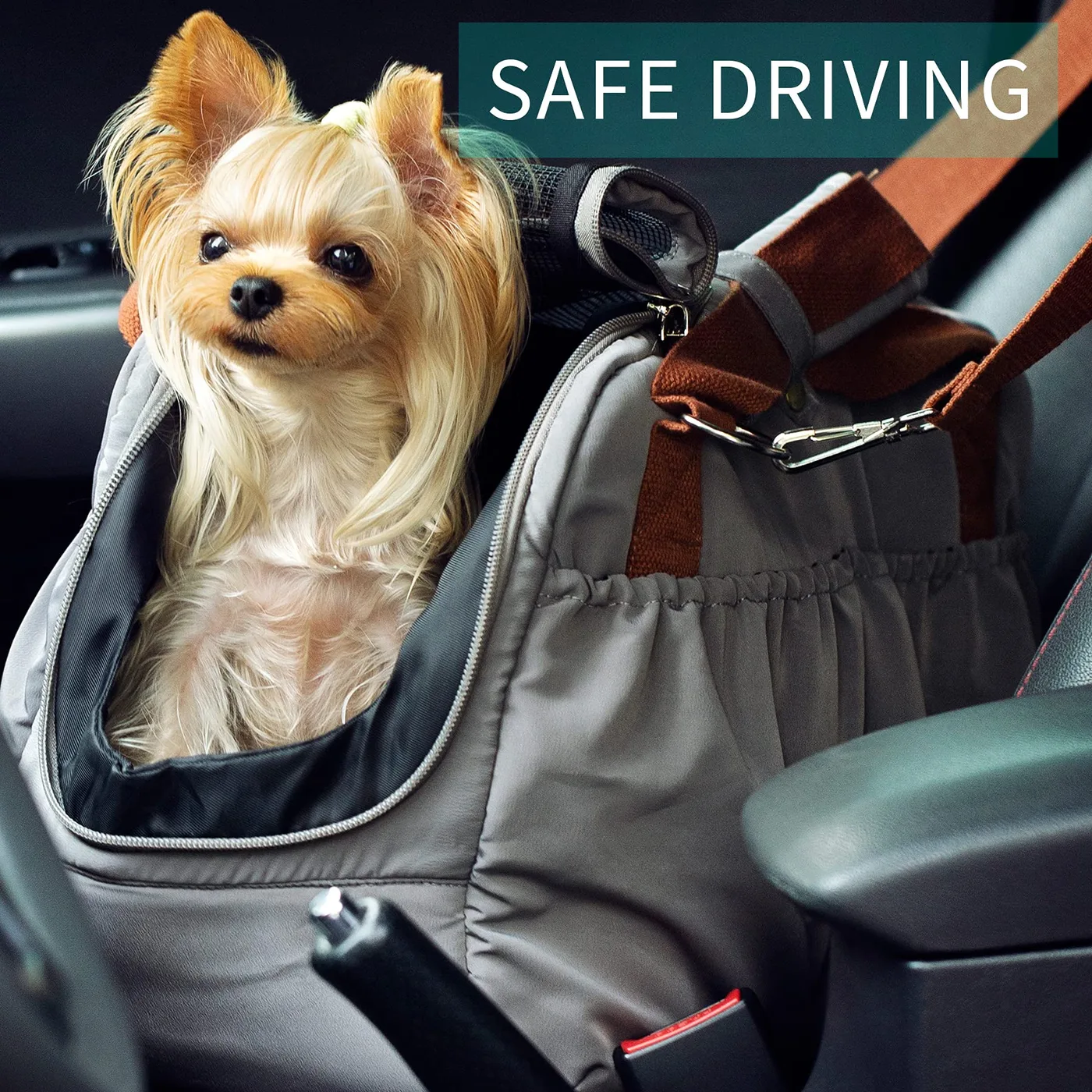
Finishes: waxed, coated, enzyme-washed and printed
Finish determines both the look and the serviceability of a canvas bag, and it is the highest-value decision in the whole specification after weight. Four finish routes cover most programmes.
- Enzyme wash. Softens hand and gives a lightly broken-in appearance. Adds cost per metre and increases measurement variation between dye lots, so tolerance must widen slightly.
- Wax finish. Adds water resistance and a distinctive patina that deepens with handling. It migrates in heat, so it suits moderate climates better than hot ones, and it complicates printing afterward.
- PU or acrylic coating. Improves stain resistance and dimensional stability while dulling the natural surface. Often the pragmatic choice for pet applications where soiling is expected.
- Pigment print. Canvas accepts pigment printing well, though unlike polyester it cannot be sublimated, so per-colour print costs and minimums apply to graphic programmes.
Specifying any of these changes the care instructions on your product page, which in turn changes return behaviour. A waxed canvas bag must not be machine washed; if your channel expects washability, choose a coating instead. Test methods for colour stability and appearance change after finishing are standardised by bodies such as AATCC, and quoting these references keeps supplier and buyer measuring the same thing.
Finish selection has one further commercial dimension: it determines how the product ages, and ageing is either part of the brand story or a source of complaints. Waxed canvas develops a patina that many premium customers actively want; untreated canvas simply looks dirty. Decide which narrative you are selling before selecting the finish, then write it into the product description.
In pet applications specifically, finish choice should be made with cleaning frequency in mind, because a surface that resists staining reduces the laundering load that would otherwise accelerate shrinkage and colour loss.
Testing the finish combination rather than the individual components prevents the common surprise where each element passes and the assembled product still disappoints.
Mildew, odour and hygiene in pet applications
Natural fibre absorbs and holds moisture, which matters more in pet products than in almost any other category. A canvas panel dampened by a wet animal, then stored closed in a warm hallway, is a plausible mildew scenario, and it is a scenario buyers can engineer against at very low cost.
Practical measures rank clearly. Ventilation design comes first: mesh panels placed high on the body allow moist air to escape while retaining structure. Second is a wicking liner that moves moisture away from the canvas rather than letting the shell absorb it, with removability so the liner can be laundered separately. Third is a mildew-resistant finish on the canvas itself, which is cheap and effective but must be re-specified as chemical policy evolves in your destination market.
Antimicrobial claims deserve caution. Any performance claim made on a product page becomes your legal responsibility in most markets, and treated-finish claims need evidence specific to the article, not to the chemistry in abstract. Where a claim is commercially necessary, request test evidence referencing recognised methods and, for European destinations, ensure the treatment chemistry itself appears in documentation rather than relying on a supplier's general statement. Independent verification through organisations such as SGS is standard practice before claims appear on packaging.
Finally, consider what happens when soiling is severe. Removable components allow replacement rather than replacement of the entire unit, which protects your review scores far better than cleaning advice does. Buyers building canvas ranges should price a removable liner option from the start, because retrofitting it later means re-patterning the entire product.
Ventilation deserves equal attention, since any closed natural-fibre bag holding a damp animal will develop odour regardless of how good the finishes are, making airflow a hygiene control rather than a comfort feature.
Buyers should treat airflow as a hygiene control rather than only a comfort feature, since stagnant damp air inside a natural fibre bag produces odour complaints faster than almost any other cause.
Two field failures illustrate the point. A boarding operator ordered uncoated 12 oz canvas totes for a humid coastal site and saw mildew spotting inside eleven weeks despite correct washing. A second buyer specified a mildew-inhibitor finish but omitted it from the bulk order, so the finish appeared on the approval sample and never on the shipment. Both were documentation failures rather than material failures, and both were cheap to prevent.
Compliance and origin documentation for natural fibre
Cotton carries origin questions that synthetics largely escape, particularly for United States bound shipments where cotton traceability requirements apply. Buyers should ask for documented cotton origin at quotation stage, not at customs.
Chemical compliance then covers everything applied to the cloth: dyes, finishes, coatings and any residual processing aids. Restricted substance frameworks relevant to European placements are administered through ECHA, and OEKO-TEX-style article certification remains the simplest route to demonstrating restricted-substance testing across components. Reference criteria are published by OEKO-TEX, and requiring component-level certificates rather than finished-product ones is normally sufficient for retailer and marketplace checks.
Finally, weight-based calculators matter here more than usual. Because canvas programmes are heavier, any compliance or freight calculation performed on a synthetic product earlier in your range history will understate both - update both figures when the material changes.
Weight-based declarations and labelling also deserve early attention, since several markets require fibre composition labelling with tolerances, and blends must be declared accurately. Mislabelled composition is a straightforward compliance failure that is entirely avoidable at sample stage and awkward to remedy once goods have shipped.
Where programmes sell across several markets, maintaining one master documentation pack per fabric considerably reduces the chance that a territory-specific requirement is discovered only once stock has landed in a bonded warehouse.
Documentation discipline pays back disproportionately at customs, where a complete pack clears in hours and an incomplete one can sit for days.
Origin documentation deserves the same discipline as the physical specification. Cotton origin declarations, spinning and weaving country records and any organic or recycled fibre claim must travel with the shipment, because customs and retailer audits ask for them long after the commercial negotiation has closed. Our production team issues the document set against the packing list rather than the invoice, which is the format most auditors expect to receive.
Building the tech pack: six fields for canvas
A complete canvas specification is short but precise, and every field below has caused a failure somewhere in our experience when omitted.
- Fibre composition with exact percentage, including any polyester blend.
- Weight stated in both ounces per square yard and grams per square metre, with tolerance.
- Weave density as ends and picks per inch, not just "canvas".
- Finish route, with wash limit or coating weight where applicable.
- Residual shrinkage maximum after a defined wash cycle, measured in both directions.
- Colour reference, tolerance method, and fastness targets to light, rubbing and washing.
With those six fields settled, our production team can quote reliably and sample within 6-10 working days, with bulk in 35-50 days after approval. Buyers comparing weight tiers often read this alongside the material comparison and the note on waterproof construction, since the three decisions interact.
Add one closing instruction that saves more time than any other: require a fullSpecification sheet for every fabric component, not just the shell. Linings, interfacings, webbings and bindings all carry the same potential for silent substitution, and each is cheaper to control in writing than to discover as a defect later.
Taken together, these fields convert a canvas specification from a description into a contract, which is exactly what protects you both when a shipment arrives and something looks different from the approved sample.
Once the habit of complete specification is established across a range, both sides stop arguing about what was agreed and start discussing how to improve the next version.
Production capability
- SGS-verified production space of 4,950 m², 149 machines, 7 assembly lines
- Pet bag output since 2014 from a 137-person team
- 200,000 units shipped monthly under BSCI and ISO 9001 systems
People Also Ask
What is canvas fabric made of?
Traditionally cotton, sometimes blended with polyester for durability. It is a plain weave valued for structure, natural surface appearance and how it ages rather than for technical performance.
Which is heavier, canvas or polyester?
Canvas is considerably heavier. A 12 oz canvas may be roughly double the mass per square metre of a 600D polyester shell, which affects both freight cost and perceived product weight.
Is canvas good for dog bags?
Yes for structured, premium-positioned formats where appearance and natural positioning sell the product. It works less well for ultralight or highly damp-use designs.
How do you stop canvas shrinking?
Specify sanforised cloth, set a measured residual shrinkage ceiling, cut on the correct grain and launder-test the assembled sample before bulk approval.
Does waxed canvas need re-waxing?
Periodically yes, since wax migrates and wears away with use. Products marketed with a patina story handle this well; products promising permanent waterproofing do not.
What is the difference between canvas and duck cloth?
Both are plain-woven heavy cotton cloths. Duck usually implies a tighter, smoother weave; the practical distinction is better made on numbers and swatches than names.
Frequently Asked Questions
Is canvas too heavy for pet bags?
It is heavy relative to synthetics, adding roughly 200-350 g per unit at 12 oz. That is acceptable for tote and travel formats sold at premium price points, and questionable for lightweight air-freighted programmes.
What ounce canvas should I use?
8 oz for soft totes and linings, 12 oz for structured everyday bags, 16 oz for travel formats and 20 oz blends for heavy-duty bases. Most profitable programmes cluster at 12 oz.
How much does canvas shrink?
Unsanforised cotton canvas can move several percent on first wash. Sanforised cloth typically holds residual shrinkage to low single digits, which is why the specification must state a measured ceiling rather than simply asking for pre-shrunk fabric.
Is canvas waterproof?
Not inherently. Wax finishes or coatings supply water resistance, and seam sealing provides genuine waterproofing. Untreated canvas will wet through under sustained rain.
Will canvas develop mildew?
It can in warm, damp conditions, particularly if stored closed while wet. Ventilation design, removable wicking liners and mildew-resistant finishes manage the risk effectively.
Can canvas be printed?
Yes, by pigment printing, but not by sublimation, which only bonds to polyester. Screen or digital pigment routes carry per-colour considerations and slightly different hand feel than sublimated synthetics.
Does canvas fade?
Cotton dyed with pigment or reactive dyes can show moderate light fastness. Darker and brighter shades fade fastest, so specify a light fastness target where products will be displayed in sunlight.
Is canvas machine washable?
Plain finished canvas generally is, while waxed canvas is not. Finish choice therefore dictates the care instructions printed on your product page, and mismatches here drive returns.
Is a cotton-polyester blend better for pet bags?
Blends improve abrasion and reduce moisture-related weight gain while slightly weakening the purely natural marketing claim. Where durability matters as much as positioning, blends are the pragmatic choice.
What does canvas cost compared with polyester?
Typically more per metre and significantly more landed, because weight raises freight cost. A 12 oz shell can cost meaningfully more per unit than a 600D polyester shell after freight, though higher achievable retail prices often offset it.
Do you supply both conceptions of canvas grams?
Yes. Quotations state both ounces per square yard and grams per square metre with tolerances, alongside weave density, so there is no translation ambiguity between your team and the mill.
Are there origin requirements for cotton?
Yes in several destinations, notably the United States cotton traceability expectations. Request documented cotton origin at quotation stage so it is available before customs rather than after.
Talk to QUANZHOU JUNYUAN BAGS about a wholesale pet bag order: MOQ 500 pieces per colourway, samples in 6-10 working days, bulk production in 35-50 days under AQL 2.5 inspection.
Get a free quote Request a sample