Circular Economy Pet Bags: Recyclable Sourcing Guide
A circular pet bag program works when three things exist before the first shipment: a construction that separates into recoverable streams in under three minutes, a named reverse-logistics route with a cost per returned unit, and a recovery partner that confirms what it will accept in writing. Recycled content alone is not circularity.
Circularity is a logistics problem before it is a material problem. Most programs fail not because the fabric cannot be reprocessed but because nobody budgeted the return leg, the sorting labour, or the grade-down value of a used bag. Model those three costs before you commit to a take-back promise on a listing page.
Wholesale terms stay straightforward: MOQ 500 pieces per color, samples in 6-10 working days, bulk 35-50 days after approval, T/T 30/70, FOB Xiamen, and pre-shipment inspection at AQL 2.5. What changes is the documentation package - a component map, a disassembly instruction sheet, and a recovery partner letter dated for the specific lot. Run the first take-back on one SKU in one market, count returns honestly, and scale only when recovered value per unit is at least covering collection cost.
Orders for bulk pet carriers are quoted on the same three levers as Material & Technology work - fabric weight, hardware grade and carton count - because freight, not unit labour, decides the landed figure. Buyers who buy pet carriers in mixed sizes can consolidate several size runs into one booking, which keeps the per-unit spread tight without forcing a single colourway to carry the whole minimum.
Circularity Starts With a Return Route, Not a Fabric
The word circular describes a loop, and a loop has two legs: the product going out and the product coming back. Most sourcing conversations spend nearly all their time on the outbound leg - recycled yarn, mono-material shells, lighter packing - and none on the return leg. That is why so many circular programs stall at pilot stage. The fabric is recyclable in principle; the bag is not recyclable in practice, because no collection point, no carrier, and no reprocessor is contracted to receive it.
Before specifying anything, answer three commercial questions in writing. Who pays the return freight - the brand, the retailer, or the consumer? Where does a returned bag physically go, and who sorts it? What does the reprocessor pay per kilogram for post-consumer material of that grade, and what is the minimum shipment? If any answer is unclear, the loop is open, and marketing copy describing it as closed cannot be defended.
The economics are unglamorous. A used pet bag is bulky, dirty, and low-value by weight. Air is the enemy: a soft bag shipped back at assembled volume costs several times more per kilogram of recoverable material than the same bag flattened. Any viable program therefore begins with a compaction step - fold, flatten, or a prepaid mailer sized to a compressed bundle - and with a realistic return rate assumption, which for voluntary take-back in soft goods typically sits in the low single digits of units sold.
There is also a demand question buyers overlook: does anyone want the output? Post-consumer polyester from a pet bag competes with bottle-derived feedstock that is cheaper and cleaner. Your program needs either a reprocessor willing to take a mixed, lower-grade stream at a known gate fee, or a brand-funded arrangement where the cost is booked as marketing spend rather than recovered value.
Treat the first year as paid learning. Set a budget line for reverse logistics per unit sold, measure actual return rate and cost per returned unit, and report both internally as program cost. A circular claim that survives audit is one where the brand can show it paid for the loop.
Design the Bag to Come Apart Quickly
Disassembly is the hinge on which recovery value turns. A bag that needs a knife, a screwdriver, and twenty minutes to strip yields contaminated mixed material; the same bag with removable panels and one polymer family yields a sellable stream. Time-to-separate is therefore a specification, and it belongs in the tech pack next to seam strength and color fastness.
The practical target is under three minutes with no powered tools. That target forces decisions early, while they are still cheap: replacing riveted hardware with unclippable webbing loops, replacing glued base boards with drop-in boards held in a sleeve, avoiding laminated multi-layer panels, and aligning zipper tape polymer with shell polymer where the construction allows. Each decision removes one contamination source from the output.
| Joint or structure | Tools to separate | Time per unit | Recovered fraction | Stream quality after separation |
|---|---|---|---|---|
| Stitched shell to lining | Seam ripper | 4-7 min | 60-70% | Mixed fibre, thread contamination |
| Riveted hardware | Drill or punch | 3-5 min | 55-65% | Metal recovered, textile damaged |
| Glued base board | Knife, solvent | 5-8 min | 40-55% | Adhesive residue, downgraded |
| Drop-in board in sleeve | None | 10-20 sec | 90-95% | Clean board, clean shell |
| Unclippable or hook-and-loop trim | None | 20-40 sec | 85-95% | Clean polymer streams |
| Laminated multi-layer panel | Not separable | Not viable | 0-20% | Refuse or energy recovery only |
The pattern is consistent: fasteners a person can undo by hand produce clean streams, and permanent bonding does not. That does not mean every seam becomes a snap, because a pet bag has to restrain a live animal safely. The compromise is to keep structural joints stitched or bonded wherever load demands it, and to make every non-structural element - base board, interior divider, branding plate, removable pad - separable by hand.
Write a disassembly instruction sheet as part of the tech pack, with photographs and an estimated time. It serves three purposes: it tells the recovery partner what to expect, it gives the compliance file evidence that recovery was engineered rather than assumed, and it becomes the basis for the instruction printed on the product or the take-back page.
Reverse Logistics: Costing the Return Leg
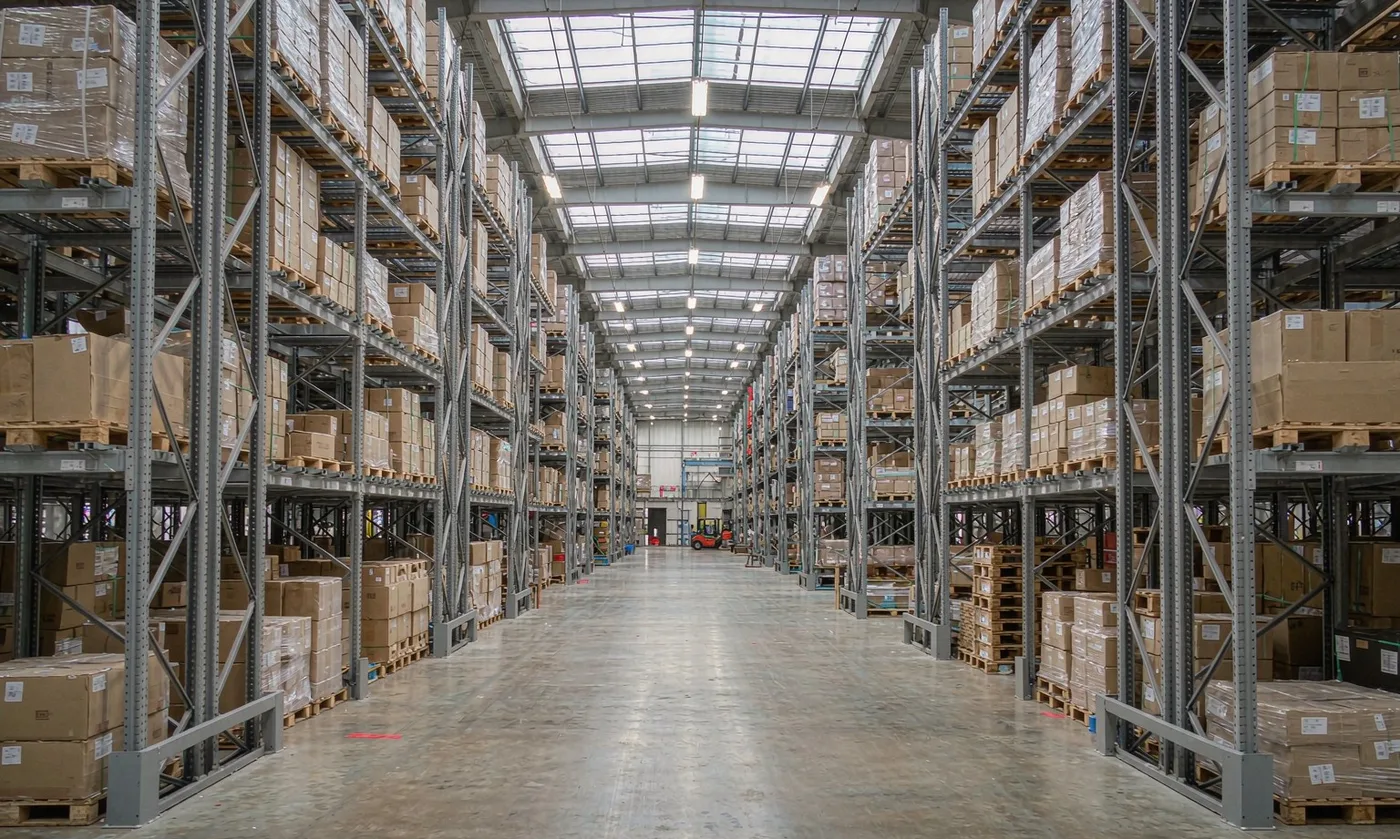
A take-back program carries four cost components: collection, consolidation, transport, and processing. Collection is the consumer-facing element - a prepaid label, a store drop-off, or a mailer shipped with the original order. Consolidation is where returned units accumulate until a shipment threshold is reached. Transport moves the consolidated batch to the sorter or reprocessor. Processing is either a gate fee or a recovered-value credit.
Model it per hundred units sold rather than per returned unit, because return rate drives everything. At a 2% return rate on 10,000 units you handle 200 bags; if the prepaid mailer costs 3.00 USD and consolidation plus freight adds 1.50 USD, the program costs roughly 9.00 USD per returned unit before any processing fee. Against a wholesale unit price in the 6-15 USD range that is a material sum, and it has to be justified as brand investment rather than margin recovery.
Consolidation is where costs quietly explode. If returns trickle in one at a time, every shipment falls below the freight minimum and you pay parcel rates on air. Setting quarterly consolidation windows, or working with a retailer that already aggregates returns at its distribution centre, converts many small shipments into one pallet and usually halves per-unit transport cost.
Processing can be a cost or a credit. Clean mono-material textile earns a small credit; mixed or contaminated material attracts a gate fee. Ask the reprocessor for both figures in writing, because assuming a credit where a fee applies is the most common budgeting error in circular programs.
Grading Returned Bags Before You Promise Anything
A returned pet bag is not a homogeneous input. Some units come back lightly used and structurally sound; others are soiled, chewed, or mouldy. Sorting has to happen before processing, and sorting is manual labour that rarely appears in the original plan.
Three grades is a workable scheme. Grade A units are clean and structurally intact, suitable for refurbishment and resale, which is by far the highest-value route and should sit first in any circular hierarchy. Grade B units are serviceable but stained or cosmetically damaged; they can be cut down into smaller accessories or stripped for parts. Grade C units are contaminated or structurally failed and go to material recovery or, honestly, to disposal with the route recorded.
Refurbishment deserves more attention than it receives. A bag that is cleaned and resold displaces a new unit entirely, which beats any recycling outcome by a wide margin on footprint. If the brand has an outlet channel, a refurbished line also generates revenue that partially offsets take-back cost, turning part of the program from expense into margin.
Grade C is where honesty matters most. Record the quantity and the destination. A program that reports a 90% diversion figure while quietly landfilling the contaminated third without recording it is building a liability rather than an asset. Publishing the grade split, even when it looks unflattering, is far more defensible than publishing only the favourable line.
Grading also needs a physical workspace and a written rule set, because two people sorting the same pile will otherwise produce different results. A one-page grading sheet with photographs, a bin for each grade, and a weekly tally is enough for a pilot. The tally is what turns sorting from an anecdote into data, and it is the number the reprocessor will want when it quotes on the next load.
Link the grade split back to design. If grade C is consistently high because panels delaminate or hardware tears out, that is a product-engineering signal rather than a waste problem, and it belongs in the next specification review. Programs that feed this data back into design usually see the recovered fraction rise by a meaningful margin within two seasons.
Contract the Recovery Partner Before Launch
A letter of intent from a recovery partner is the difference between a circular program and a circular story. That letter should name the material types accepted, the condition required, the minimum shipment, the price or gate fee, and the period covered. It should be dated and signed, and refreshed annually, because feedstock markets move and acceptance criteria move with them.
Ask pointed operational questions. Does the partner accept post-consumer textile with metal hardware attached, or must hardware come off first? What moisture content is tolerated? Are bales required in a specific size? Is there a contamination threshold above which the entire load is rejected? Each answer either changes the design specification or changes the cost model, and discovering it after launch is expensive.
Where the partner is overseas, add a documentation requirement. Transboundary movement of waste material is regulated, and a shipment described as recyclate can be classified differently depending on condition and destination. Confirm classification with the partner and keep the paperwork with the lot, because the brand, not the factory, usually carries the reputational risk if a shipment is refused entry.
Reference frameworks help structure the conversation. The ISO 14001 environmental management standard sets the discipline for tracking material flows and impacts, and the European Chemicals Agency is the authority to consult on substance restrictions affecting whether a recovered stream can re-enter the market. Neither verifies the loop, but both define the boundaries within which it has to operate.
Facility-level statements can be checked through independent SGS audit and testing services, which is useful when a retailer asks whether the named partner site actually exists and does what the letter claims. Our production team builds through partner facilities inside an SGS-verified production base of 4,950 square meters with 137 people, 7 lines, 149 pieces of equipment, and roughly 200,000 pieces monthly capacity, and buyers are welcome to verify that footprint independently.
Evidence Retailers Accept for a Closed-Loop Claim
Retail compliance teams do not read sustainability prose; they read checklists. A closed-loop submission that clears review normally contains a component map, a disassembly instruction with time estimate, the recovery partner letter, a take-back volume record, and a grade split showing what happened to returned units. Missing any one of those five tends to stall the submission.
The component map is the most underrated document. It lists every part with its material, weight, and separable yes-or-no, converting a design discussion into a table a reviewer can audit. Build it during sampling, update it whenever a trim changes, and version it. A claim supported by a component map dated after the production lot is worth very little.
The take-back volume record is the second critical item, and it is where most first-year programs look thin. If you launched three months ago, you have no volume data, and the honest submission says exactly that: program launched, volumes not yet material, data to follow. Retailers accept that. They do not accept a projection presented as an actual.
Be precise about closed versus open loop. If recovered material from your bags is reprocessed into something else - insulation, automotive felt, industrial fibre - that is open loop, and should be described that way. Closed loop means the material returns to the same product category, which is rare in soft goods and must not be implied unless it genuinely happens.
Retailers also ask about timing, and the answer should be conservative. A submission that promises full loop closure by a date is a commitment the brand will be held to, while a submission that describes the current state with the next milestone named is both honest and easier to update. Where a reviewer pushes for a target, give a range tied to return volume rather than a calendar promise.
Prepare a one-page summary for buyer meetings. Compliance teams forward documents, they rarely rewrite them, so a summary that fits on a single page with the five artefacts attached travels much further through a retail organisation than a long narrative. Keep the same page for every SKU on the platform so the story stays consistent.
Hardware, Adhesives, and the Contamination Problem
Contamination is the silent killer of recovery value. A load of clean polyester carrying five percent metal hardware, foam, and adhesive is worth substantially less than the same load without them, and is sometimes rejected outright. Design choices that add grams of contamination remove dollars of value elsewhere in the chain.
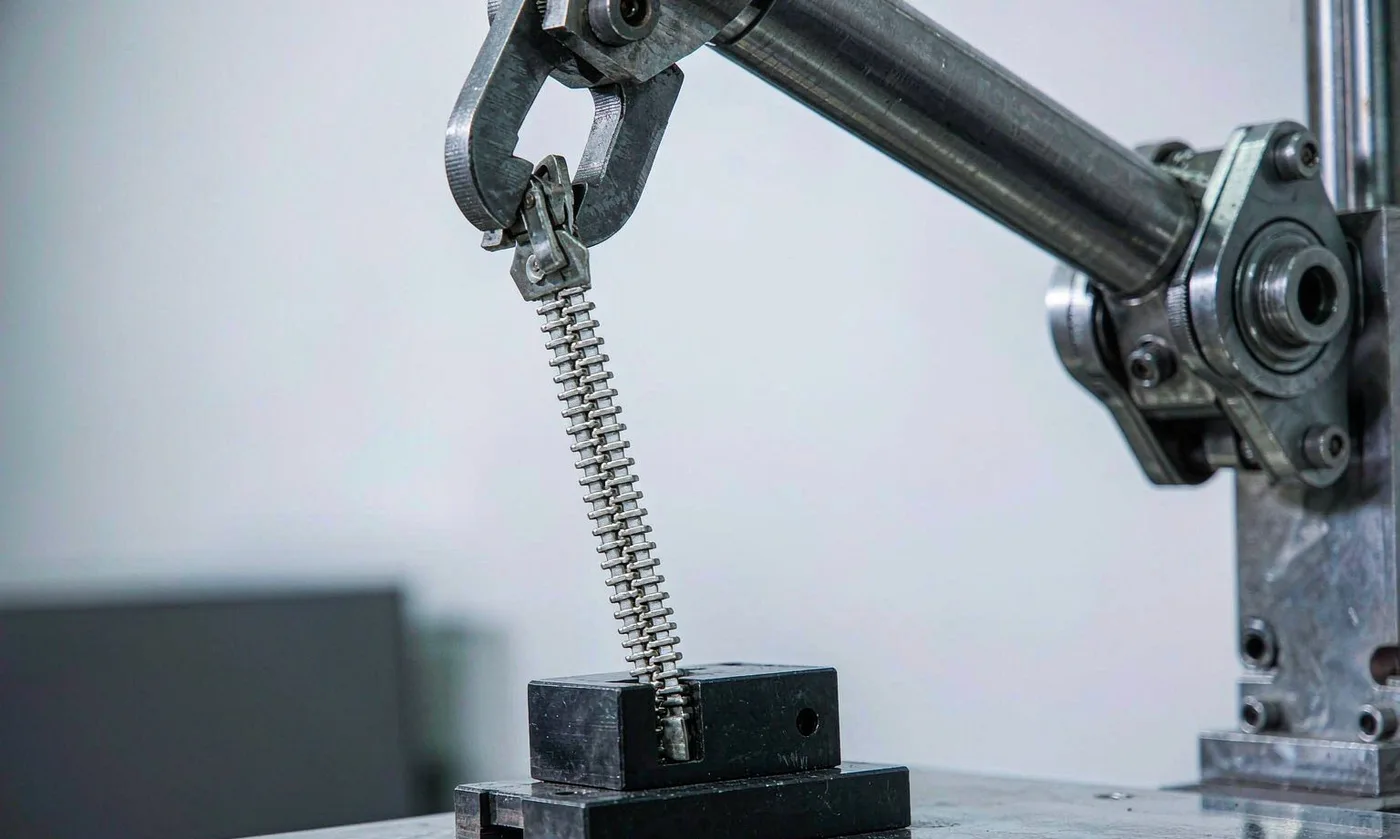
Hardware is the largest contributor by weight. Buckles, D-rings, sliders, and feet are usually acetal, zinc alloy, or steel. Where a metal part is structurally required, position it so it can be unclipped rather than riveted. Where it is decorative, delete it from the specification - a moulded logo in the shell polymer costs less and contaminates nothing.
Adhesives are the second contributor and the harder one, because they are invisible on a tech pack. Laminated panels, bonded interlinings, and glued base boards all depend on them. Ask the supplier to name the adhesive family and its softening temperature, because reprocessors sometimes reject loads above an adhesive-content threshold, and you cannot answer the question if you never asked it.
Coatings and finishes form the third contributor. Polyurethane coatings, durable water repellent treatments, and antimicrobial finishes sit on the fibre and enter the output stream. Some reprocessors accept them at known levels; some do not. Where a finish is needed for product performance, list it in the component map so the recovery partner prices the stream accurately instead of discovering it at the gate.
Thread is the quiet fourth contributor and is almost never discussed. A polyester bag sewn with a nylon or cotton-wrapped core thread introduces a foreign fibre through every seam, and on a heavily stitched style thread can reach one to two percent of mass. Specifying thread in the same polymer family as the shell is a low-cost change that most suppliers can make without any tooling impact.
Set a contamination budget the way you would set a cost budget: a target percentage by weight of non-target material, measured on the component map and verified on a stripped sample. A number such as three percent gives the design team something to engineer against and gives the recovery partner a specification it can quote on.
Write the Take-Back Instruction Customers Actually Follow
Participation rates are governed by friction, not by enthusiasm. A customer who has to find the returns page, print a label, locate a box, and pay postage will not participate, and a program with 0.2% returns cannot produce credible data. The instruction has to be short, visible at the moment of disposal, and cheap to act on.
Three placements work: a sewn-in label with a short sentence and a URL, a card in the carton, and a footer link on the product page. The label is the one that survives, because it is still attached years later when the customer decides to discard the bag. Keep the sentence under fifteen words and put the URL on its own line.
Say what to do with the bag before return. Asking for a flattened bundle rather than a full-size box cuts freight cost substantially, and a simple instruction - remove the base board, flatten, tie with the attached strap - takes seconds and makes the return leg affordable. Include a photograph rather than a paragraph; comprehension rises sharply with an image.
Then measure the funnel. Count visits to the returns page, labels issued, and units actually received, and report the drop-off at each step. A large gap between labels issued and units received usually means the instruction was unclear or the postage step was annoying, and both are fixable cheaply once you can see where people stop.
Finally, close the communication loop. A short confirmation when a returned unit is received, and a periodic note describing what the returned material became, converts a transaction into a relationship and generates the kind of content that makes the whole program worth its cost. Keep that message factual and tied to real volumes.
Scaling From One Take-Back SKU to a Range
Start narrow. One high-volume SKU, one market, one recovery partner, one quarter. The goal of the first cycle is not volume; it is cost per returned unit and a clean grade split. Those two numbers tell you whether the concept works at your price point and whether the claim will survive scrutiny.
Sampling for a disassembly-oriented redesign takes 6-10 working days once construction and materials are settled, and the redesign itself - drop-in boards, removable pads, unclippable hardware - usually adds a round because the parts must be prototyped and refitted. Bulk runs 35-50 days after approval at MOQ 500 pieces per color.
Pre-shipment inspection at AQL 2.5 should be extended for circular programs to confirm that separable parts actually separate and that the shipped construction matches the component map. A production change that quietly rivets what the approved sample clipped is the most common failure mode, and standard workmanship inspection will not catch it.
Expansion criteria should be numeric: return rate above a set threshold, cost per returned unit inside budget, reprocessor pricing stable across two quarters, and zero rejections at the gate. When those hold, move the construction into adjacent SKUs on the same platform, because shared tooling and shared trim families make the second and third conversion far cheaper.
Report honestly at every review. A program with a 2% return rate and a known cost per unit is more valuable to the business than a bold claim with no data behind it, and it is the only version still standing after a compliance audit.
Order and quality terms
- MOQ 500 pieces per colourway; samples in 6-10 working days
- Bulk production 35-50 days after approval; AQL 2.5 inspection standard
- T/T 30/70 terms, FOB Xiamen, full document set per shipment
People Also Ask
What is the first step in building a circular pet bag program?
Contract the return route before specifying materials. Name who pays return freight, where units are consolidated, and what the reprocessor pays or charges per kilogram, in writing and before launch.
Why do take-back programs fail financially?
Returned soft goods are bulky and low-value by weight, so freight and sorting labour exceed recovered value unless units are compacted and consolidated into full shipments.
How is a returned pet bag graded?
Grade A is clean and resellable, grade B is serviceable but stained or cosmetically damaged, grade C is contaminated or structurally failed. Refurbishing grade A delivers the highest value by displacing new production.
What documents support a closed-loop claim to a retailer?
A versioned component map, a disassembly instruction with time estimate, a signed recovery partner letter, take-back volume records, and an honest grade split for returned units.
Does recycled content make a pet bag circular?
On its own, no. Recycled input addresses the front end of the loop. Without a collection route and a contracted reprocessor for the used product, the loop stays open.
How much does a take-back program cost per unit sold?
Model it per hundred units sold using the expected return rate: mailer cost plus consolidation plus freight plus processing fee or credit. At a 2% return rate this often lands near 9 USD per returned unit before processing.
Which design changes make disassembly practical?
Drop-in base boards in sleeves instead of glued boards, unclippable hardware instead of rivets, removable pads, and avoiding laminated multi-layer panels that cannot be separated at all.
Frequently Asked Questions
What makes a pet bag circular rather than merely recyclable?
Circular means the product returns through a real collection route and the material re-enters use. Recyclable describes a theoretical property. You need a contracted recovery partner and recorded return volumes before the word circular is defensible.
How long should disassembly take for a recovery program?
Under three minutes with no powered tools is a workable target. Beyond that, labour cost exceeds recovered material value in most markets and the program depends entirely on brand subsidy.
Who usually pays return freight on a take-back program?
In most soft-goods programs the brand funds collection through a prepaid label or mailer, because consumer-funded returns suppress participation to near zero. Book it as marketing spend rather than expecting margin recovery.
What return rate should a buyer assume when budgeting?
Voluntary take-back in soft goods typically returns in the low single digits of units sold. Model at 2% for planning, then revise after one full quarter of actual data instead of assuming a higher figure.
Is refurbishment better than recycling a returned bag?
Yes. Reselling a cleaned, structurally sound bag displaces a new unit entirely and generates revenue that offsets collection cost. Recycling should be reserved for units that cannot be resold or stripped for parts.
What should a recovery partner letter contain?
Material types accepted, condition required, minimum shipment size, price or gate fee, contamination threshold, and validity period. It should be dated, signed, and refreshed annually because feedstock markets move.
Can metal hardware stay on a circular pet bag?
Yes, if it is unclippable rather than riveted, so it can be removed in seconds before processing. Decorative metal should be deleted in favour of moulded branding in the shell polymer.
What is the difference between open loop and closed loop?
Open loop means recovered material becomes a different product such as insulation or industrial fibre. Closed loop means it returns to the same product category, which is rare in soft goods and must not be implied unless it is true.
How is AQL 2.5 inspection adapted for circular programs?
Add verification that separable parts actually separate and that the shipped construction matches the approved component map. A change that rivets what the sample clipped passes a standard workmanship check and fails the program.
What sample and bulk timing applies to a disassembly redesign?
Samples take 6-10 working days once construction and materials are settled, with one extra round typical for prototyping removable parts. Bulk runs 35-50 days after approval at MOQ 500 pieces per color.
Should contaminated returned units be reported?
Yes. Record grade C quantity and destination, and publish the grade split. Reporting only the favourable diversion line while discarding contaminated units unrecorded creates compliance exposure.
When should a circular range expand beyond the pilot SKU?
When return rate, cost per returned unit, reprocessor pricing, and gate acceptance have all held steady across two quarters. Move next into SKUs sharing the same platform to reuse tooling and trim families.
Do recovered streams need chemical compliance checks?
Post-consumer material re-entering the market must still satisfy substance restrictions for the destination market. Confirm requirements with the recovery partner and keep the documentation with the lot.
Talk to QUANZHOU JUNYUAN BAGS about a wholesale pet bag order: MOQ 500 pieces per colourway, samples in 6-10 working days, bulk production in 35-50 days under AQL 2.5 inspection.
Get a free quote Request a sample