Pet Bag Shopify: DTC Store Setup Essentials
A direct-to-consumer pet bag store succeeds or fails on inventory architecture rather than on website design: every additional colourway commits MOQ 500 units and the cash behind them. Plan the first range to reach MOQ 500 per colourway without fragmenting working capital, allow 6-10 working days for samples and 35-50 days for bulk, quote FOB Xiamen on T/T 30/70 and release against AQL 2.5. Store aesthetics are reversible; inventory commitments are not.
This guide is written for founders and sourcing managers launching a pet bag range through their own online store rather than through retail accounts. The freedom of direct selling is genuine: no buyer, no planogram, no slotting fees and complete control of presentation. The corresponding burden is that every consequential decision now falls on you, and the earliest ones concern inventory rather than aesthetics.
In practice the binding constraint is cash committed to stock. Each colourway represents not merely units purchased but capital immobilised for a full cycle spanning production, freight and selling time. Founders frequently discover that a beautiful eleven-colour launch leaves nothing available for reordering the two colours customers actually wanted, which is a supply planning failure rather than a marketing one.
The remedy is disciplined range architecture and honest lead time planning. MOQ 500 units per colourway sets the entry point, precisely because below that level colour and material consistency suffers across repeat runs. Our production team returns samples in 6-10 working days from confirmed specification and completes bulk in 35-50 days once pre-production approval is signed, releasing every lot against AQL 2.5 with documented evidence, supported by an SGS-verified production base of 4,950 square metres running seven lines with 149 machines and 137 operators at approximately 200,000 pieces monthly.
Pet bag lead time is quoted from sample approval, not from enquiry, and Market & Business Strategy choices are the main variable inside that window. Pet bag production time stretches when a colourway is added late, so pet carrier lead time and pet bag wholesale cost should be agreed in the same email.
Range architecture before store design
The first decision in a direct-to-consumer launch is how many variants exist, and it should be made before any design work begins. Every colourway, size and pattern commits inventory and fractures cash across products that may sell very differently. Range architecture is therefore a financial decision expressed as merchandising.
A disciplined opening range typically covers two or three size bands in two or three colours, sharing one construction platform. That structure gives customers visible choice while keeping each individual variant above the MOQ 500 threshold, and lets you read demand before expanding. Additional colours are the cheapest expansion later, because the platform is already validated.
Resist the temptation to launch broad. New brands frequently assume breadth substitutes for marketing, when the opposite is true: narrow ranges concentrate reviews, simplify content creation and reduce photography cost per SKU, all of which compound into better early performance.
Consider how variants affect reordering too. When eleven variants exist and two sell out, reordering the winners requires either committing to all of them or accepting mixed restock, both of which constrain flexibility unnecessarily.
Finally, decide which variants are permanent and which are seasonal or limited. Permanent items justify component reservation and standing inventory; limited items justify nothing beyond their own run, and keeping them straight prevents accidental over-commitment.
Price architecture deserves equal attention. Positioning one accessible entry product alongside one clearly premium option creates perceived range without requiring inventory across every intermediate point, which preserves cash while still communicating quality.
Bundles deserve consideration too. Grouping accessories with core articles increases order value without adding SKU complexity, because combinations assemble from existing inventory rather than committing variants nobody may want individually.
Finally, decide deliberately what will not launch. Ranges improve when items are excluded on principle rather than included hopefully, since each included variant consumes attention, cash and photography that the remainder needed.
What the first order actually costs in cash terms
Standard unit pricing obscures the real question, which is how much capital is committed and for how long. A first order involves deposit, balance before shipping, freight, duty and, in many cases, tooling charges, then weeks of transit before anything can be sold.
The deposit stage matters most for planning. Our arrangements run T/T 30/70: thirty percent at confirmation and seventy against shipping documents. That means substantial cash leaves before goods are complete, with remaining exposure paid before revenue arrives. Understandably, many first-time founders have experienced this timing as a surprise rather than a schedule.
Add the hidden companions of every first order. Tooling or engraving charges, print plates for custom fabric, third-party laboratory testing, freight forwarding fees, customs duty and landing charges all arrive separately from unit cost, and together frequently represent a meaningful fraction of total spend.
Then account for the selling period. Inventory purchased today may not fully sell for several months, during which that capital is unavailable for restocking the colours customers want. Planning the second order alongside the first is therefore sensible rather than premature.
Finally, keep a reserve deliberately. Retaining working capital beyond the first purchase allows responding to demand rather than watching it pass, which is the difference between growing steadily and waiting passively for cash to return.
Payment timing deserves mapping visually. Deposits, balances, freight invoices and duty payments all land at different points, and seeing them together frequently reveals months where obligations cluster more tightly than anticipated.
Unit cost behaviour with volume deserves understanding too. Prices generally improve at defined thresholds reflecting material lots and production efficiency, so discussing those breakpoints before ordering reveals whether slightly larger quantities materially improve economics.
Finally, plan second order timing during the first. Knowing roughly when replenishment decisions arrive prevents the common situation where capital committed to initial stock leaves nothing available for reordering proven winners.
Seasonal borrowing patterns deserve consideration if using financing. Repayment schedules should align with inventory turns rather than arbitrary dates, otherwise repayments arrive while capital remains committed to unsold stock.
Duty classification also deserves early verification. Misclassification discovered later produces back payments and penalties that no amount of careful production planning prevents, yet it receives remarkably little early attention.
The elements below typically appear in a first purchase, and each is easy to overlook when comparing factory quotations alone.
| Element | Timing | Frequently overlooked |
|---|---|---|
| Deposit at confirmation | Before production | Cash tied up earliest |
| Balance against documents | Before arrival | Paid before any revenue |
| Tooling and plates | At development | Charged separately from units |
| Laboratory testing | Before or during bulk | Required per market |
| Freight and handling | At shipment | Priced volumetrically |
| Duty and clearance | On arrival | Depends on classification |
Finally, treat every cycle as practice for the next. Recording actual versus planned timing, cost and sell-through builds judgement that gradually replaces estimation with genuinely reliable planning.

Specification decisions that shape the brand experience
In a direct store there is no shelf competition and no associate explaining features, so the product itself carries the entire brand promise. Specification choices therefore matter for perception as much as for durability, and should be made deliberately rather than inherited from catalogues.
Material selection sets expectations immediately. Fabric hand feel, hardware weight and lining finish all register within seconds of opening, and together determine whether customers perceive value matching the price asked. Under-specifying to protect margin usually costs more in returns than it saves.
Construction detail communicates care. Bound internal seams, clean stitch lines and hardware that operates smoothly under resistance are noticed even by customers who could not articulate why. These details are inexpensive relative to their perceptual return.
Function should be honest rather than exhaustive. Features customers use daily deserve the specification budget; decorative complexity that photographs well but annoys in use generates disappointment reviews. Ask what three things must work perfectly, then fund those completely.
Finally, decide where the product sits relative to available alternatives. Choosing a clear position, then specifying consistently to support it, produces coherent ranges rather than collections assembled from whatever was affordable.
Durability deserves particular care in direct channels because customers contact you rather than a retailer when something fails. Investing here reduces both replacement cost and the reputational damage that follow public complaint.
Repairability similarly matters. Designs allowing component replacement extend product life, generate goodwill and occasionally create accessory revenue, all of which cost relatively little to incorporate during development.
Finally, test honestly rather than aspirationally. Loading zippers repeatedly, washing linings as customers would and leaving units loaded for extended periods reveals weaknesses comfortably before customers discover them publicly.
Packaging as the whole retail environment
Without a physical store, packaging becomes your retail environment. It shapes first impression, communicates brand positioning and either reinforces or undermines the price asked. Treating it as a cost to minimise rather than as an experience to design is among the most common DTC mistakes.
Begin with the opening sequence. How the parcel reveals itself, what the customer sees first and how much reveals itself at each stage all shape perception. Thoughtful layering costs little per unit and is frequently the most photographed part of the whole purchase.
Next, protection. Individual parcel shipping subjects packages to sorting machinery, compression and weather, so attractive packaging that arrives damaged destroys the impression it was designed to create. Standardised transit test methods validate before volume commitment, which is considerably cheaper than discovering failures through reviews.
Dimensional cost follows. Because carriers charge volumetric rather than actual weight, oversized presentation boxes can add more per unit than the printing they enable. Design presentation within shipping dimensions rather than around them.
Finally, consider what customers keep. Reusable structures, storage-friendly inserts and clear disposal guidance all extend perceived value beyond the purchase without ongoing cost.
Insert content deserves planning rather than improvisation. Care instructions, fitting guidance and honest sustainability notes answer questions before they arise, reducing support enquiries while reinforcing the positioning packaging already established.
Brand consistency across parcels matters more than individual elements. Colour, typography and tone should feel recognisably similar whether customers encounter inserts, tape or the shipper, because repetition builds recognition faster than novelty.
Finally, evaluate packaging cost against actual revenue rather than unit price alone. Presentation spending frequently returns more than equivalent manufacturing upgrades, particularly where customers photograph and share their purchases.
Insert content deserves planning rather than improvisation. Care instructions, fitting guidance and honest sustainability notes answer questions before arising, reducing support enquiries while reinforcing positioning that packaging established.
Consistency across parcels builds recognition faster than novelty. Colour, typography and tone should feel recognisably related whether customers encounter inserts, tape or shipper, because repetition rather than surprise drives recall.
Finally, measure packaging cost against contribution rather than unit price. Presentation spending frequently returns more than equivalent manufacturing upgrades, particularly where customers photograph purchases and share them widely.
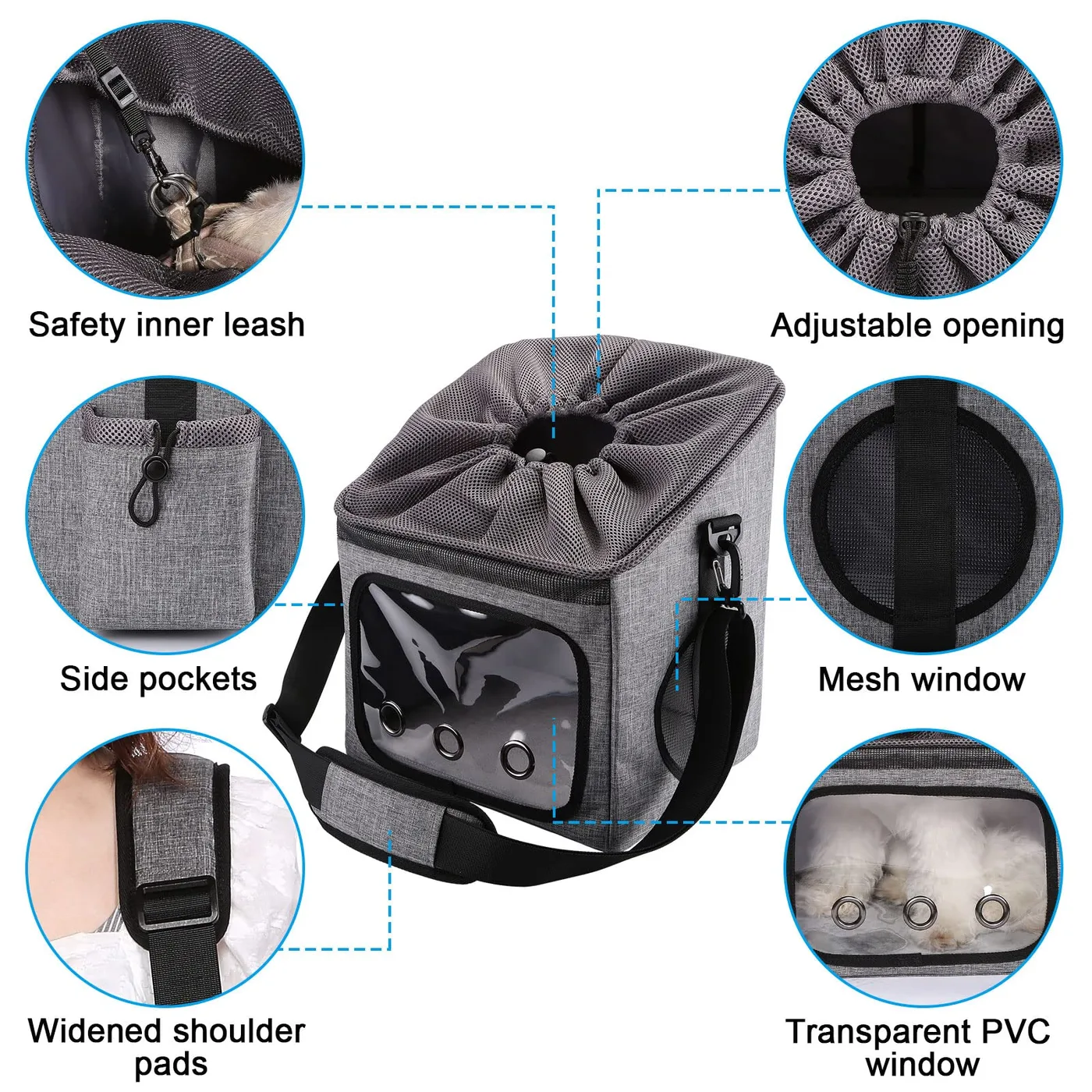
Fulfilment choice: self, third-party or hybrid
How orders reach customers shapes cost, speed and ability to scale, and the right answer changes as volume grows. Understanding each model's economics before committing prevents expensive migrations later.
Self-fulfilment suits early stages. Control is complete, presentation can be adjusted daily, and fixed cost is minimal. The trade-off is founder time, which quickly becomes the scarcest resource as order volumes rise.
Third-party logistics providers suit scaling. Per-unit picking and storage fees replace your labour, delivery networks improve speed, and capacity expands without hiring. The trade-offs are less control over presentation and ongoing per-unit cost that persists regardless of order value.
Hybrid arrangements are often optimal for growing ranges: fast-moving items held at a provider, slow or fragile items handled personally, with substitution prepared for either direction. Complexity rises, but so does flexibility.
Evaluate honestly using realistic order volumes rather than hopeful forecasts. Whichever model is chosen, ensure it can serve both parcels and wholesale cartons if retail accounts later join the mix.
International shipping deserves early consideration even if initially domestic. Wholesale enquiries frequently arrive earlier than expected, and packaging or carton configurations optimised purely for parcels sometimes prove incompatible with pallet requirements.
Returns handling deserves equal planning. Deciding where returned items go, how quickly they are inspected and who authorises resale prevents backlogs where perfectly saleable inventory sits undocumented and effectively worthless.
Finally, revisit fulfilment economics each quarter. Volume changes alter optimal arrangements continuously, and remaining with early decisions out of habit frequently costs more than switching once does.
Photography, sizing data and returns prevention
Returns undermine direct selling more than any other cost, and most originate from information gaps rather than product faults. Closing those gaps is cheaper than absorbing refunds indefinitely, so content deserves genuine investment early.
Sizing is the largest driver. Publish measurements taken from production units rather than drawings, show the article alongside an animal of stated dimensions, and explain how flexible components affect fit. Vague guidance converts browsing into guessing, and guessing into returns.
Photography standards matter similarly. Multiple angles, scale references, interior views and honest close-ups of hardware and lining all reduce uncertainty. Avoid effects that flatter beyond reality, since disappointed customers describe the gap rather than the product.
Usage imagery deserves particular attention. Showing the product loaded and in use answers questions customers may not have thought to ask, and substantially reduces unsuitable purchases.
Finally, analyse returns continuously. Where a refund reason recurs, edit the listing or adjust specification rather than accepting it as unavoidable cost of selling online.
Honest product limitations deserve stating rather than hiding. Articles that work beautifully for one situation and poorly for another generate far fewer complaints when limits are stated openly, even at some cost to apparent appeal.
Comparison guidance also helps. Explaining which variant suits which situation reduces unsuitable purchases considerably, converting browsers into confident buyers who then leave substantially better reviews.
Finally, review returns data by variant. Patterns frequently reveal that one colour or size drives disproportionate returns, permitting targeted specification correction rather than treating the whole range as problematic.

Lead time planning and managing pre-orders
Timing separates smooth launches from disappointing ones, because nearly everything that can delay a launch does so invisibly. Working backwards from a planned live date, with realistic buffers rather than optimistic assumptions, is the only reliable approach.
Sampling takes 6-10 working days from confirmed specification, and deserves allowance for at least one correction round. Adjustments after seeing a physical sample are normal, particularly for first ranges, and compressing this stage usually means approving something not quite right.
Bulk then requires 35-50 days after pre-production approval, sitting toward the longer end for new materials and tooling. Freight, clearance and inland delivery follow, each with its own variability, and none can be recovered if they were never planned.
Pre-orders can fund inventory but must be honest. Selling against stock still in production is legitimate when timelines are communicated accurately, and problematic when estimates were optimistic. Build disclosures around realistic dates rather than best-case ones.
Finally, keep the launch schedule independent of external deadlines where possible. Dates that slip relative to your own plan are inconvenient; dates that slip relative to a public commitment are damaging.
Production slot booking matters as volumes grow. Popular capacity fills months ahead, so suppliers receiving early forecasts can reserve space whereas late requests frequently queue behind whoever committed sooner.
Seasonal calendars also require planning around factory holidays. Several major production regions close for extended periods annually, and timelines ignoring those closures routinely slip by weeks through nobody's fault.
Finally, build buffer deliberately rather than hoping for absence. Allocating roughly ten percent schedule slack converts most potential crises into minor adjustments, costing far less than expedited shipping later.
Documentation and compliance for your own storefront
Selling direct does not reduce compliance obligations; it concentrates them. Without a retailer filtering requirements, responsibility for declarations, labelling and evidence sits entirely with you, and marketplaces increasingly demand documentation even for independent sites.
Start with a materials file. Obtain component-level declarations from your supplier covering fabric composition, coatings, hardware plating and fillings, retained with purchase records so questions can be answered quickly rather than investigated.
Arrange laboratory testing appropriate to your markets. Third-party testing through accredited providers verifies restricted substances and physical performance, and recognisable domestic standards such as those maintained by the ASTM give consistent reference for durability claims.
Labelling then needs care. Fibre content, country of origin, care instructions and any warnings must satisfy destination requirements, and errors discovered after import are expensive to remedy.
Finally, maintain the file actively. Reports expire, suppliers change, and platform verification requests arrive without warning, so calendar renewals rather than treating documentation as a one-time launch task.
Restricted substance obligations vary substantially between markets, so confirming requirements per destination prevents discovering afterwards that goods lawful in one region cannot be sold in another without reformulation.
Records retention deserves policy rather than habit. Retaining declarations, reports and purchase records for several years supports any future enquiry and protects you considerably when questions arrive long after launch.
Finally, verify rather than assume supplier documentation. Requesting evidence behind declarations frequently reveals gaps that would otherwise surface uncomfortably during platform verification or customs examination.
Substance requirements vary sharply across destinations, so confirming each market prevents discovering goods lawful in one region cannot legally sell in another without reformulation.
Record retention deserves policy rather than habit. Preserving declarations, reports and purchase records for several years supports future enquiries and protects considerably when questions arrive long after launch.
Finally, verify supplier documentation rather than accepting it. Requesting evidence behind declarations frequently reveals gaps that would otherwise surface uncomfortably during platform verification or customs examination.
Scaling from first drop to repeatable restocking
The transition from launch to sustainable operation is where most brands either mature or stall, and the difference is almost always supply discipline rather than marketing creativity. Successful ranges restock reliably; unreliable ones lose whatever momentum advertising purchased.
Establish reorder rules once early data arrives. Define which velocity justifies reordering, at what quantity, and how much cover is needed given a realistic full cycle. Written thresholds prevent hesitation during the weeks that matter.
Standardise components as ranges grow. Shared fabrics, common hardware and consistent platforms reduce complexity, improve buying power and make each subsequent launch faster than the previous one, while lowering the chance of quality surprises.
Review the range honestly each quarter. Colours that never sell should be retired rather than reordered sentimentally, and proven winners deserve component reservation or standing inventory instead of hopeful waiting.
Finally, invest in the relationship as volumes grow. Suppliers prioritise partners providing forecasts, honouring commitments and paying predictably, and that priority becomes most valuable exactly when capacity is tightest.
Forecast sharing earns priority more reliably than loyalty alone. Even approximate forward volumes allow better material planning, and suppliers receiving them typically respond with faster sampling and stronger capacity commitment during constrained periods.
Quality trend tracking deserves routine rather than reactive attention. Reviewing defect patterns quarterly reveals gradual drift that individual shipments conceal, allowing correction before problems become visible to customers.
Finally, revisit specification occasionally against customer feedback. Documented features nobody mentioned and unmentioned complaints and requests frequently indicate where modest change would improve satisfaction considerably.
Range rationalisation deserves courage periodically. Discontinuing variants that consistently underperform frees capital and attention for those performing well, and delaying that decision rarely improves eventual outcomes.
Supplier relationships benefit from transparency about difficulties. Early warning regarding quality or schedule matters enormously, and partners providing it receive considerably more support than those who conceal problems until unavoidable.
Finally, remember that consistency compounds quietly. Reliable specification, predictable timing and honest communication build commercial reputation that eventually matters more than any individual cost negotiation.
Order and quality terms
- MOQ 500 pieces per colourway; samples in 6-10 working days
- Bulk production 35-50 days after approval; AQL 2.5 inspection standard
- T/T 30/70 terms, FOB Xiamen, full document set per shipment
People Also Ask
Why does range size matter more than store design?
Because each variant commits inventory and cash irreversibly, whereas design decisions can be changed later. Range architecture determines whether you can respond once demand is known.
What is a shared construction platform?
One base of fabric, hardware and methods used across several variants, allowing smaller per-colour quantities while retaining bulk material buying power.
How does dimensional shipping affect packaging?
Carriers charge partly on parcel volume, so oversized presentation increases per-unit cost permanently. Design within shipping dimensions to protect margin.
What makes pre-orders risky?
Optimistic dates. Selling against stock still in production is legitimate when communicated realistically and damaging when based on best-case estimates.
Why do suppliers prioritise some brands?
Partners who forecast accurately, honour commitments and pay predictably receive priority when capacity is tight, which is precisely when it matters most.
Frequently Asked Questions
How many colourways should a first pet bag range have?
Two or three is usually right. Each colourway carries MOQ 500 units and the cash behind them, so limiting breadth preserves working capital for reordering whatever actually sells.
What are standard payment terms for a first order?
Our arrangements are T/T 30/70: thirty percent at confirmation and seventy against shipping documents. Budget also for tooling, testing, freight and duty, which arrive separately from unit cost.
How long does the first production cycle take?
Samples take 6-10 working days and bulk takes 35-50 days after pre-production approval, plus freight and clearance. Allow at least one sample correction round for a first range.
What inspection standard applies before shipping?
Lots are released against AQL 2.5 statistical inspection with measurement records and photographic evidence, providing objective ground for resolving any later dispute.
Should I fulfil orders myself or use a third party?
Self-fulfilment suits early volumes because control and flexibility outweigh cost. Third-party providers suit scaling once founder time becomes the constraint.
Why do bulky presentation boxes cost so much to ship?
Carriers price on volumetric weight, so volume can dominate shipping cost regardless of mass. Design packaging within shipping dimensions rather than around them.
Do I need compliance documentation for my own store?
Yes. Obligations sit with the seller regardless of channel, and advertising platforms increasingly request conformity evidence before approving product listings.
How much cash should be kept above the first order?
Enough to reorder proven variants quickly. Founders frequently commit everything to launch stock and can then only watch while the colours in demand sell out.
Are pre-orders acceptable when inventory is still in production?
Yes when dates are communicated honestly. Build disclosures around realistic lead times rather than best-case estimates to avoid disappointing early customers.
What causes the most returns in direct selling?
Sizing uncertainty. Publishing production-measured dimensions, honest fit ranges and imagery showing the product in use substantially reduces avoidable refunds.
Should all sizes launch simultaneously?
Usually yes, because size bands share one platform and sharing preserves material buying power. Launching sizes separately fragments quantities and raises per-unit cost.
When should I reserve components for restocking?
Once data identifies clear winners. Reserved fabric, hardware and printed packaging shorten reorder response considerably during periods of unexpected demand.
Talk to QUANZHOU JUNYUAN BAGS about a wholesale pet bag order: MOQ 500 pieces per colourway, samples in 6-10 working days, bulk production in 35-50 days under AQL 2.5 inspection.
Get a free quote Request a sample