Pet Bath Bag: Wholesale Bath-Time Kit Buying Guide
A wholesale pet bath bag should carry 6-12 bath-time items in a 10-18 liter wipe-clean format, with separate dry and damp zones and a target price of USD 7.00-18.00 FOB Xiamen at MOQ 500. Buyers should prioritize drainage, bottle stability, and washable modules over decorative compartments.
Bath bags sit between a grooming organizer and a wet-item container, but their procurement logic is distinct. They must move clean products into a wet area, remain stable beside tubs or wash stations, and carry damp textiles out without contaminating dry tools. Retail programs need simple education and attractive storage; self-wash chains and mobile services need faster access, stronger handles, and replaceable wet modules. The exact bottle and towel inventory should define every dimension.
Standard commercial terms are MOQ 500 pieces or completed sets per colorway, samples 6-10 working days from a frozen inventory map, bulk 35-50 days after signed approval, and final inspection at AQL 2.5. Payment is T/T 30/70 with FOB Xiamen quotation. Our production team develops the bag and textile modules through an SGS-verified production base, coordinating documented accessories with partner facilities where required. Buyers should avoid unsupported antimicrobial, leakproof, or universal pet-care claims. A commercially strong bath-time program is easy to carry, keeps bottles upright, separates damp items, fits the channel's storage space, and can be inspected using objective dimensions, material evidence, and water-management tests.
Wholesale waterproof pet bags and wholesale 600d pet carrier lines are quoted against coating weight rather than against fabric name, and Pet Bag Types & Styles specs have to say which test method applies. Wholesale durable pet carriers then hold their price because the failure cost - a returned unit - is far higher than the coating premium.
Define the Bathing Channel and User Routine
A home-care retail kit, self-wash station bag, mobile groomer's bath organizer, and hotel pet-amenity pack encounter different volumes and handling patterns. Home users may store the kit in a cupboard and carry it a few meters. Self-wash customers transport it through parking areas and place it on wet benches. Mobile professionals need quick setup and repeat use across appointments. Channel definition should precede styling.
Map the routine from storage to wash area and back. List what enters dry, what is handled with wet hands, what can spill, and what leaves damp. This reveals access priorities and shows whether the buyer needs one bag, a removable shower caddy, or a dry tote plus separate wet pouch. A large undivided basket may look convenient but allows shampoo bottles to tip into towels and makes post-use cleaning difficult.
Retail programs commonly organize shampoo supplied by the owner, conditioner, brush, absorbent towel, cleaning cloth, and small accessories. The wholesale set should usually avoid liquids because formulations, leakage, shelf life, and cosmetic regulations vary by market. Empty labeled positions create a guided experience without importing those obligations. Textile items can be included when their performance and colorfastness are documented.
Space constraints matter. Apartment and salon buyers need a narrow footprint that fits shelf or locker dimensions. A car-based mobile service needs a rectangular bag that will not roll. A shower caddy may need a hanging option, but hooks and loops must be positioned so water drains away from dry pockets.
Buyers should approve a written routine with the sample. It becomes the basis for pocket order, package diagrams, photography, and inspection.
A bath bag is correctly specified only when its layout follows the movement of dry supplies into the wash zone and damp items back out.
Separate Dry Supplies, Bottles and Damp Textiles
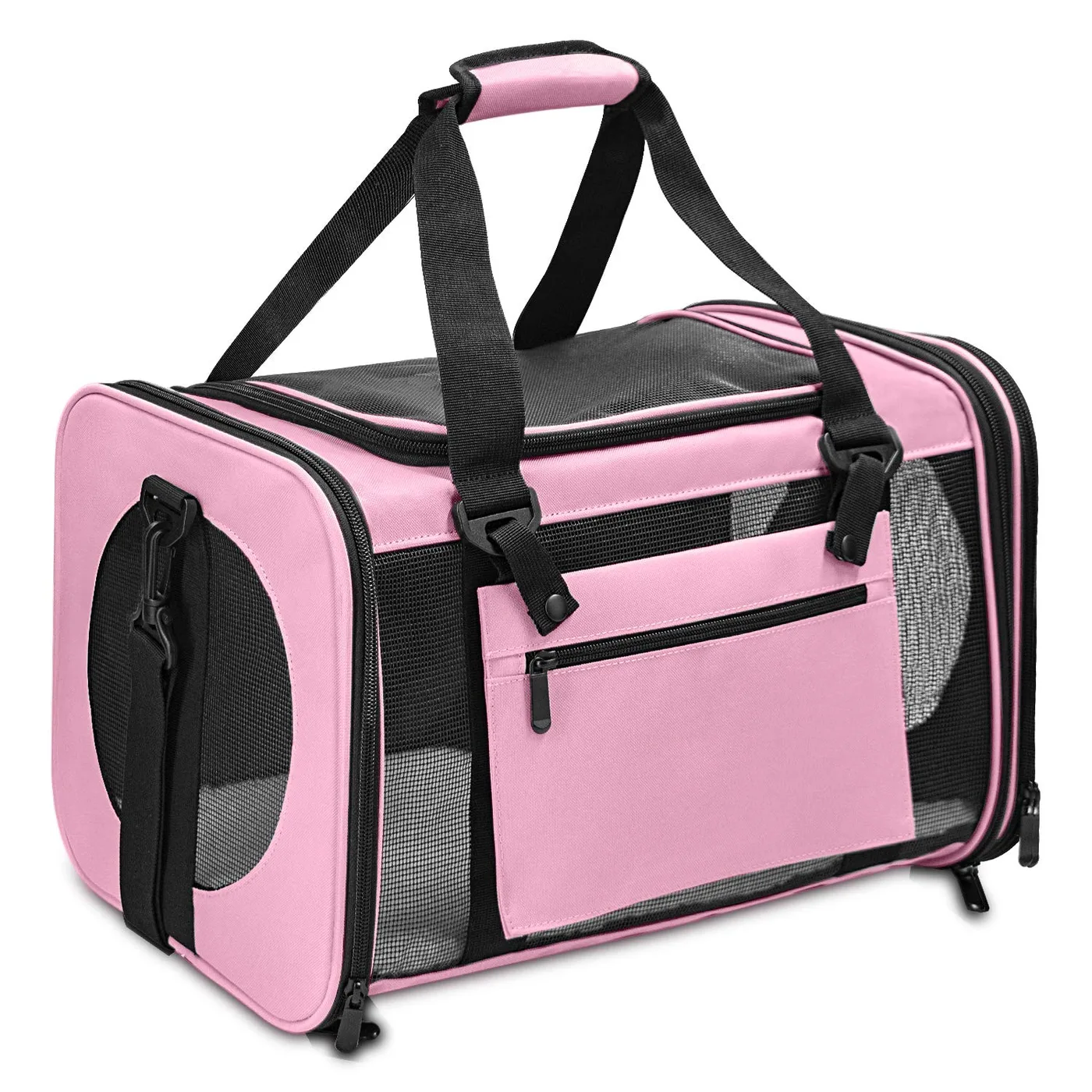
Three-zone organization is a useful starting point. The dry zone protects clean towels, brushes, and documentation. The bottle zone keeps containers upright and contains minor seepage. The damp zone removes used cloths or towels after bathing. Combining these flows creates most of the complaints associated with bath-time bags.
Bottle pockets require measured diameter and height. Common programs use four to six loops or dividers accepting containers from approximately 45 to 80 mm in diameter, but the buyer's actual inventory should control. Elastic should hold partly filled bottles without collapsing them, and tall containers need a compression strap or closed transport position. A removable coated tray beneath this zone makes spills visible and cleanable.
Dry storage should close independently. A light interior helps users locate grooming pieces, while a splash-resistant zipper and raised pocket position protect contents from wet surfaces. Do not promise a dry zone if water can run directly through the main opening or seams. The purchase specification should state the exposure test and permitted ingress.
The damp module can be a coated roll-top pouch, zipped wet pocket, or removable drawcord bag. It should be sized around one or two actual towels rather than a theoretical liter figure. A removable unit is easier to empty and allows the main bag to remain in use while the wet component dries. Ventilation may reduce trapped moisture during short transport, but it does not replace prompt emptying and care.
| Zone | Typical contents | Preferred feature | Failure to prevent |
|---|---|---|---|
| Dry | Clean towel and brush | Raised closed pocket | Splash transfer |
| Bottle | Owner-supplied liquids | Upright dividers and tray | Tip and leakage |
| Damp | Used towel or cloth | Removable coated pouch | Cross-contact |
| Small tools | Comb and clips | Zipped visible pocket | Loss |
| External | Quick-use items | Drainable open sleeve | Pooled water |
Bath-time organization works when water exposure is contained by zone rather than spread across one wipe-clean lining.
Specify Drainage and Water Resistance Honestly
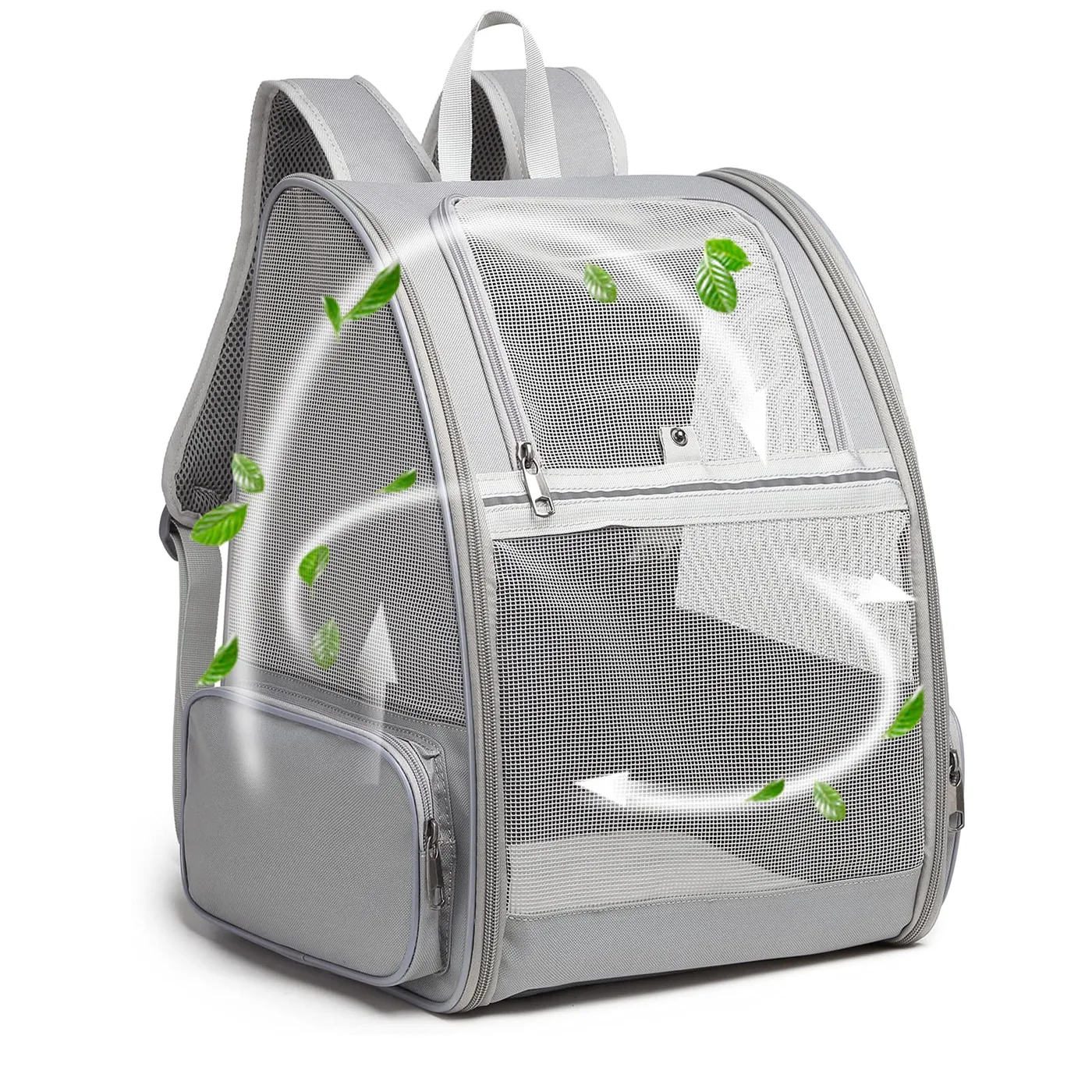
The terms waterproof, water resistant, drainable, and washable describe different product behaviors. A mesh caddy drains quickly but does not protect dry supplies. A coated tote resists splashes but may collect water. A sealed wet pouch contains damp items but can trap moisture. Buyers should select the combination that matches the routine and use precise claims.
For a mixed wet-and-dry bath bag, a coated shell, reinforced water-resistant base, drainable external pockets, and removable sealed module offer balanced performance. The main body can remain structured while exposed components dry separately. Drain holes need reinforced edges and placement that does not release water onto the user during carrying. Mesh panels should resist snagging from comb teeth and brush pins.
Waterproof claims should be supported by a complete-article method that defines water pressure or exposure, duration, bag orientation, and acceptable ingress. Coated fabric alone is insufficient because stitch holes, zipper tracks, bound seams, and attachment points remain vulnerable. If immersion is not required, do not pay for roll-top construction and seam sealing across every panel.
Cleaning claims also need limits. Wipe-clean materials are not automatically machine washable. Removable pouches may use a separate care label. Before approving instructions, test coating adhesion, color transfer, print durability, zipper operation, and dimensional change under the stated process. Avoid antimicrobial wording unless an approved treatment and substantiated claim apply to the production material.
For retail communication, describe the architecture instead of using an absolute claim: coated splash-resistant body, removable wet pouch, drainable side sleeves, or protected dry pocket. These phrases tell the buyer what the product does and are easier to verify.
Accurate water-management language reduces returns because it connects each construction feature to a defined exposure rather than a broad promise.
Choose Materials That Survive Wet-Area Handling
Bath bags encounter moisture, diluted product residue, hair, tiled surfaces, vehicle storage, and frequent wiping. A coated 600D polyester shell offers a practical combination of cost, printability, and abrasion resistance. More intensive service programs can use 900D polyester, reinforced base panels, or high-tenacity nylon. Open mesh is useful in drain zones, while a smooth coated lining is better around bottles.
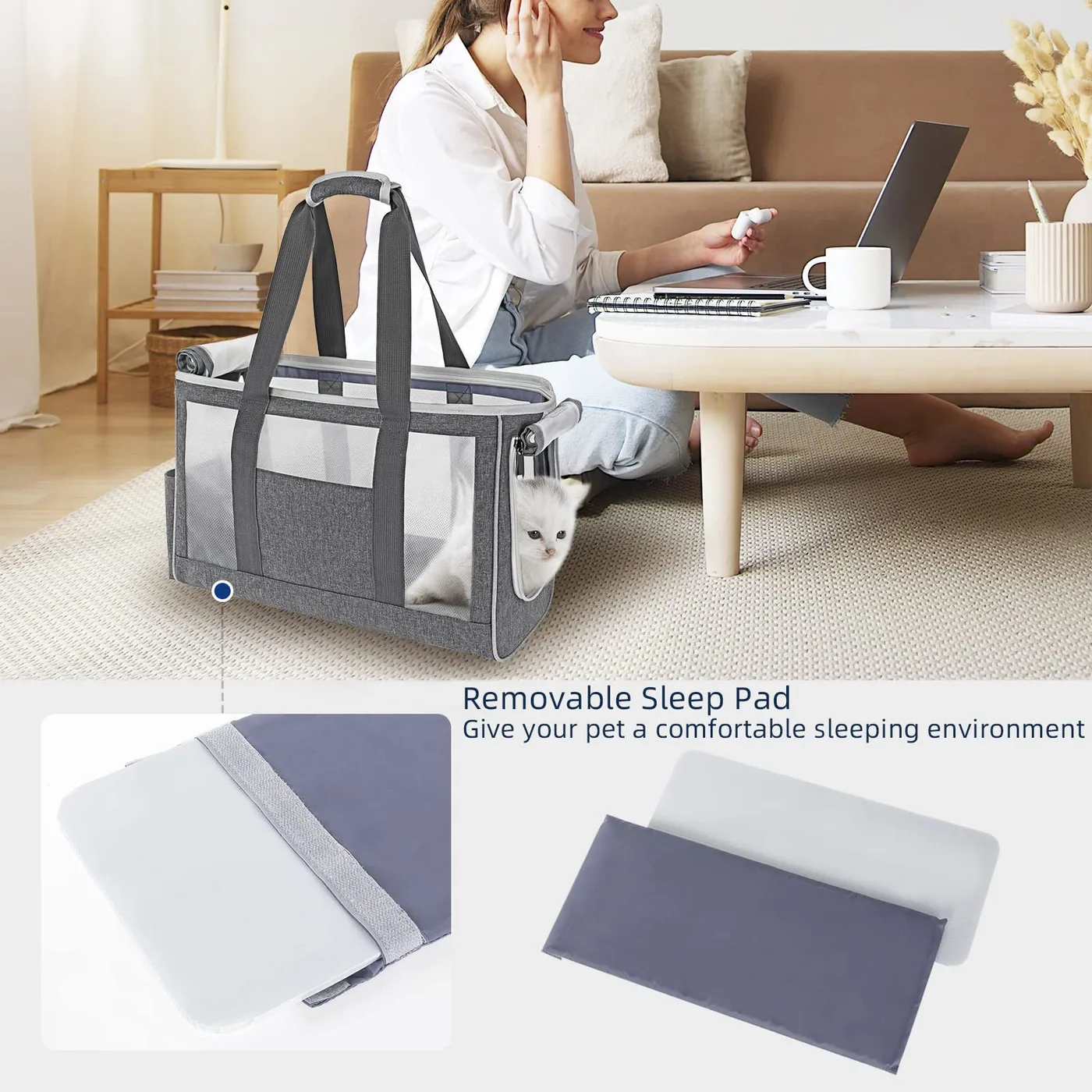
The base deserves a separate specification. A removable PE or PP board improves standing stability, but an exposed fiberboard insert is unsuitable for repeated wet use. A molded or fully encased board costs more and is easier to wipe. External feet can raise the bag from wet floors, although they should be low profile so they do not create packing damage or instability.
Zippers should have teeth large enough to tolerate hair and routine debris. Extended pull tabs help wet hands. Corrosion-resistant metal or documented plastic hardware should be selected for the exposure level. Standard plated fittings can discolor after repeated moisture. Test shoulder hooks, rings, and zipper pullers after a damp-conditioning cycle if professional use is claimed.
Color strategy affects maintenance perception. Mid-tone gray, teal, navy, and muted green hide routine marks better than white or very dark glossy coatings. High-contrast interior modules improve inventory visibility. Physical swatches must be reviewed after wet rubbing because dye transfer from a saturated towel can damage pale lining and customer clothing.
Textile test methods are available through the American Association of Textile Chemists and Colorists. Chemical obligations for EU programs can be researched through the European Chemicals Agency. Buyers must specify destination, claims, and retailer protocols before production.
Wet-area durability comes from a protected base, stable coating, suitable hardware, and verified colorfastness working as one material system.
Build Retail Kits Without Importing Liquid Risk
A bath-time kit can create strong shelf value without including shampoo or other formulations. The bag may contain a microfiber drying towel, wash mitt, absorbent cloth, empty bottle labels, brush pouch, and removable wet module. This durable-goods approach extends shelf life, simplifies transport, and lets retailers sell preferred liquids separately.
If a buyer wants included liquids, they need a dedicated sourcing and compliance path covering formulation, safety assessment, packaging compatibility, leakage, batch coding, expiration or period-after-opening information, market labels, and transport. Those obligations should not be hidden inside a bag quotation. The production team can size the organizer around approved bottles, but product responsibility must remain clear.
Towels and mitts need measurable performance. Specify dimensions, fabric weight, composition, edge finish, absorbency expectation, colorfastness, and wash care. Very plush towels increase perceived value but occupy significant cube. A moderate-weight microfiber can dry quickly and pack efficiently. Brush or comb components need individual material, edge, and durability criteria from a qualified partner facility.
Packaging should show supplied versus illustrative contents. A belly band around the filled bag keeps cube low, while a folding carton adds education space for retail. Window boxes expose color but can weaken stack strength and add plastic. Online programs need protective containment around any hard accessory so it does not abrade the shell during parcel handling.
Create good-better-best tiers through towel size, removable modules, shell structure, and package presentation rather than by adding anonymous fillers. An empty bag SKU can sit below the complete textile set and gives professional users flexibility.
A bath kit protects margin and trust when durable accessories are bundled transparently and liquid products remain under a separate qualified supply program.
Compare Cost Drivers and Landed-Price Tradeoffs
An entry bath organizer with basic bottle pockets and a coated base usually costs USD 7.00-10.00 FOB Xiamen at 500 pieces. A mid-tier 12-16 liter bag with structured panels, removable wet pouch, bottle tray, shoulder strap, and retail sleeve commonly costs USD 10.50-18.00. Professional formats with reinforced shell, replaceable modules, corrosion-resistant hardware, and larger working loads can reach USD 18.00-27.00 before bundled tools.
Cost should be split into shell, structure, internal organization, wet module, hardware, decoration, textile accessories, packaging, testing allowance, and kitting. A sealed removable pouch and molded tray may contribute more to performance than a large printed panel. They should remain visible as separate lines during negotiation.
Packing cube is a major tradeoff. Rigid walls, molded bases, bottles shown in bundles, and plush towels reduce container and parcel efficiency. Request unit packed dimensions, carton quantity, carton gross weight, and container estimate. A bag that costs USD 0.80 less FOB may still have a higher landed cost if it ships fewer units per cubic meter.
Value engineering can use a folding base, common lining, stock webbing, tested plastic hardware, simplified external pockets, or a belly band instead of a display box. Do not remove dry-wet separation, weaken handle anchors, or make bottle loops too shallow. Those changes affect the core use case and return rate.
Ask for price breaks at 500, 1,500, and 3,000 pieces using identical specifications. Compare them with a simplified opening-order design. A narrower assortment at 500 can preserve cash better than a small unit saving tied to excess inventory across colors.
The correct bath-bag target balances wet-zone performance with packed volume; FOB price alone cannot reveal that balance.
Plan MOQ, Samples and Seasonal Sell-In
MOQ is 500 pieces per colorway for a standard bath-bag platform. Included towels, special coated colors, molded trays, printed boxes, or brushes can have separate minimums. The buyer should receive a component dependency schedule and decide how excess accessories will support reorders or replacement stock.
The first sample should use the target bottle and towel inventory, even if liquids are not supplied. Load the bag, carry it to a wet surface, access each zone with damp hands, remove the wet module, and repack it. Resolve dimensions and balance before approving exact color. A later sample confirms production materials, logo, labels, and packaging.
Samples take 6-10 working days after the inventory map and specification are frozen. Bulk production takes 35-50 days after final approval and deposit. Additional time may be required for chemical evidence, colorfastness, water tests, third-party inspection, export booking, and transit. Summer promotions and grooming-season resets should work backward from warehouse arrival, not from the factory completion date.
Keep the standard commercial comparison at T/T 30/70 and FOB Xiamen. Consolidating bath bags with adjacent wet-item products can improve container use and material purchasing, but each SKU still needs clear identification and its own water-performance claims. The production network has capacity for combined programs through 7 lines and 149 equipment units; approval timing and special components usually remain the critical path.
Reorder decisions should happen while sufficient weeks of stock remain. Stable shell and module codes can reduce sampling on repeat orders, but a changed bottle diameter or care claim requires renewed review.
Before bulk booking, run a pilot pack using production-intent towels, modules, and cartons. Confirm that the bag recovers after compression, the wet pouch is not sharply folded across sealed areas, and hard accessories cannot mark the shell. Record final unit dimensions after packing rather than relying on the empty sample.
Retail artwork and content should be locked to the same pilot. If the towel size, bottle count, or module changes, update photography, component inventory, carton weight, and inspection sheet together. Small assortment changes can alter both customer expectations and shipping economics.
Bath-bag schedules stay predictable when the buyer freezes real container dimensions and water claims before color and campaign artwork.
Inspect With Water Exposure and a Packed Load
Inspection should reproduce the bath bag's actual stress profile. Incoming control verifies shell, coating, lining, base material, mesh, zippers, hardware, elastic, wet-pouch film, towel fabric, and printed labels. Documents must correspond to the production lot and exact color. Any accessory supplied by a partner facility needs its own approved sample and code.
In-process checks measure bottle pockets, divider positions, dry-pocket height, wet-module dimensions, handle reinforcement, drainage openings, and base insertion. Inspect sealed seams or coatings under the defined local seepage test. Confirm that drain holes are open and reinforced. Test zippers with the bag loaded so pockets and folded lining do not obstruct them.
Final inspection at AQL 2.5 selects sealed units from across cartons. Fill bottle positions with approved fixtures, add towel volume, load the bag to its working weight, and carry it by each handle and strap. Apply the specified splash or water exposure, then check the protected zone and external drying behavior. Count bundled pieces, scan barcodes, confirm care labels, and compare packing to the signed standard.
Critical defects include sharp hazards and structural failure. Major defects include leaking containment beyond tolerance, failed handles, incorrect pocket sizes, missing accessories, blocked drainage, broken closures, severe dye transfer, wrong care instructions, and unreadable barcodes. Minor cosmetic marks should be classified consistently rather than used to distract from function.
Recognized material and packaging methods can be selected from ASTM International, and independent inspection can be arranged through SGS.
Inspection fixtures should remain with the specification for reorders. These can include empty bottles at maximum diameter, a measured towel pack, weights, a dry blotting sheet, and photographs showing correct test orientation. Using the same fixtures in sample approval, line control, and final inspection reduces argument about whether a later result is comparable.
After testing, inspect hidden surfaces rather than only the visible shell. Remove the base board or tray, open the wet module, and check attachment points for trapped moisture, whitening, delamination, or dye transfer. Record both immediate observations and the condition after the sample dries. Some coating and adhesive failures appear only after moisture remains in contact for several hours.
Carton inspection should confirm that damp-test samples are excluded from sale and that all production units are dry before individual packing. Residual manufacturing moisture can create odor during long ocean transit even when the product construction is acceptable.
A bath bag should be accepted wet and loaded, because empty dry-table inspection cannot reveal its commercial failure modes.
Create Reorderable Bath and Wet-Care Modules
A productive range begins with one compact retail bag and one larger service format, not a wide spread of colors and capacities. Both can share shell fabric, zipper specification, color standards, and selected modules. Concentrated purchasing improves shade consistency and makes replacement inventory practical.
Code the wet pouch, bottle tray, towel, shoulder strap, and divider separately. Retailers can replace or upgrade a module without discarding the full bag. Professional accounts can order additional wet pouches for rotation between appointments. A standardized attachment pattern enables this flexibility, but each revision needs fit confirmation.
Track performance by function. Leakage, poor bottle fit, insufficient towel volume, base instability, zipper contamination, strap discomfort, and misleading water claims require different corrective actions. Sales data should also separate empty organizers from complete textile kits so the buyer knows whether customers value the bag architecture or the bundled presentation.
Reorder timing needs the 35-50 day production window plus destination transport. Keep approved bottle gauges, towel dimensions, signed samples, care instructions, and water-test methods with the specification. If a coating or wet-pouch material changes, review its documentation and repeat relevant tests before release.
Range extensions should remain task specific. A pet grooming bag organizes tools across dry and mobile work, while a pet wet bag focuses on isolating used items. A pet dry bag prioritizes stronger weather protection. Shared materials are efficient only when claims remain distinct.
Build the order matrix so modules can be forecast independently. A retailer may reorder complete bath kits, while a grooming chain may buy only shells and several wet pouches per location. Show MOQ, unit price, lead time, pack count, and compatibility revision for each module. This prevents a low-value spare from being forced into the same 500-piece color commitment as the main bag when stock materials are available.
Use launch feedback to refine wet-zone geometry. Record which bottle diameters fit, how many towels users actually carry, whether water reaches the dry pocket, and which parts are hardest to clean. Photographs from controlled trials are more useful than general requests for a bigger compartment. Feed approved changes into drawings and inspection gauges.
Channel training should preserve product boundaries. A bath bag can organize owner-selected liquids and isolate damp textiles, but it does not make those liquids suitable for every animal or guarantee sanitation. Retail copy, staff scripts, and replacement packaging should use the same evidence-based terms.
A bath-care assortment scales through interchangeable wet modules and controlled test methods, not through vague reuse of the word waterproof.
Why brands source here
- Pet bag programmes run since 2014; founding team in sewn goods since 2004
- SGS-verified production floor of 4,950 m² with 137 workers across 7 lines
- Monthly capacity of 200,000 units, audited to BSCI and ISO 9001
People Also Ask
What should a pet bath bag include?
A practical layout includes upright bottle storage, a protected dry pocket, clean towel volume, small-tool containment, and a removable damp-item pouch.
How much does a wholesale pet bath bag cost?
Entry organizers cost about USD 7.00-10.00 FOB Xiamen, mid-tier modular bags USD 10.50-18.00, and professional formats USD 18.00-27.00.
Are pet bath bags waterproof?
Most are water resistant, with coated shells and localized containment. Full waterproof claims require complete-article testing under a defined method.
What size pet bath organizer is practical?
Retail and mobile programs commonly use 10-18 liters, but exact capacity should follow measured bottles, towels, and accessories.
Which material is best for a bath-time bag?
Coated 600D polyester is a strong baseline, with 900D or reinforced panels for intensive service use and smooth coated materials in wet zones.
Why does a bath bag need separate wet storage?
It keeps damp towels away from clean tools and owner-supplied liquids while allowing the wet module to be emptied and dried separately.
Frequently Asked Questions
What is the MOQ for a wholesale pet bath bag?
The standard MOQ is 500 pieces per colorway. Special wet-pouch materials, trays, towels, or printed packaging may have separate minimums.
How long does bath bag sampling take?
Samples take 6-10 working days after bottle dimensions, towel volume, compartment layout, materials, and artwork are approved.
What is the bulk lead time?
Bulk production takes 35-50 days after sample approval and deposit, excluding tests, inspection, booking, and destination transport.
Can shampoo be included in the kit?
It can only be added through a qualified, market-specific cosmetics supply program covering formulation, labels, leakage, batch records, and shelf life.
Can the wet pouch be removed?
Yes. A removable pouch simplifies cleaning, drying, replacement, and rotation for professional users.
What payment terms apply?
Standard terms are T/T 30/70 with FOB Xiamen pricing. Compare other Incoterms using the same product, test, and packing scope.
Can the main bag be machine washed?
Only if the approved material system and structure pass the stated wash method. Many structured coated bags are wipe clean while removable modules have separate care.
How are bottle pockets approved?
They are measured and tested with the intended container diameter, height, cap profile, and filled weight.
Can towels carry a separate logo?
Yes. Decoration, colorfastness, fabric weight, dimensions, edge finish, and care label should be approved as a separate component.
How is drainage checked?
Inspect opening location and reinforcement, apply the defined water volume, and verify that water exits without pooling in protected zones.
Can multiple sizes ship together?
Yes, if each size and color meets its MOQ and uses distinct barcodes, carton marks, specifications, and packing counts.
What does AQL 2.5 inspection cover?
It covers dimensions, materials, closures, water controls, packed load, component count, care labels, barcode, presentation, and master cartons.
Talk to QUANZHOU JUNYUAN BAGS about a wholesale pet bag order: MOQ 500 pieces per colourway, samples in 6-10 working days, bulk production in 35-50 days under AQL 2.5 inspection.
Get a free quote Request a sample