Pet Blind Dog Bag: Visual Impaired
Source a wholesale pet blind dog bag around one fixed interior geometry, three repeatable touch landmarks and a floor that stays flat under rated load; planning opens at MOQ 500 pieces per colorway and typical pricing lands at USD 7.40-14.80 FOB. This matters because a visually impaired animal maps its space by contact, so a unit whose mat migrates, whose base curls or whose landmark relief washes flat becomes a different product from the approved sample no matter how well it photographs.
This segment rewards precision rather than decoration. Builds fail commercially when the replacement item feels different from the one the customer already accepted, so independent policy should begin with a geometry standard, not a colour palette. Name the three contact surfaces, assign tolerances to each, and request photographic evidence of relief retention after the wash cycle printed on the care label. Order planning opens at MOQ 500 pieces per colorway, prototype work takes 6-10 working days once the enquiry and reference items are complete, and volume production runs 35-50 days after the physical unit is signed off. Release inspection sits at AQL 2.5 with defects classified by consequence. Payment is T/T 30/70 against copy documents on an FOB Xiamen basis. Our production team coordinates cutting and finishing through an SGS-verified production base and partner facilities that hold BSCI and ISO 9001 documentation. Lock base density, mat registration and edge finishing before approving artwork, then let landing percentages, listings and the vessel booking follow on the strength of those frozen items.
Wholesale nylon pet carrier and wholesale polyester pet carrier lines differ mainly in abrasion behaviour, which Pet Bag Types & Styles should record as a cycle count instead of a fabric name. Wholesale eco friendly pet carrier programmes add a certificate cost that is small per unit but fixed per colourway.
Where Tactile Wayfinding Enters the Wholesale Brief
Most claims in this segment do not start with a broken seam. They start with inconsistency: the replacement unit has a slightly softer floor, the mat travels two centimetres further forward than the one the customer remembers, and an animal that navigates by contact rather than sight decides the space is unfamiliar. For the importer that becomes a return, a negative review and an awkward conversation with the channel buyer about chargebacks.
The commercial answer is a written geometry standard agreed before artwork starts. Name the three surfaces the animal actually reads with its body: the standing floor, the entry threshold, and the pair of rear corners where most dogs settle. Everything else sits downstream of those three. Colourway, branding and pocket count are merchandising variables; they can change season to season. The tactile map cannot, or the product stops being the item that was approved.
Descriptive language is the enemy here. Phrases such as supportive base or gentle interior cannot be measured, so they evaporate the first time someone asks for a cheaper quote, and nobody notices because nothing in the documents said the base had to do a job. Convert each one into a number instead: permitted floor deflection under rated load, maximum mat migration after repeated loading, retained corner height after laundering, zone distinction measurable by fingertip.
Channels value these numbers differently. Veterinary-adjacent resellers and mobility-equipment distributors accept a higher unit price because they absorb customer complaints themselves and prefer predictability over novelty. Marketplace sellers compete on headline price and can live with a simpler board-and-mat floor provided every carton behaves identically. Deciding in advance which tier each colourway serves prevents merchandising from requesting specialist geometry at an entry-level quotation.
Expect finished cost to settle between USD 7.40 and 14.80 FOB. Almost the whole spread comes from base architecture and floor finishing; printed decoration moves the needle very little. A negotiation that cuts the unit by fifteen percent without touching those two lines will almost certainly return a softer board, and the accessibility story disappears with it.
Specification clause: Put tactile behaviour in the same controlled table as dimensions and working load, with named tests, tolerances and owners. Any later substitution of board, mat or surface coating triggers a fresh first-article check before new components reach the cutting table.Mapping a Fixed Interior Geometry
Begin with the animal rather than the pattern. A dog that cannot see learns the compartment as a sequence: front paws meet the threshold, the chest crosses a known gap, the body rotates into a chosen corner. Interior dimensions should therefore be recorded in the loaded state, not on a flat table, because a soft shell changes shape the moment it is lifted by two handles.
Practical measurement points are finished internal length and width at floor level, usable height at the centre and at the two rear corners, and sag measured thirty seconds after a weighted form is lowered in. Record them three times on three separate units from the same build. Variation between units is itself a result: wide scatter means operator-dependent assembly, which no inspector can fully control later.
Weight bands should drive the size split. A compact shell rated to about eight kilograms covers the small breeds most often presented to rehabilitation suppliers; a mid shell rated to about fifteen kilograms serves mixed-breed rescue channels. Overlapping bands create purchasing confusion and inflate inventory, intermediate half-sizes rarely repay their own cost once photography, storage and listing maintenance are counted.
Two further construction details deserve early attention. The removable floor panel should register into a sewn channel rather than floating loose inside the shell, so it cannot creep during transport. Side walls need a defined minimum return height where they meet the floor; below roughly forty millimetres many animals hesitate because the gap feels like an edge rather than a wall.
Side-access layouts generally outperform top-only loading in this segment. A top opening obliges the handler to lift the animal over a wall it cannot see, which increases startle reactions and makes entries longer. A low front or side door roughly matched to chest height changes the action into a step-in, which handlers repeat consistently and which inspectors can verify by measuring opening height.
Geometry rule: Internal dimensions are only meaningful if measured loaded, replicated across three units, and recorded with the golden sample for later comparison during pre-shipment checks.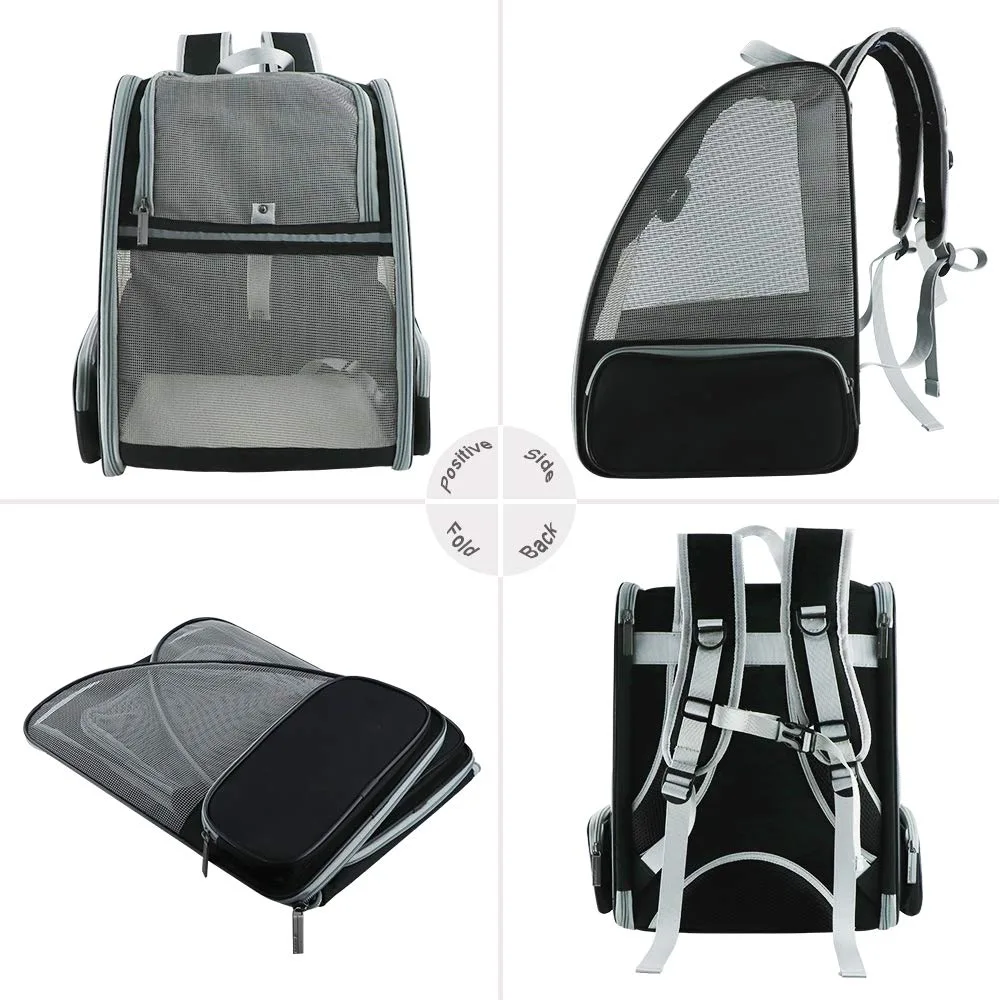
Three Landmarks Every Unit Must Repeat
Landmarks are the tactile equivalent of signage. Pick three and freeze them: a raised threshold at the entry, a pair of nodes at the rear corners, and a texture change on the standing floor. Together they tell the occupant where it is, which way it faces and where it normally settles. Adding a fourth often costs more than it returns, because the additional node is usually too subtle to be reliable after a few cleaning cycles.
Placement should be described to the millimetre from fixed seams, never from centre lines that drift during assembly. A rear node placed forty millimetres from the back corner seam survives operator variation; one placed at the rear third of a flexible panel does not. The same discipline applies to any printed or stitched markers used as a front-versus-back cue.
Height matters more than area. A low, wide pattern distributed across the mat reads poorly compared with a relief of one to three millimetres that the paw pad registers immediately. Buyers should specify relief height and retained height after washing, not simply say textured floor. Suppliers can hit an unspecified request with almost any printed dot array, which then disappears after the customer does the first home wash.
Colour contrast should be treated as an owner-facing convenience rather than part of the animal interface. A dark binding against a lighter shell helps the handler align the panel correctly after cleaning and gives inspectors an obvious off-position check. It is a cheap addition, usually under twenty cents, and it reduces assembly mistakes that no functional test would catch.
Finally, decide breakage behaviour. A moulded node bonded to the floor is durable but adds tooling and raises the replacement risk if the warehouse loses a component. A stitched ridge using the existing shell fabric costs less, needs no new tooling, and can be repaired at line level. For most first-season programs the stitched route is the rational choice; moulded hardware belongs in established lines with confirmed reorder volume.
Landmark rule: Three fixed cues measured from structural seams, specified by relief height rather than pattern area, survive operators, laundering and the second production run alike.Selecting Tactile Markers That Survive Cleaning
The most expensive specification error in this category is approving a marker that performs beautifully on day one and vanishes by week four. Buyers should ask every candidate how much relief it retains after the number of washes printed on the care label, then require photographic evidence at day zero and at trial end. Two photographs taken from the same angle are enough to expose the difference between a genuine relief and a decorative print.
Silicone dot prints are the cheapest option and sit almost flush with the mat. They work for lightweight covers that owners wipe rather than machine-wash, but they flatten quickly under abrasion from claws. Stitched or folded ridges built from shell fabric cost more per unit and add a little sewing time, yet they retain height far longer and need no additional supplier.
Moulded nodes in thermoplastic polyurethane survive aggressive cleaning and suit clinic or rental channels where units are sanitised weekly. They do introduce a second component with its own minimum purchase, a distinct colour-matching risk and a lead-time dependency. Ask the supplier to quote the node separately so the true cost of the upgrade is visible rather than hidden inside a blended price.
Adhesion quality deserves explicit treatment. Bonded elements must pass a peel check after conditioning, and any heat-transfer print should be tested on the actual coated fabric rather than an uncoated swatch, because finishes behave differently under the press. Request the wash cycle count, temperature and drying method used in the test; a report that omits those three items cannot be compared with another.
The table below summarises the four families most often quoted for this segment. Use it as a starting point for cost discussions, then adjust for your own channel cleaning expectations rather than treating any band as universal.
| Marker family | Standard placement | Relief above floor | Cleaning endurance | Added unit cost | Channel fit |
|---|---|---|---|---|---|
| Silicone dot print | Standing mat surface | Zero point four to zero point eight millimetres | Twenty to thirty gentle washes | USD 0.10-0.25 | Marketplace entry tier |
| Stitched fabric ridge | Entry threshold lip | Three to five millimetres folded | Forty washes or more | USD 0.30-0.55 | Specialty and clinic resale |
| Moulded node | Rear corner pair | Two to four millimetres dome | Fifty cycles, wipe and machine | USD 0.55-0.95 | Rehabilitation distributors |
| Contrast binding plus texture | Full perimeter wall joint | One to two millimetres piping | Thirty to forty washes | USD 0.40-0.70 | Pet chain mid tier |
Keeping Pullers, Webbing and Tags Out of the Search Path
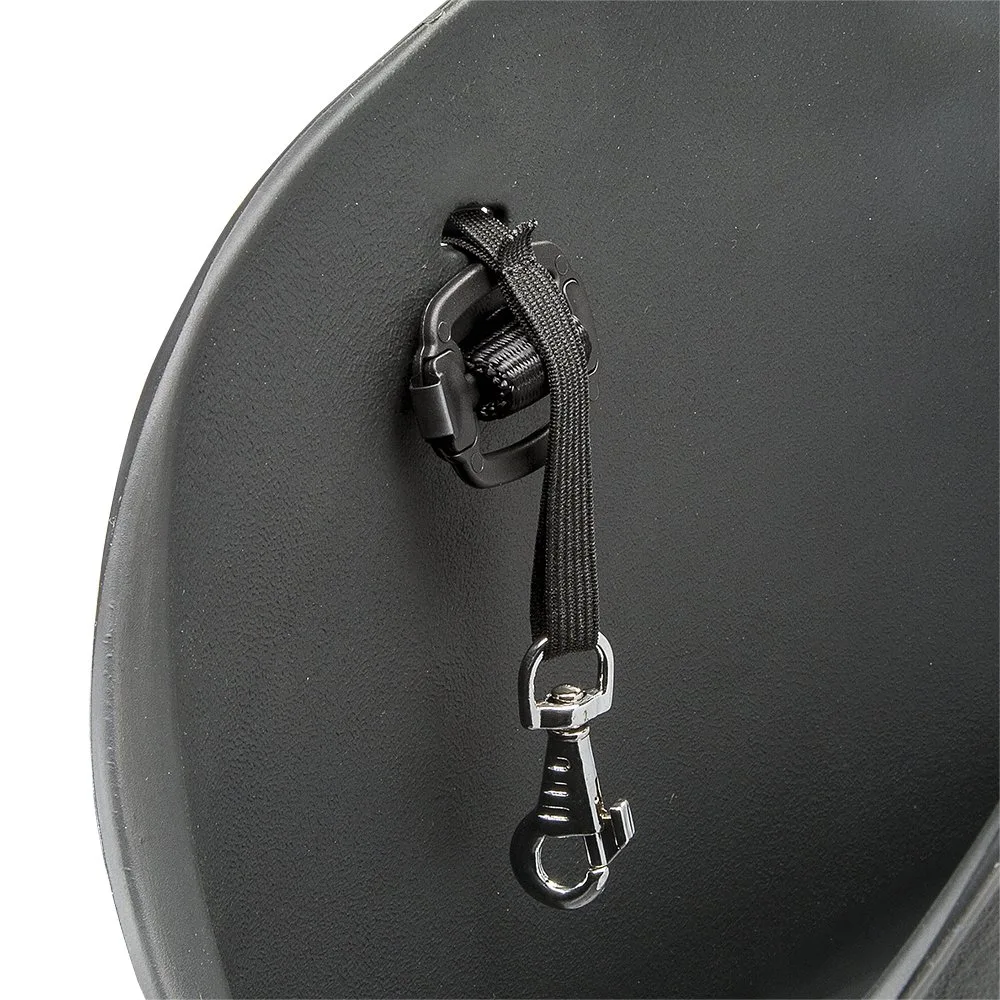
An animal navigating by touch investigates everything at nose and paw level, so every loose item inside the shell becomes part of the interface whether you intended it or not. Zipper sliders should sit in covered garages, internal tether loops should be short and anchored flat, and care labels should be placed where they cannot swing into the standing zone.
Cover profiles also affect how quickly a handler can operate the opening while supporting the animal. A garage that requires two hands and a fingernail will generate complaints even when the coverage itself is correct. Sample reviews should therefore time five consecutive open-and-close cycles with a weighted form inside, recording the first hesitation rather than simply noting whether it opened.
External dangling elements create a separate retail problem. Long decorative pulls catch on shelving, cartons and shopping trolleys, which shows up as scuffed returns and damaged packaging rather than as functional complaints. Specifying a maximum protrusion from the body keeps both the interior and the presentation cleaner, and gives inspectors a simple Go/No-Go measurement.
Internal reinforcements deserve as much attention as trims. Raw bartack tails, board edges and poorly turned seam allowances concentrate exactly where the animal first makes contact. Require enclosed board channels, at least one return fold on any exposed edge inside the compartment and a fingertip inspection pass on every first article, because these faults are invisible in photographs and expensive to fix after packing.
Snag rule: Anything inside the compartment is part of the tactile interface; specify maximum protrusion and require a fingertip pass on first articles, not merely a visual one.Texture Retention Beats Denier Marketing
Fabric conversations in this category usually start with denier, which is a poor proxy for what actually matters. A high-count shell with a brittle coating can crack along fold lines within weeks, producing sharp edges exactly where the animal rests. A slightly lighter cloth with a resilient finish and a bonded inner laminate will outlast it and cost less per unit.
Floor coverings should be selected for recovery rather than softness alone. Open-cell foam feels pleasant on first touch but collapses under repeated loading and takes a permanent impression, giving every unit a different feel after a month of use. Closed-cell sheet or a high-density non-woven holds shape better and wipes clean, which matters for every resale channel that sanitises between customers.
Ask about abrasion classification and coating adhesion explicitly, since these two tests predict complaints far better than tensile figures. A mat rated to twenty thousand abrasion cycles with poor coating adhesion will delaminate before it wears through, whereas a mat with fifteen thousand cycles and excellent adhesion delivers a longer service life. Standardised methods published by ASTM International provide a common language for those comparisons.
Chemical files and quality-system records should be requested in the same email, not after sample approval. Documentation from ISO 9001 quality management systems covers process discipline; independent verification through SGS testing and inspection services covers lot-specific results. Always name the exact destination requirement inside the purchase specification, because a homepage reference never satisfies a marketplace compliance request.
Finally, decide what happens when a lot fails. Agree in writing whether a failed coating-adhesion result triggers re-coating, replacement fabric or lot rejection, and who pays. Making that decision during quotation rather than during inspection removes the incentive to argue about acceptability once materials are already committed.
Material rule: Select floor and shell finishes on recovery and adhesion results, then fix the remedy for a failed lot in the purchase terms before any yardage is bought.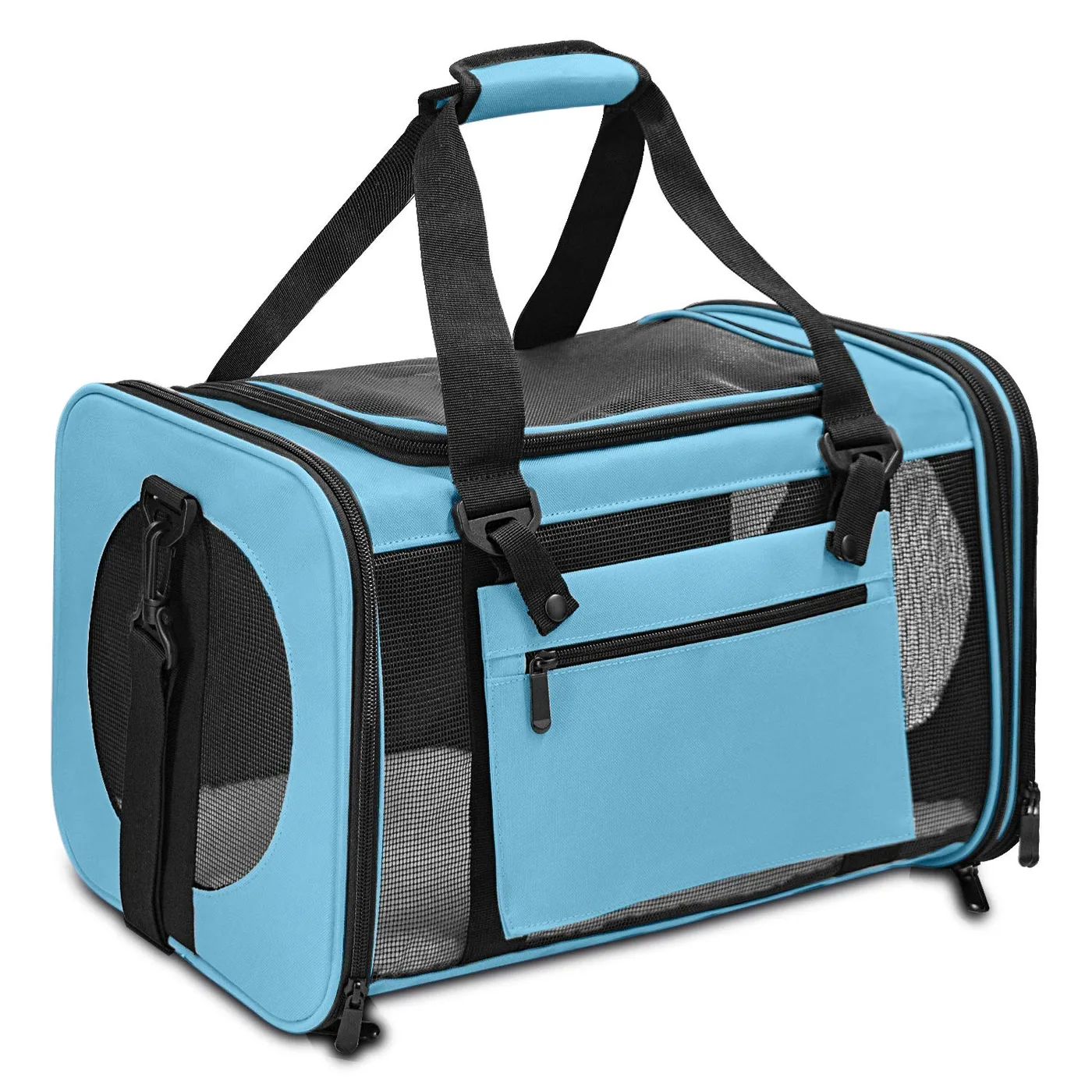
Turn the layout into measurable acceptance limits
A good specification converts every sense-based requirement into a check that an inspector can perform in under a minute. That discipline matters because pre-shipment inspection is the last point at which the buyer has leverage. If a requirement cannot be checked there with simple tools, it will not be enforced, however convinced everyone was during sampling.
Build the checklist around five operations: drop a rated weight form into each unit and read floor deflection after thirty seconds; measure eight positions between mat edge and wall before and after twenty loading cycles; run a fingertip sweep along every internal seam; count open-and-close cycles to confirm covered pullers still travel freely; compare the floor panel against the golden sample for registration.
Finally, classify defects by consequence rather than by appearance. A mat that migrates beyond the agreed limit is a functional failure even though it looks neat; a small print misalignment is cosmetic and should not hold a shipment. Instructing the inspector to separate these explicitly produces a report that supports negotiation instead of a generic pass or fail.
Documentation should close the loop. Keep signed photographs of the measurement setup with the golden sample, along with the component codes for board, mat and any bonding agent used. When a reorder arrives twelve months later those records are the only reliable way to prove whether the production actually matched the approved build.
Acceptance rule: Every tactile requirement must be checkable in under a minute with simple tools, classified by consequence, and traceable to component codes held with the golden sample.Reading Cost Drivers Inside the USD 7.40-14.80 Band
Ask for a line-item quotation before asking for a discount. Eight lines usually explain where the money goes: shell fabric, lining or internal cover, base assembly, closure hardware, sewing labour, testing allocation, retail packing and carton. Quotes that arrive as a single blended number hide substitutions, and substitutions in this category almost always land on the base.
The lower half of the band is dominated by construction using a standard corrugated or extruded board plus a bonded mat. It suits marketplace launches where the visual presentation does most of the selling and the floating-floor risk is acceptable. Moving into the middle band typically buys density in the base panel, a registered channel and better floor finishing, all of which directly improve repeatability.
The upper band adds either moulded components or a washable liner system. Those additions only make sense when the channel genuinely sanitises units or when vast volumes justify the component minimum. Otherwise the importer pays for capability nobody will ever exercise, which is money unavailable for photography, listings or a second colourway.
Volume interacts with all of this. A first order meeting the minimum per colourway leaves little room to absorb rework, so the sensible approach is to standardise board, mat and hardware across every variant in the launch and reserve exotic elements for a proven second season. Anchoring this discipline early prevents the slow accumulation of single-source components.
Quote rule: Demand eight identified cost lines, protect the base assembly during negotiation, and add complex components only after reorder volume justifies their minimum.Assortment Width and Replenishment Discipline
First-season assortments are frequently too wide. A compact shell and a mid shell cover the overwhelming majority of realistic weight cases, and each additional intermediate variant adds pattern cost, photography, listing maintenance and slow-moving inventory without producing a measurable sales gain. Start with two, then let return data tell you which direction deserves expansion.
Colour strategy should follow the same logic. Two colourways at the minimum per variant give the merchandising team something to test while keeping material fragmentation low. Shared lining, shared webbing and shared hardware across colours reduce material minimums even when the finished-goods minimum for each variant remains unchanged, which is where most of the real savings sit.
Replenishment control deserves explicit attention. Reference the original approved sample and component codes on every repeat, and list only intentional changes. Shade lots, board densities and coating batches drift between seasons, so treating them as interchangeable simply because the visible design and item number are unchanged is a common route to disappointed customers.
Finally, plan the logistics early. Two corroborated ex-factory dates, consistent carton marks and a booked inspection slot matter more to launch timing than any single component decision. Model the container by packed volume rather than unit count, because these shells carry air and often fill a container before they approach its weight limit.
Assortment rule: Launch two sizes and two colours on a shared component platform, then let coded return data rather than intuition direct the next expansion.Production capability
- SGS-verified production space of 4,950 m², 149 machines, 7 assembly lines
- Pet bag output since 2014 from a 137-person team
- 200,000 units shipped monthly under BSCI and ISO 9001 systems
People Also Ask
Is this product fundamentally different from a standard soft pet bag?
Physically the shell resembles a soft bag; commercially it is specified differently. The difference lies in controlled geometry, registered flooring and defined landmark relief, all of which must remain identical between units and production runs. Those controls rather than appearance justify the price gap and the stricter incoming checks.
How many sizes should a first order include?
Two covers most realistic weight cases: a compact shell near eight kilograms and a mid shell near fifteen. Intermediate sizes add patterns, photography and inventory without measurable sales gain. Add a third only after return coding shows a genuine gap rather than a preference expressed in a meeting.
What does a typical unit cost before freight?
Indicative pricing sits between USD 7.40 and 14.80 FOB depending almost entirely on base construction and floor finishing. Decoration contributes very little. Comparing two offers is only valid when both quote the same base assembly, tolerances and packing, so request the eight-line breakdown before judging either number.
Which failure generates the most complaints?
Inconsistency between the unit sold and the replacement or gift purchase received. Dogs relying on contact cues notice a changed mat position immediately, and owners interpret the refusal as a defect. Writing complete geometry control into the specification is therefore a warranty decision rather than an engineering indulgence.
Do these units need electronics or lighting?
No. This segment depends on touch, so raised relief, texture contrast and fixed boundaries deliver the benefit. Illumination and audible signalling belong to a different accessibility category and add cost, certification obligations and failure modes that a touch-based design deliberately avoids.
How should units be cleaned between customers?
Follow the care label and validate it during development rather than afterwards. Wipe-clean coverings suit clinic and rental fleets; machine-washable systems suit home resale. Require evidence of retained relief after the stated cycle count, because decorations that flatten remove the distinguishing feature of the product entirely.
What should appear on retail packaging?
A simple exploded diagram showing the three landmark positions, the supported weight band, cleaning instructions and a plain statement that this is a travel aid rather than equipment of any kind. Avoid symbols suggesting clinical endorsement, and make sure the weight band matches what was actually tested.
Frequently Asked Questions
How do we specify tactile performance so a supplier can actually quote it?
Replace adjectives with four measured items: floor deflection under the rated load after thirty seconds, mat migration distance after twenty loading cycles, relief height retained on each landmark after the labelled wash count, and usable opening height at chest level. Each one needs a tolerance and a named test method. Suppliers price unclearly defined work higher, because nobody can estimate a risk they have been asked to guess at.
Which deposit, balance and shipment terms apply to this category?
Our standing basis is thirty percent deposit and seventy percent against copy documents, quoted FOB Xiamen. If your finance team prefers another delivery term, request a separate landed proposal rather than comparing it directly with the ex-works number, since freight and duty change the ranking of options materially.
Can a second or third colourway join the same production run?
Yes, provided each colourway clears 500 pieces and every unit shares approved base, mat and hardware construction. Sharing these internal components reduces material fragmentation and shortens the purchasing schedule, though it does not remove the finished-goods minimum that applies to each individual colour.
How many prototype rounds should the calendar allow?
Plan one round for a known shell and two when a new floor system, new landmark design or a different fabric finish is involved. Each round typically takes six to ten working days once the specification and any reference items are confirmed. Additional rounds are almost always cheaper than reworks discovered after packing.
When does the mass-production clock actually start?
The thirty-five to fifty day window begins the day the physical reference unit and all controlled specifications are signed. Later alterations to base density, mat bonding or landmark placement reopen the affected approval and can move the vessel booking, so freeze those three items before anything relating to decoration.
Which elements should never be value-engineered away?
Base panel density, mat registration method and internal edge finishing. These three govern whether the second unit feels like the first, and removing them converts a specialist item into a generic tote. Print, labelling and packaging can normally absorb the savings instead without damaging the core proposition.
What belongs in the reference file kept by quality control?
The signed unit, measurement sheet with photographs of the setup, full component list with codes, sealed fabric swatches, hardware references, artwork, care labels, packing method and any test reports named in the purchase terms. The same file should be available to both the line supervisor and the final inspector.
How should the pre-shipment standard be written for this product?
Use a 2.5 acceptable quality level with defects classified by consequence. Mat migration beyond tolerance, missing landmarks and enclosed Edge exposure should sit above appearance faults such as minor print variance. Written definitions stop an inspector from applying general garment tolerances to a structural item.
Are there claims we should avoid on listings and packaging?
Avoid any statement implying treatment, therapy or guaranteed safety. Describe tested features only: retained relief after cleaning, floor flatness under load, covered internal hardware. Listing language should mirror the evidence in the technical file, because marketplace compliance teams request that file rather than accepting marketing copy.
What happens if the replacement mat lot feels different?
Treat it as a non-conformance and compare against the sealed swatch held with the reference. Differences in pile direction, coating or density are common between production runs and are exactly why change control matters. Ask for written confirmation of any component substitution before the next lot is cut.
Can this item share a container with unrelated pet products?
It can, provided ex-factory dates align and carton marks stay separate. Model the load by packed volume rather than value because structured base systems occupy cube quickly. Confirm the inspection booking early since mixed containers complicate sampling access at the pier.
What information produces the fastest quotation?
Send target channel, finished dimensions, weight bands, base preference, required tolerances, landmark description, quantity by colour, tests required, decoration, packing method and destination. A complete enquiry normally returns within two working days, whereas an incomplete one generates assumptions that later surface as disputes.
Talk to QUANZHOU JUNYUAN BAGS about a wholesale pet bag order: MOQ 500 pieces per colourway, samples in 6-10 working days, bulk production in 35-50 days under AQL 2.5 inspection.
Get a free quote Request a sample