Abrasion Resistant Pet Bags: Wear Proof Sourcing Guide
A wholesale pet bag should be specified at 30,000-50,000 Martindale abrasion cycles for retail tote programs and 80,000-100,000 cycles for daily-carrier, kennel and airline-adjacent programs before any yarn break is accepted. Abrasion resistance is measured on a rub bench that drags the face fabric against a standard wool abradant until two threads fail, and the cycle count at failure is the only number a buyer can put into a purchase order. Below 20,000 cycles the shell pills and thins inside one selling season; above 100,000 cycles the fabric cost rises 12-18% with little visible return for most channels.
Abrasion resistance is a procurement lever, not a marketing adjective. When you write the shell spec as a cycle count with a named test method (Martindale per ISO 12947 or Wyzenbeek per ASTM D4157), you convert a subjective claim into an acceptance clause that a third-party lab can fail or pass for you. Our production team quotes abrasion grades against real cost bands: a 600D polyester at 25,000 Martindale cycles sits at the entry price point, a 900D with PU backing at 50,000 cycles adds roughly 8-11% to fabric cost, and a 1680D ballistic weave at 100,000+ cycles adds 18-24%. Sampling runs 6-10 working days and includes a rub-test coupon from the actual production lot so you are not qualifying a lab sample. Bulk production is 35-50 days from approved sample, and every shipment is inspected to AQL 2.5 with abrasion-panel damage treated as a functional defect rather than a cosmetic one. Standard commercial terms are MOQ 500 pieces per colourway, T/T 30/70 and FOB Xiamen.
How to source pet bags is mostly a question of sequence - spec, sample, test, then price - and Material & Technology sits in the second step. Pet bag sourcing that begins with a photograph rather than a technical pack tends to add two rounds before anyone can quote.
What Abrasion Resistance Actually Measures in Wholesale Pet Bags
Abrasion resistance is the number of controlled rub cycles a face fabric survives before the surface structure fails. The failure criterion is defined, not subjective: on the Martindale bench the endpoint is the breakage of two threads in a woven fabric, while on the Wyzenbeek bench it is the point at which two yarns rupture or the coating shows through. That distinction matters to a buyer because the same 600D polyester can be reported as 20,000 cycles by one lab and 30,000 double rubs by another, and neither number is wrong. What is wrong is writing "abrasion resistant" into a spec sheet without naming the method, the abradant and the endpoint.
For pet bags the abrasion load profile is unusual. A bag rubs against a car seat frame, a trolley handle, a concrete kennel floor and a retail shelf, all in the same week, and the abrasion is often concentrated on a narrow set of contact points: the base panel, the bottom corners, the strap exit points and the zipper garage. Panels that never touch anything do not need the expensive weave. A sourcing plan that grades fabric by panel position rather than by the whole bag typically saves 6-9% of shell cost while raising the measured lifespan of the bag where it actually fails.
Buyers also confuse abrasion with tear strength and puncture resistance, which are separate tests with separate numbers. A tightly woven 420D nylon can outperform a loose 900D polyester on rub cycles because abrasion is governed by yarn-to-yarn friction and surface flatness, not by sheet thickness. When you brief a pet bag supplier, ask for the three numbers side by side and decide which one governs the complaint you are trying to prevent.
The practical output of this section is a single line you can paste into a tech pack: face fabric, construction, cycle count, test method, and endpoint definition. Without that line, a factory has no obligation to deliver the wear life you priced.
Buyers new to the category often ask whether a single "abrasion rating" can cover a whole catalogue. It cannot, because wear life is a property of the finished assembly rather than of the bolt of cloth. The same shell performs differently once it is backed, printed, quilted or laminated, and it performs differently again once the bag's geometry puts a fold under the strap load. Treat the cycle count as one input to a construction decision, and treat the field-return data from your own channel as the check on whether the decision was right.
Martindale and Wyzenbeek: The Two Benches Buyers Compare
Two abrasion benches dominate the trade, and they are not interchangeable. Martindale (ISO 12947, and the AATCC 119/120 family used in US labs) rubs the specimen in a Lissajous figure against a standard worsted wool and reports cycles to thread breakage. Wyzenbeek (ASTM D4157) rubs the specimen back and forth in a straight line over a wire-mesh or cotton abradant and reports double rubs. North American upholstery and luggage programmes historically specify Wyzenbeek; European and most Asian retail programmes specify Martindale. If your retail buyer is a US chain and your factory lab reports Martindale, you will spend two weeks on a translation argument at exactly the moment you least want one.
Reference details and the current scope of the test methods are maintained by the standards bodies themselves, and serious buyers read the method summary rather than the marketing page: ISO quality management and standards framework for the governance side and ASTM International test method standards for the D4157 bench used in North America. Textile-specific methods including abrasion and colour fastness are catalogued by AATCC, and its method numbers appear on most commercial lab reports you will receive.
Cycle counts map to channel expectations in a way that is stable enough to budget against. The table below is the grading our production team uses when a wholesale pet bag order is quoted, and it reflects what buyers actually return claims for, not what a mill datasheet advertises.
| Channel | Recommended Martindale cycles | Typical face fabric | Fabric cost index |
|---|---|---|---|
| Gift / seasonal totes | 15,000-25,000 | 300D-420D polyester | 100 |
| Mass retail pet bags | 30,000-50,000 | 600D polyester, PU backed | 112-118 |
| Specialty / pet chain | 50,000-80,000 | 900D polyester or 500D nylon | 128-136 |
| Daily carrier / backpack | 80,000-120,000 | 1680D ballistic or 1000D Cordura-type | 155-175 |
| Kennel / shelter / rental use | 120,000+ | 1680D with reinforced base panel | 180-195 |
One caution on cost index: it moves with oil and yarn markets, so quote the cycle count and let the mill solve for fabric, rather than quoting the fabric and hoping for the cycles.

Yarn, Weave and Denier: Where Wear Life Is Won or Lost
Denier is the mass in grams of 9,000 metres of yarn, and it tells you how thick a single filament is, not how well a cloth resists rubbing. Abrasion life is driven by four construction variables: filament thickness, weave tightness, yarn twist and filament cross-section. A 600D fabric woven at high thread count with a flat filament surface will out-rub a loose 900D because the abradant slides across a plane instead of catching on yarn crowns. This is why two fabrics with the same printed denier can differ by 40% in measured cycles, and why "upgrade to 900D" is an unreliable instruction.
- Plain weave gives the flattest surface and the best rub result per dollar, but it creases sharply at folds and looks utilitarian on a retail shelf.
- Twill and ripstop weaves put reinforcement grids into the cloth; ripstop raises tear strength substantially and only modestly improves abrasion, so it is often the wrong fix for a wear complaint.
- Oxford weaves (the basket look most pet bags use) balance hand feel and rub life, and backing choice matters more than weave here.
- Ballistic weaves use two-ply yarns in a tight basket and give the highest cycle counts, at a weight penalty of 25-40% over a 600D shell.
Filament cross-section is the quiet variable. Round filaments abrade differently from trilobal or hollow filaments, and a hollow fibre can feel thick while performing poorly on the bench. Ask the mill for the abrasion report on the exact greige goods, not on the "family" of fabrics. Our production team keeps coupon libraries by mill and by lot so a repeat order is qualified against the previous lot's rub result rather than against a generic datasheet.
Weight is the trade-off a buyer must price honestly. Every 100 g of shell weight on a 40 cm pet bag adds measurable freight cost per container and pushes the product out of lightweight parcel bands for e-commerce fulfilment. Over-specifying abrasion on an online-only SKU is one of the most common and least visible margin leaks in wholesale pet bag programmes.
Coatings and Finishes That Change the Rub Result
Backing is where abrasion performance is frequently bought and frequently lost. A PU (polyurethane) coating applied at 15-25 g/m² bonds the yarn crowns together and spreads the rub load, which can lift measured cycles by 20-35% on the same greige cloth. PVC backing is cheaper and stiffer, and it performs acceptably on rub while cracking at low temperatures and adding odour risk that a retailer's own QC may flag. TPU backing is the premium option: higher flex life, lower temperature brittleness and better hydrolysis resistance, at roughly 1.6-2.2 times the PU cost.
Finish chemistry also matters. A fluorocarbon-free durable water repellent (DWR) changes surface friction and can shift the rub number by a few thousand cycles in either direction, so the finish must be applied before the coupon is tested, not after. Buyers who test a greige coupon and then approve a finished production lot are approving a different piece of cloth.
There is also a compliance dimension. Finishes applied to textile articles placed on the EU market sit under chemical restrictions administered by ECHA (REACH), and many retail programmes add an article-level certificate such as OEKO-TEX STANDARD 100. A finish that improves the rub number but fails the restricted substance list is not an option, so the finish must be selected in the same conversation as the cycle count.
Finally, lamination and print can abrade off long before the substrate fails. A heat-transfer logo that disappears at 8,000 cycles on a 60,000-cycle shell will generate returns that look like a fabric failure but are really a decoration failure. Specify the logo durability test separately.
Lab Bench vs Real Handling: Where Wear Actually Shows Up
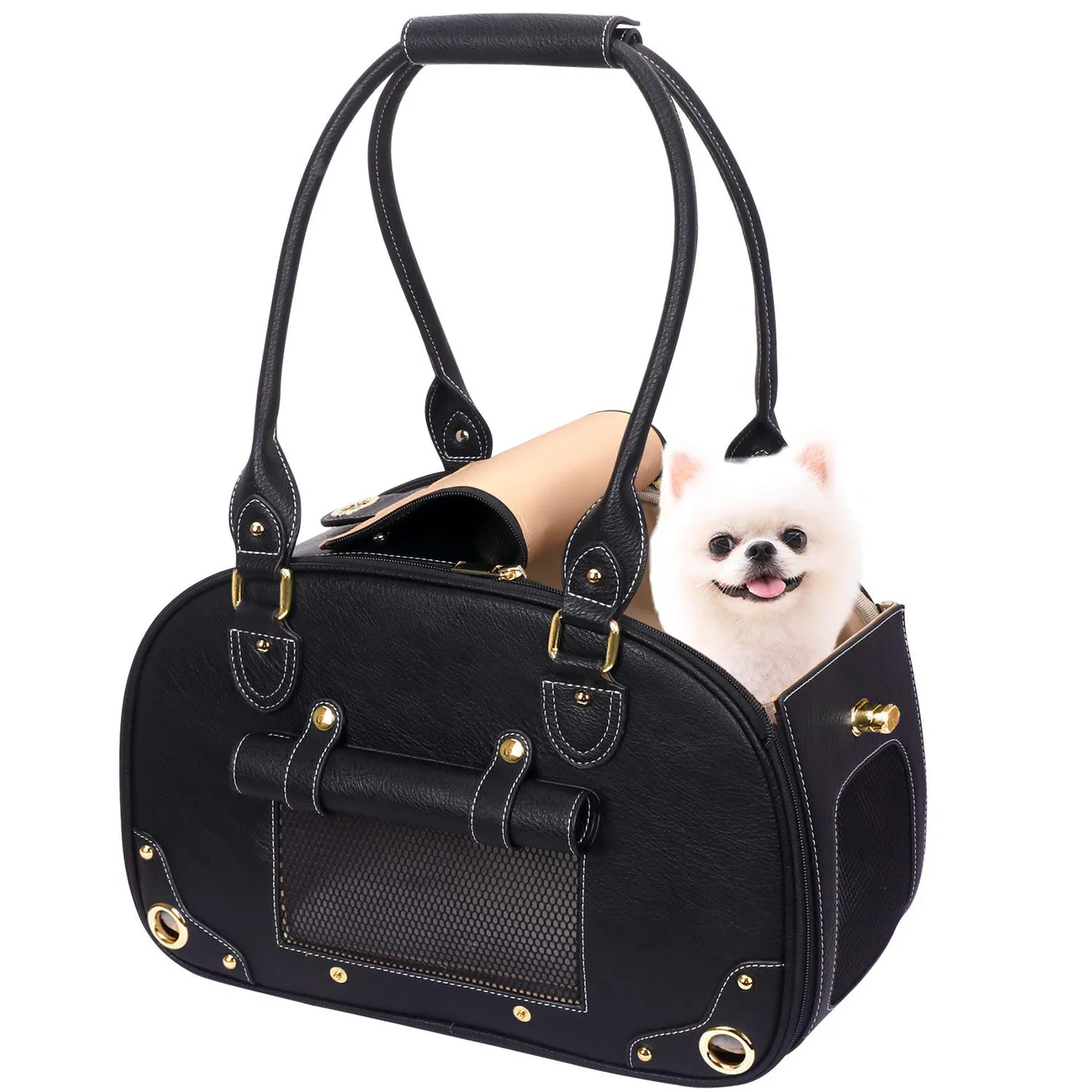
A rub bench is a flat-plane test, and pet bags almost never fail on a flat plane. In the field, abrasion concentrates at the base panel, the four bottom corners, the strap root and the zipper garage. Those five zones account for the overwhelming majority of wear-related returns, and all five are structural details rather than fabric choices. A 30,000-cycle shell with a bound and reinforced base will outlast a 100,000-cycle shell with a raw turned bottom seam in real use, which is why the two must be specified together.
Handling environments differ and should drive the spec. Airport and transit programmes see repeated contact with belt frames and trolley rails, which is sharp, high-load abrasion; kennel and shelter programmes see wet, grit-loaded scrubbing against concrete, which is a low-load but chemically aggressive combination; retail rack programmes see light but constant edge rub. Each environment rewards a different construction, and one SKU rarely serves all three well.
- Transit-heavy programmes: reinforce corners with a second fabric layer or a moulded bumper, and move the handle roots inside the load path.
- Kennel and shelter programmes: prioritise hydrolysis-resistant backing and a wipe-clean base that tolerates disinfectant, over raw cycle count.
- Retail rack programmes: prioritise surface appearance retention (pilling grade) over ultimate failure point, because the bag is sold before it wears out.
Pilling grade deserves its own line in the spec. A fabric can survive 60,000 cycles while looking tired at 10,000 because surface fuzz forms early. If your channel sells on shelf appearance, add a pilling acceptance grade (typically 4 after 7,000 cycles) alongside the abrasion number.
Cost Modelling: Paying Only for the Cycles You Need
The correct way to buy abrasion is to price the failure you are preventing. A returns analysis is worth more than any datasheet: if your last season's wear claims were 1.2% of units and concentrated on base corners, the fix is a construction change costing cents, not a fabric upgrade costing dollars. If claims were 6% and spread across the whole shell, the fabric grade is genuinely too low and upgrading one step pays for itself inside a single season.
The table below shows how the upgrade decision lands on landed cost for a 40 cm pet tote at a 2,000-piece order, before freight. The point is not the absolute numbers but the shape of the curve: the first upgrade step is cheap, the last one is expensive, and the middle step is usually where the programme should sit.
| Shell spec | Martindale cycles | Fabric cost / unit (USD) | Converted cost / unit (USD) | Break-even claim reduction |
|---|---|---|---|---|
| 420D polyester, no backing | 20,000 | 1.10 | 5.40 | baseline |
| 600D polyester, PU backed | 40,000 | 1.32 | 5.68 | 0.5% of units |
| 900D polyester, PU backed | 65,000 | 1.58 | 5.98 | 1.1% of units |
| 1680D ballistic, TPU backed | 110,000 | 2.35 | 6.85 | 2.6% of units |
Note the interaction with MOQ. Abrasion-graded fabrics are usually stocked by mills in specific colourways; moving off a stock colourway to hit a brand shade can add a dye-lot minimum of 1,000-3,000 metres, which at MOQ 500 pieces is the difference between a viable and a non-viable first order. Our production team flags dye-lot minimums during quotation rather than after the deposit, because that is the single most common cause of a first order slipping.
Test Protocol, Sampling and AQL: Locking the Number Into the PO
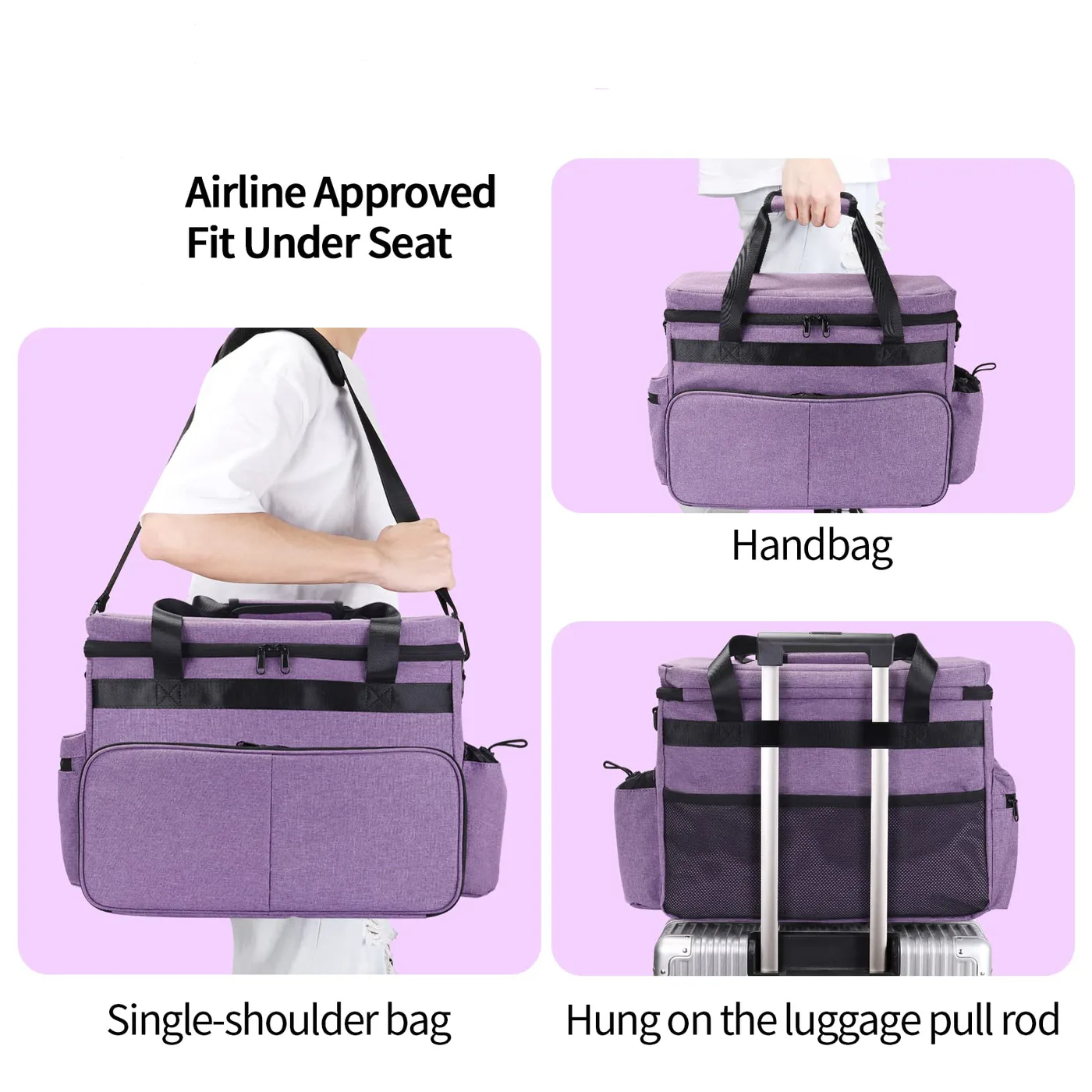
A cycle count is only enforceable if the purchase order says how it will be verified. The workable clause has four parts: the method and edition, the sampling rule, the pass threshold, and the consequence of a fail. A clause that says "fabric must pass 40,000 Martindale cycles" with no sampling rule is unenforceable in practice, because the factory can legitimately point to any single passing coupon.
- Method and edition: name ISO 12947-2 or ASTM D4157 with the year, and name the endpoint criterion.
- Sampling rule: three coupons per colourway per 5,000 metres, taken from the production lot, not from a lab roll.
- Threshold: the average of three results must meet or exceed the spec, and no single coupon may fall below 85% of it.
- Consequence: a fail entitles the buyer to reject the lot or require a documented replacement fabric at the supplier's cost.
Finished-goods inspection is a separate gate. Every shipment from our production network is inspected to AQL 2.5, and abrasion-related damage observed at goods-in - abrasion holes, coating flaking at fold points, pilling beyond grade - is classified as a functional defect, which carries a tighter acceptance number than a cosmetic one. This classification should be agreed before bulk starts, because reclassifying a defect after inspection has begun is the fastest way to poison a supplier relationship.
Lab reports are only as good as the lab. Accredited third-party reports from recognised testing houses carry weight with retail compliance teams; in-house mill reports are useful for trend tracking but rarely accepted as documentation. Budget 3-5 working days and a modest per-report fee for the accredited version, and build it into the critical path before you commit the bulk date.
Reading the Lab Report: Shortcuts That Hide a Weak Shell
A commercial abrasion report is easy to read once you know where the information hides, and it is equally easy to be misled by one that is technically accurate. The four fields that matter are the method and edition year, the specimen description, the number of specimens and the endpoint criterion. A report that omits any of those is not evidence of anything, even if the cycle number looks impressive.
The most common shortcut is the substitution of a laboratory roll for a production lot. Mills keep reference rolls that were tested years ago, and a report on that roll says nothing about the cloth being cut this month. Insist that the coupon come from the lot referenced in your order, and have the lot number printed on the report. A second shortcut is reporting the best of five specimens rather than the average; a fabric with results of 22,000, 24,000, 26,000, 61,000 and 63,000 cycles is a 26,000-cycle fabric, not a 63,000-cycle one.
A third shortcut is the endpoint. Some labs stop the test at a visual change rather than at thread breakage, which inflates the number substantially. If your spec says breakage and the report says appearance change, the report does not answer your question. Fourth, check the abradant and the load: a report run at a lower nominal pressure than the standard specifies will produce a higher number that no other lab can reproduce.
Buyers should also look at the date and the conditioning. Textile results shift with humidity, and accredited labs condition specimens before testing; a report without a conditioning statement suggests a bench that was not controlled. Finally, keep the report with the order file. When a claim arrives eleven months later, the question you will be asked is not what the fabric was supposed to be, but what the report said it was.
How to Brief a Pet Bag Supplier for a Wear-Proof Programme
The brief is where most wear problems are created. A request that says "durable, abrasion resistant pet bag, please quote" will come back priced on the cheapest stock fabric a factory has, and the resulting product will behave exactly as that price implies. A brief that names the cycle count, the panel positions, the backing chemistry, the pilling grade and the verification method comes back priced correctly and can be audited later.
What to Include in the Technical Pack
Include a panel map with a cycle requirement per panel, the backing type and grammage, the seam construction at the base, the reinforcement at corners and strap roots, the decoration durability requirement, and the chemical compliance documents required by the destination market. Add the test method with edition year and the sampling rule. That is the whole document, and it is usually one page.
What to Ask the Supplier to Confirm in Writing
Ask for the mill name and lot reference, the accredited abrasion report for that lot, the dye-lot minimum for the chosen colourway, the panel-level grading actually being quoted, and confirmation that the finished-goods inspection will treat abrasion damage as functional. Suppliers answering all five without hesitation are usually the ones whose bulk matches the sample.
Timing and Order Structure
Prototyping a new abrasion spec runs 6-10 working days including the coupon test; bulk runs 35-50 days from approved sample; standard order terms are MOQ 500 pieces per colourway, T/T 30/70 and FOB Xiamen. Programmes that need a new dye-lot in a non-stock colourway should add the mill's dyeing window on top of the bulk figure rather than assuming it is included.
Production capability
- SGS-verified production space of 4,950 m², 149 machines, 7 assembly lines
- Pet bag output since 2014 from a 137-person team
- 200,000 units shipped monthly under BSCI and ISO 9001 systems
People Also Ask
How many Martindale cycles should a wholesale pet bag have?
30,000-50,000 Martindale cycles is the practical floor for mass retail pet bags, 50,000-80,000 suits specialty pet chains, and 80,000-120,000 is the range for daily-use carrier and backpack programmes. Below 25,000 cycles a bag usually shows visible wear inside a single selling season, and above 120,000 the added fabric cost rarely translates into fewer complaints for most channels.
What is the difference between Martindale and Wyzenbeek abrasion tests?
Martindale rubs the specimen in a Lissajous pattern against worsted wool and reports cycles to the breakage of two threads, while Wyzenbeek rubs back and forth in a straight line and reports double rubs to yarn rupture. They measure the same property on different benches, so the two numbers are not convertible and the spec must name one method.
Does a higher denier fabric always last longer?
No. Denier describes yarn thickness, while abrasion life depends mainly on weave tightness, yarn twist, filament cross-section and backing. A tightly woven 600D with PU backing routinely out-rubs a loose 900D without backing, which is why the spec should quote cycle counts rather than denier.
Which parts of a pet bag wear out first?
The base panel, the four bottom corners, the strap roots and the zipper garage are the high-failure zones because abrasion concentrates there rather than across flat panels. Reinforcing those five areas with a second fabric layer or a bound seam raises field life more than upgrading the entire shell.
Do coatings improve abrasion resistance?
Yes, a PU backing of 15-25 g/m² typically lifts measured cycles by 20-35% on the same greige cloth because it bonds yarn crowns and spreads the rub load. TPU backing adds flex life and hydrolysis resistance at roughly 1.6-2.2 times the PU cost, while PVC is cheaper but stiffens in cold conditions.
How is abrasion resistance verified on a bulk order?
Verification requires three coupons per colourway per 5,000 metres taken from the production lot, tested to a named method with edition year, with the average meeting the spec and no single coupon below 85% of it. Finished goods are then inspected to AQL 2.5 with abrasion damage classified as a functional defect.
Is abrasion resistance the same as tear strength?
No, they are separate tests with separate numbers and separate failure modes. Tear strength measures resistance to propagation of an existing cut, puncture resistance measures resistance to a point load, and abrasion measures surface wear under repeated rubbing, so a fabric can rank differently on each.
Frequently Asked Questions
What cycle count should I specify for a pet bag sold through a supermarket?
Supermarket and mass-retail pet bags are typically specified at 30,000-50,000 Martindale cycles on a PU-backed 600D polyester shell. That range survives the shelf life and the first months of use at a fabric cost index of about 112-118 against a 420D entry fabric, and it avoids the margin loss that comes from over-specifying a low-price-point SKU.
Can one fabric serve both a tote and a backpack programme?
It can physically, but it is rarely economical. A tote's abrasion load sits on the base and handles, while a backpack adds shoulder-strap rub against clothing and body panels, so the backpack usually needs one grade higher plus a pilling acceptance grade that the tote does not need at all.
Why do two labs report different numbers for the same fabric?
Differences come from the bench, the abradant, the applied load and the endpoint definition, not from lab error. A fabric reported at 25,000 Martindale cycles and 15,000 Wyzenbeek double rubs can be entirely consistent, which is why the tech pack must name one method and one endpoint.
How much does upgrading the abrasion grade add to unit cost?
Moving from a 420D unbacked shell to a PU-backed 600D adds roughly 0.20-0.28 USD in fabric and about 0.28 USD in converted cost per unit on a 2,000-piece tote order. The jump to a TPU-backed 1680D ballistic shell adds about 1.45 USD converted, which only pays back when claim rates exceed roughly 2.5% of units.
Does a water-repellent finish affect the abrasion result?
Yes. Surface finishes change the coefficient of friction and can move the result by several thousand cycles in either direction. The coupon submitted for testing must carry the production finish, not the greige cloth, otherwise you are qualifying a different material than the one that ships.
Should abrasion damage be a cosmetic or functional defect at inspection?
Functional. Abrasion holes, coating flaking at fold points and pilling beyond the agreed grade are performance failures rather than appearance issues, and classifying them as functional applies a tighter acceptance number under AQL 2.5. Agree the classification before bulk starts so there is no dispute at goods-in.
What is the risk of a non-stock colourway on a first order?
Non-stock colours usually trigger a mill dye-lot minimum of 1,000-3,000 metres, which at MOQ 500 pieces can exceed the fabric actually needed and push the order past viability. Ask for the dye-lot minimum in writing at quotation stage and either accept a stock shade or plan a larger first buy.
Do I need an accredited third-party report, or is a mill report enough?
Retail compliance teams generally require an accredited third-party report, while mill reports are useful only for internal trend tracking. Budget 3-5 working days and a per-report fee for the accredited version and put it on the critical path before committing a bulk date.
How do I stop the logo from wearing off before the fabric fails?
Specify decoration durability as a separate test with its own cycle threshold, because heat-transfer prints can fail at 8,000 cycles on a shell rated for 60,000. Embroidery or a woven label on high-contact panels outlasts transfer prints and should be used where the bag touches the ground or a rack.
What does pilling grade add to an abrasion spec?
Pilling grade controls appearance retention, which is separate from the ultimate failure point. A fabric can survive 60,000 cycles while looking worn at 10,000, so shelf-driven programmes should add a pilling requirement of grade 4 after 7,000 cycles alongside the cycle count.
Is a ripstop weave the right fix for a wear complaint?
Usually not. Ripstop mainly raises tear strength through its reinforcement grid and only modestly improves abrasion, so it is the right fix for cut-propagation complaints and the wrong fix for surface-wear complaints. Confirm which failure mode your returns show before changing the weave.
How long does it take to qualify a new abrasion spec?
Prototyping including a coupon test from the production lot runs 6-10 working days, and bulk production runs 35-50 days from approved sample. New dye lots in non-stock colours add the mill's dyeing window on top of the bulk figure, so build that into the launch calendar.
Talk to QUANZHOU JUNYUAN BAGS about a wholesale pet bag order: MOQ 500 pieces per colourway, samples in 6-10 working days, bulk production in 35-50 days under AQL 2.5 inspection.
Get a free quote Request a sample