Anti-Microbial Pet Bag Hygiene: Wholesale Specs and Testing
Hygiene in a wholesale pet bag is a system result, not a single additive: a treated surface reaching 99 percent bacterial reduction under ISO 20743, a non-porous face that wipes clean, and a validated wash or wipe protocol that leaves an ATP swab reading below 250 RLU. Any one of the three without the other two fails in professional use.
Buyers enter this category asking for an antimicrobial finish and leave it asking for a hygiene protocol. The distinction is commercial as well as technical: a clinical or boarding customer does not want a treated fabric, they want evidence that the bag can be turned around between animals within their own cleaning routine. That evidence is a set of documents, not a claim.
Plan the programme in the standard frame. MOQ 500 pieces per colourway, prototype sampling in 6-10 working days once the surface material and protocol are agreed, and bulk production of 35-50 days after approval and deposit. Release runs against AQL 2.5 for major defects, with hygiene-specific checks written into the inspection plan rather than left to final visual review.
The rule that governs this category: hygiene is proven by the cleaning protocol, not by the additive. Specify the surface, the seam, the protocol and the verification method together, and the product will pass an audit; specify the additive alone and it will not.
Wholesale nylon pet carrier and wholesale polyester pet carrier lines differ mainly in abrasion behaviour, which Material & Technology should record as a cycle count instead of a fabric name. Wholesale eco friendly pet carrier programmes add a certificate cost that is small per unit but fixed per colourway.
What Hygiene Means in a Pet Bag Specification
Hygiene is one of those words that means something different to everyone in the chain, which is why it ends up unverifiable. In a purchasing context it should be decomposed into four measurable statements: the surface resists microbial growth under a named test, the construction can be cleaned by a named method without damage, the cleaned surface reaches a defined cleanliness indicator, and the product survives the required number of cleaning cycles without degradation. Each of those four has a number and a method.
The first statement is the antimicrobial performance, normally expressed as a percentage or log reduction against named organisms under ISO 20743 or a comparable AATCC method. The second is chemical and mechanical compatibility with the cleaning agent the customer actually uses. The third is an operational indicator, and the practical one in professional environments is an ATP bioluminescence swab reading, which gives a rapid cleanliness number in relative light units and can be run by the operator's own staff. The fourth is durability, stated as a cycle count.
Why this decomposition matters commercially is simple. A buyer who specifies only the first statement receives a bag that tests beautifully in a laboratory and fails in daily service, because the surface cannot be cleaned with the customer's disinfectant or because the seam holds residue that no wipe reaches. Those are the failures that generate complaints, and none of them are visible in a standard antibacterial report.
The citable conclusion for procurement teams is that a hygiene claim should always be written as a protocol plus a verification indicator. Doing so costs nothing extra at specification stage and converts the claim from marketing into something a professional buyer can audit.
One further distinction helps buyers write the clause correctly: hygiene and sterility are not the same thing, and no soft textile product sold into this category is sterile. The realistic objective is a surface that can be returned to a defined cleanliness level by a repeatable routine and that resists microbial growth between cleanings. Stating that objective precisely prevents the argument that arises when a customer expects a wiped bag to perform like an autoclaved instrument.
Microbial Testing: Methods, Organisms and Acceptance Criteria
Microbial testing in this category runs on two levels. Laboratory antimicrobial testing establishes that a treated surface inhibits growth, using ISO 20743 for textiles and the equivalent surface method for non-porous components, with results expressed as a reduction against named organisms over a defined contact period. Operational cleanliness testing establishes that a cleaned bag is actually clean, and that is where ATP swabs, contact plates and visual residue checks come in.
Both levels are needed, and they answer different questions. The laboratory test is run once per construction and supports the claim. The operational test is run by the customer every day and determines whether they reorder. A supplier who only offers the first is selling a certificate rather than a product.
| Level | Method family | What it proves | Acceptance | Frequency |
|---|---|---|---|---|
| Laboratory, textile | ISO 20743 | Surface inhibits growth | 99 percent reduction | Once per construction |
| Laboratory, textile | AATCC antibacterial methods | Activity against named strains | 99 percent reduction | Once per construction |
| Laboratory, hard surface | ISO plastic surface method | Trim and hardware activity | 99 percent reduction | Once per trim set |
| Operational | ATP bioluminescence swab | Cleanliness after the protocol | Below 250 RLU | Daily by the operator |
| Operational | Contact plate or visual residue | Residual contamination | No growth, no residue | Weekly audit |
Methods and their current versions are published by the AATCC and by the ISO system, and a report issued by an independent laboratory such as SGS carries more weight with retail compliance teams than an in-house certificate. Whatever the source, insist that the report names the organism, the contact time and the specimen, because a result without those three cannot be defended.
Set the acceptance criteria before sampling rather than after the report arrives. Agreeing the threshold in advance removes the negotiation that otherwise happens when a result comes back at 96 percent and the supplier argues that it is close enough to 99.
Materials and Construction That Support Hygiene
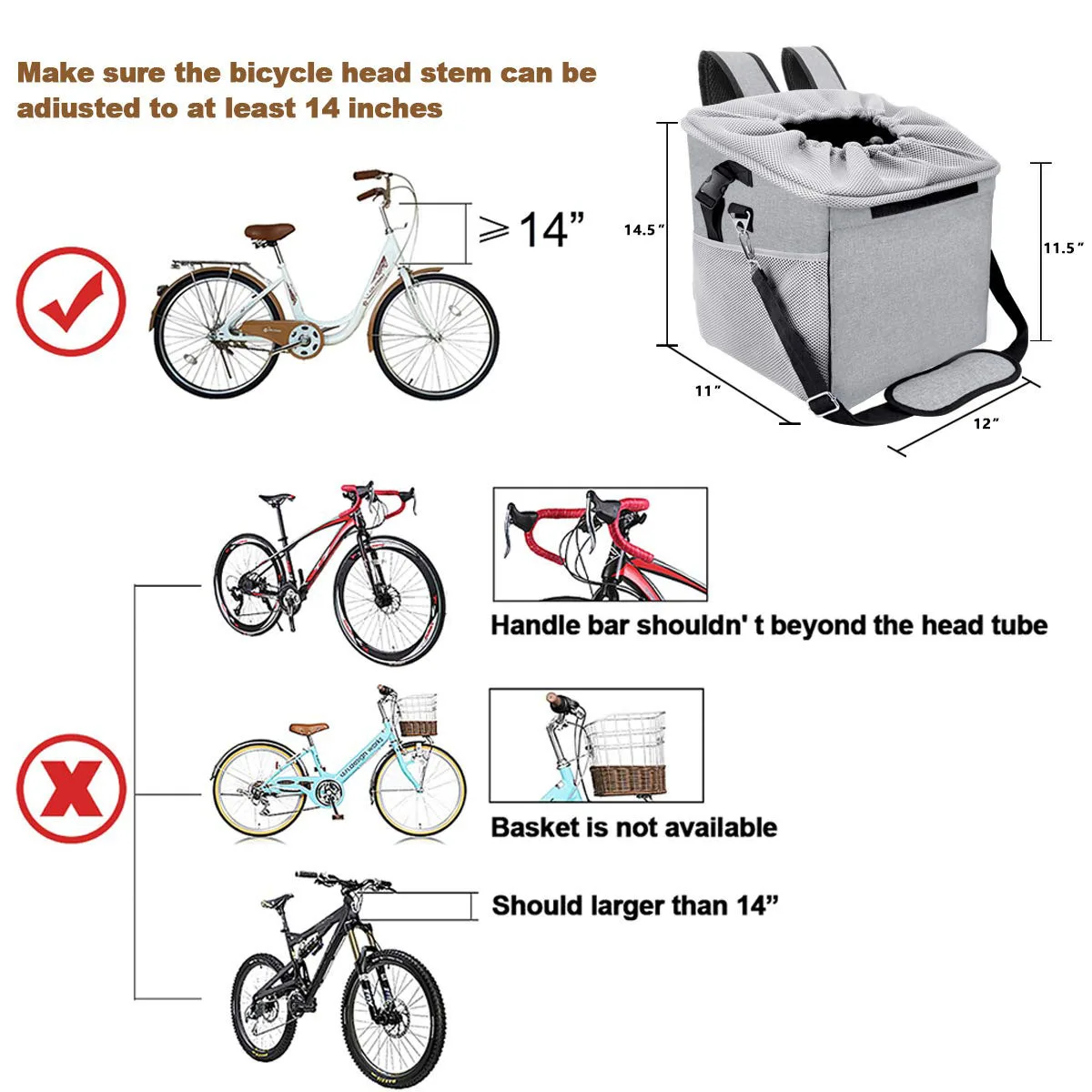
Hygienic design in a soft product comes down to denying microbes a place to live. Three requirements do most of the work: a non-porous face, a non-absorbent interior, and a construction without crevices. A non-porous face such as PVC vinyl or a TPU laminate leaves nothing for liquid to enter and can be wiped to a verified standard. A closed-cell or hydrophobic padding means the interior never becomes a reservoir. Bound or welded seams remove the channels where residue collects after every cleaning.
Thread and trim are the details that decide whether the design holds up. Standard absorbent thread wicks contaminated liquid into the seam, so a hydrophobic or bonded thread is specified on hygiene programmes. Mesh panels, which are excellent for ventilation, are poor for hygiene because they hold hair and residue; where both are required, place the mesh above the splash line or replace it with a perforated coated panel that can be wiped on the same routine.
Removable linings are the most effective hygienic feature available at wholesale scale. A liner that lifts out can be laundered at a defined temperature, which is a level of cleaning no wipe can achieve, and it gives the operator a rotation system. Specify the liner attachment so that removal takes seconds, since a liner that is awkward to remove will be left in place and the benefit disappears.
One material risk deserves its own line: low-grade foam and some adhesives release volatile compounds that make a new product smell unpleasant and lead customers to conclude it is unhygienic. Screen padding and adhesives at material approval and require cartons to be aired before packing.
Hardware is part of hygienic design and is usually overlooked. Exposed rivets, snap fasteners and zipper sliders create small pockets that hold residue and that corrode under disinfectant exposure, and corroded hardware stains the surrounding fabric permanently. Specify covered or welded attachment points, coated zipper tape and corrosion-resistant alloys, then include them in the wipe validation so that the whole assembly is tested, not only the fabric panel.
Wash Validation: Does the Product Survive the Hygiene Protocol
A hygiene claim is only as good as the cleaning routine that supports it, and the routine has to be validated against the actual product. Start by establishing what the customer does: a wipe with a quaternary ammonium product several times a day, a weekly machine wash at 60 C, or a thermal disinfection cycle. Each places a different load on the materials, and a product approved for the first may be destroyed by the third.
Validation is then a cycle test. Run the specified number of cycles on the actual assembled product, then re-test for antimicrobial reduction, visual condition, dimensional stability and seam integrity. A realistic programme is 100 wipe cycles for a clinical surface product and 30 to 50 machine washes for a washable consumer product, with acceptance defined as no cracking, no stiffening, no delamination and a retained reduction above the agreed threshold.
Temperature is the variable that most often invalidates a claim. A liner described as washable at 30 C may shrink, distort or delaminate at 60 C, and a professional operator who wants thermal disinfection will use 60 C regardless of the care label. Decide the target temperature at specification stage and test to it, because discovering the limit after launch means recalling the instruction rather than changing the product.
Finally, write the validated protocol onto the care card in the customer's language, including the agent, the method, the temperature and the cycle limit. That card is what makes the hygiene claim operational, and it is also the document that protects the importer when a product is used outside the validated routine.
Documentation and Certification Behind a Hygiene Claim
A hygiene claim is a documentation exercise as much as a product one, and buyers should assemble the file at sample stage rather than at shipment. The core set is the antimicrobial test report for the construction, the material safety certificate for animal-contact surfaces, the cleaning compatibility statement for the validated agents, and the quality system certificate for the production base.
Animal-contact surfaces are best covered by OEKO-TEX Standard 100, which is the certificate most European retail and professional buyers request by name. Quality management under ISO 9001 matters here because it governs the calibration of the equipment used in testing and the traceability of the fabric lot, which is what makes a report defensible during an audit.
Regulatory substance questions sit underneath the hygiene claim and are handled through ECHA for the European market, since treated articles presented as antimicrobial fall within the Biocidal Products Regulation. The active substance has to be approved for the relevant product type and the declaration has to name it. Importers who cannot name the substance in their file are the ones whose listings get pulled.
Keep the file indexed by purchase order and fabric lot, and issue a one-page hygiene summary per SKU for your sales and compliance teams. That summary, listing the test method, the reduction figure, the validated cleaning protocol and the certificate references, is what turns a technical file into a sales asset and answers the professional buyer's question in a single page.
A hygiene claim travels with paperwork, and the paperwork is where most programmes fail. The report must name the test organism, the method reference, the contact time and the log reduction achieved, and it must be issued against the exact article shipped including the finish batch. A generic mill certificate for the base fabric does not cover the finished bag.
Cost Structure, MOQ 500 and Price Banding
Hygienic design costs money in four places, and the order of value is not the order most buyers assume. A non-porous face adds 0.30-3.20 USD per metre depending on whether you choose vinyl, PU-coated polyester or TPU. Bound or welded seams instead of topstitched welts add 0.20-0.60 USD per bag. A removable liner adds 0.80-2.20 USD. The antimicrobial finish itself adds 0.25-1.10 USD per metre and is, on this list, the item that delivers the least on its own.
Testing and certification are fixed costs rather than unit costs and they behave accordingly. A laboratory antimicrobial report costs a few hundred USD and covers a construction across all colourways, so it amortises quickly on a 1,000-piece programme and slowly on a 500-piece one. Where a biocidal declaration is needed, the documentation effort is per substance, which is a strong argument for standardising one approved chemistry across the whole line rather than approving a different one per SKU.
MOQ behaviour follows the standard pattern for the category. MOQ 500 pieces per colourway is where fabric, finish and trim minimums stop dominating unit price, and price steps at 500, 1,000 and 3,000 pieces with the sharpest movement between 500 and 1,000. Terms are FOB Xiamen with T/T 30/70. Treated fabric carries a mill minimum for the application bath, so confirm it at quotation stage rather than discovering it at order placement.
Spare liners deserve a line in the first order. Ordered with the bags they share the fabric lot and cost 1.20-3.40 USD each, and a rotation system is the most effective hygiene measure available to a professional operator. Selling them as an accessory also creates a reorder that costs almost nothing to service.
There is one place where spending more is genuinely justified and one where it is not. Spending on a non-porous face and a removable liner is justified in every professional channel, because both reduce the labour cost of every single turnaround and they last the life of the product. Spending on a premium antimicrobial chemistry for a dry-climate retail programme is not, because the customer will wash the liner and never notice the difference. The discipline is to match the spend to the cleaning routine rather than to the marketing headline.
Sampling, Bulk Scheduling and AQL 2.5 Inspection
Sampling a hygiene programme is longer than a standard bag because validation testing has to be completed on the sample. After the surface material, seam method and liner are confirmed, allow 6-10 working days for a prototype, plus three to five days for microbial testing and up to two weeks if a full cycle validation is commissioned. Approve on the completed protocol rather than on the sample's appearance.
Bulk production runs 35-50 days after approval and deposit. The critical path is the treated or coated fabric, which is produced after dyeing, so a late colour decision resets the schedule. Confirm the fabric booking at deposit and hold the chemistry constant after approval, because changing the substance changes the regulatory file as well as the product.
Inspection follows AQL 2.5 for major defects and AQL 4.0 for minor defects, with hygiene-specific definitions written into the plan. Major items include a substituted face material, a missing or non-removable liner where specified, topstitched welts where bound seams were ordered, and an off-gassing odour detected on unpacking. Minor items include print misalignment and light surface marking that does not affect cleanability.
Release documentation should include the inspection report, the antimicrobial report for the construction, the cleaning compatibility statement, and the material certificate for contact surfaces. Ship the hygiene summary with the goods rather than with the invoice, because the professional customer who needs it needs it at goods-in, not at payment.
Add finish verification to the inspection plan. A visual check cannot confirm an anti-microbial treatment, so our production team runs an ATP swab against a written limit at receiving and again on finished goods, and records lot numbers for the finish concentrate. Without those two records, the claim is unverifiable once the goods leave the floor.
Channel Requirements: Clinical, Boarding, Transport and Retail
Each channel applies hygiene differently, and the specification should follow the channel rather than a generic standard. Clinical and veterinary buyers work to a documented turnaround protocol between patients, use specific disinfectants, and increasingly verify with ATP swabs, so they need a non-porous surface, bound seams, a validated agent list and a cycle rating. Boarding and transport operators care about throughput and rotation, so removable liners and spare sets matter more than any finish.
Retail and marketplace channels care about documentation and wording. They want a certificate they can file, a claim they can defend, and care instructions that match the product. The specification for that channel often does not need the clinical level of construction, but it does need a complete file, because the review happens on paper rather than in use.
There is one requirement common to all three: the care instructions must match the validated protocol. A bag sold into a clinical channel with a 30 C wash label will be washed at 60 C anyway, so either specify to 60 C or sell it into a channel that wipes. Mismatches between the label and the actual use are the source of most premature failures in this category.
The commercial advice for importers is to build two specifications rather than one. A clinical specification with a non-porous face, welded or bound seams, validated disinfectant compatibility and a liner rotation, and a retail specification with a coated polyester face, bound seams, a washable liner and a complete certificate file. Both are honest, both are auditable, and each is priced appropriately for its channel.
Boarding and clinical accounts ask a different question from retail. They want the cleaning protocol the product survives, not the marketing benefit, so supply wash-cycle validation and a stated disinfectant compatibility list. Accounts that run industrial laundry at 71 C will reject a bag validated only to 40 C regardless of how strong the hygiene data looks.
Writing a Hygienic Design Checklist Into Your RFQ
The most reliable way to buy this category is to make the RFQ do the work. Open with the surface: material family, coating weight or film type, and the contact-surface certificate required. Then specify the construction: bound or welded seams, hydrophobic thread, radiused interior corners, removable liner with a defined attachment method, and the ventilation approach with its position relative to the splash line. Each of those is a drawing note, and each removes a cleaning problem later.
Next, specify the treatment: the chemistry family, the reduction required, the method it will be tested under, and the retained reduction after the specified number of cycles. Then specify the validation: the cleaning agents the product must tolerate, the number of cycles, the temperature if a wash protocol applies, and the acceptance criteria after cycling. This is the part most RFQs omit, and it is the part that decides whether the product works in service.
Finish with the commercial and documentation block: quantity per colourway, target port, payment terms, inspection level, and the exact documents required at shipment. Ask each supplier to confirm which clauses they cannot meet. A factory that quietly omits the cycle validation clause has told you something useful about how the programme will be managed, and it is better to learn that before the deposit than after the inspection.
Keep the RFQ to two pages and keep the acceptance criteria testable. Buyers who send a twelve-page document get a skimmed response and a product built on assumptions; buyers who send two precise pages get quotes that can be compared line by line and a sample that passes on the first round. In this category that difference is worth four to six weeks of calendar and one full sample cycle.
Close the RFQ with a named acceptance statement so there is nothing left to interpret at inspection: surface non-porous and validated against the listed agents for 100 cycles, seams bound with hydrophobic thread, liner removable and washable at the stated temperature, treated surface achieving 99 percent reduction under the named method and retaining 90 percent after the stated cycles, and cleaned assemblies reading below the agreed ATP threshold. A supplier who signs against that sentence has signed against the product the customer will actually use.
Why brands source here
- Pet bag programmes run since 2014; founding team in sewn goods since 2004
- SGS-verified production floor of 4,950 m² with 137 workers across 7 lines
- Monthly capacity of 200,000 units, audited to BSCI and ISO 9001
People Also Ask
What makes a pet bag hygienic?
A non-porous cleanable surface, a construction without crevices, a validated cleaning protocol and a treated surface that inhibits growth. All four are needed.
How do you test antimicrobial fabric?
By ISO 20743 or an AATCC method, comparing bacterial counts on treated and untreated specimens and reporting a percentage reduction.
Is antimicrobial the same as antibacterial?
Antibacterial refers to bacteria specifically; antimicrobial is broader and may include fungi. Both need a named method and organism to be meaningful.
Can pet bags be disinfected between animals?
Yes, if the surface was validated against the disinfectant. Require a 100-cycle wipe test on the actual face material before approval.
Do antimicrobial treatments wear off?
Gradually, through abrasion and washing. Specify the retained reduction after the agreed number of cycles rather than only the new-fabric figure.
Why does a new pet bag smell chemical?
Usually volatile compounds from low-grade foam or adhesive, not a hygiene issue. Screen materials at approval and air cartons before packing.
Frequently Asked Questions
Is an antimicrobial finish enough to call a pet bag hygienic?
No. Hygiene requires a non-porous cleanable surface, a construction without residue traps, and a validated cleaning protocol. The finish is one component of four, not the claim itself.
Which test method should we cite for antimicrobial performance?
ISO 20743 for textiles and the equivalent surface method for hard trim. Insist the report names the organism, the contact time and the specimen.
What is an ATP swab reading and why does it matter?
It is a rapid cleanliness indicator measured in relative light units and run by the operator's own staff. A target below 250 RLU proves the cleaning protocol works in daily use.
Can the bag be washed at 60 C for thermal disinfection?
Only if it was specified and validated for that temperature. Many liners validated at 30 C shrink or delaminate at 60 C, so decide the target before sampling.
Which disinfectants should the surface tolerate?
Name the agents in the specification and validate against the harshest the channel uses, typically quaternary ammonium or chlorine-based products, over at least 100 wipe cycles.
Are treated articles regulated in Europe?
Yes. Treated articles presented as antimicrobial fall under the Biocidal Products Regulation, so the active substance must be approved and named in your declaration.
What is the MOQ for a hygiene specification?
MOQ 500 pieces per colourway, with price steps at 500, 1,000 and 3,000. Treated fabric carries a mill minimum for the application bath.
Do mesh panels conflict with hygiene?
They can, because mesh holds hair and residue. Place mesh above the splash line or use a perforated coated panel so the whole interior follows one cleaning routine.
Should spare liners be ordered with the first shipment?
Yes. They share the fabric lot at 1.20-3.40 USD each and support the rotation system that professional operators depend on.
How long does validation testing add to sampling?
Add three to five days for microbial testing and up to two weeks for a full cycle validation on top of the 6-10 working day prototype build.
What documents should ship with the goods?
The inspection report, the antimicrobial report for the construction, the cleaning compatibility statement, the contact-surface certificate and the one-page hygiene summary.
Can one specification serve clinical and retail channels?
It can, but it will be overpriced for retail and underbuilt for clinical use. Two specifications, clinical and retail, price and perform better in each channel.
Talk to QUANZHOU JUNYUAN BAGS about a wholesale pet bag order: MOQ 500 pieces per colourway, samples in 6-10 working days, bulk production in 35-50 days under AQL 2.5 inspection.
Get a free quote Request a sample