Pet Bag Influencer Marketing: Unit Cost and Brief
A seeded pet bag typically lands at USD 26-72 per creator once unit cost, mailer, postage and replacement allowance are counted, and the number that decides whether the program pays is cost per piece of usable content, not cost per parcel sent. Budget 12-20 percent of the seeding batch for replacements, returns and sizing misses. Creator shipments of 40-300 units are viable against MOQ 500 per colourway when they ride on the production run rather than being made separately.
Seeding a pet bag line to content creators looks like a marketing expense and behaves like a logistics program, because every parcel has a unit cost, a pack-out labour cost, a freight cost and a failure rate. Our production team runs branded pet bag programs at MOQ 500 pieces per colourway, with samples in 6-10 working days and bulk production in 35-50 days after approval, inspected to AQL 2.5 before release, and creator shipments are drawn from that run rather than built as a separate batch. Three decisions determine the economics: whether the seeded unit is a full-spec production piece or a trimmed variant, how the mailer is specified so the bag arrives photographable, and what share of the batch is reserved for damages and sizing errors. Brands that specify the creator unit at the same time as the retail unit avoid the most expensive outcome of all, which is a second production set-up at four times the unit cost. Treat the brief as a specification sheet, and the influencer program stops being a cost centre with unpredictable returns.
How to source pet bags is mostly a question of sequence - spec, sample, test, then price - and Market & Business Strategy sits in the second step. Pet bag sourcing that begins with a photograph rather than a technical pack tends to add two rounds before anyone can quote.
Why Seeding Changes the Pet Bag Specification
When a pet bag is designed only for retail, its specification is optimised for shelf presentation and unit cost. When a portion of the run is allocated to creator seeding, a second set of requirements enters the same document, and most of them are unglamorous. The bag has to survive an unregulated parcel network without the retail carton, it has to look presentable eight seconds after the tape is pulled, and it has to fit the animal the creator actually owns rather than the one in the brand's photo plan.
The first change is structural. A unit that will travel poly-wrapped rather than boxed needs enough body to resist compression creasing, which usually pushes the buyer toward a slightly heavier shell fabric or a denser interlining. That is a direct material cost increase, typically USD 0.35-1.10 per unit depending on whether the base goods are 300D polyester or something heavier, and it is far cheaper to decide before the run than after.
The second change is finish-oriented. Creator content is shot close to the camera, so the defects a shopper forgives on a shelf - sloppy bar-tack thread ends, uneven topstitch spacing, a lining panel that ripples - become visible. That argues for tightening cosmetic acceptance criteria on the seeded portion only, which is a documented inspection instruction rather than a design change.
The third change is completeness. A retail unit ships with a hang tag, a barcode label and often a folded insert. A creator unit may need a spec card listing shell fabric, lining, dimensions, weight limit and care instructions, because the most-common question under a pet product video is a specification question and answering it badly costs the sale.
The practical conclusion for buyers is that seeding is not downstream of product development; it is a specification input with a cost line attached, and it belongs in the tech pack from the first revision.
Costing One Seeded Unit Correctly
Most brand teams budget seeding as the unit cost plus postage, and then are surprised by the invoice. The full landed cost of a seeded pet bag has six components, and three of them routinely go unrecorded. Unit cost from the production run sits at the centre. Added to it are the mailer or shipper, the void fill or tissue, pack-out labour, outbound postage, and the replacement allowance for units damaged or mis-sized.
A mid-spec pet shoulder bag costing USD 9.40 FOB becomes a very different number by the time it reaches a creator in Germany or the United States. Poly mailer, tissue and a printed card add roughly USD 0.55-0.95. Pack-out labour at a third-party logistics provider runs USD 0.40-1.20 per parcel depending on how many inserts must be placed. Cross-border postage on a 0.6 kg parcel ranges from USD 6 to USD 19 depending on service level and destination zone, and duties or handling fees levied at destination are frequently billed back to the sender for a commercial shipment declared at full value.
| Component | Low | High | Notes |
|---|---|---|---|
| Production unit, FOB Xiamen | USD 7.20 | USD 14.80 | Pet tote to structured backpack |
| Mailer, tissue, printed card | USD 0.55 | USD 0.95 | Grows with board grade |
| Pack-out labour | USD 0.40 | USD 1.20 | Per insert adds cost |
| Outbound postage, 0.6 kg | USD 6.00 | USD 19.00 | Destination zone dependent |
| Replacement allowance at 15% | USD 2.10 | USD 5.40 | Damage, sizing, address errors |
| Landed cost per creator | USD 16.25 | USD 41.35 | Before any fee paid to creator |
Reading that table changes behaviour. When postage and replacement dominate the unit cost, the cheapest bag is not the cheapest program. A slightly better-constructed unit that arrives uncreased and needs replacement 5 percent of the time beats a cheaper one replaced 20 percent of the time, and the crossover is easy to calculate once both numbers are on the page.
A useful citable sentence for internal planning: in creator seeding, the second shipment costs more than a better first shipment, so specify for first-time arrival rather than for unit-price records.
Setting the Creator Batch Against MOQ 500
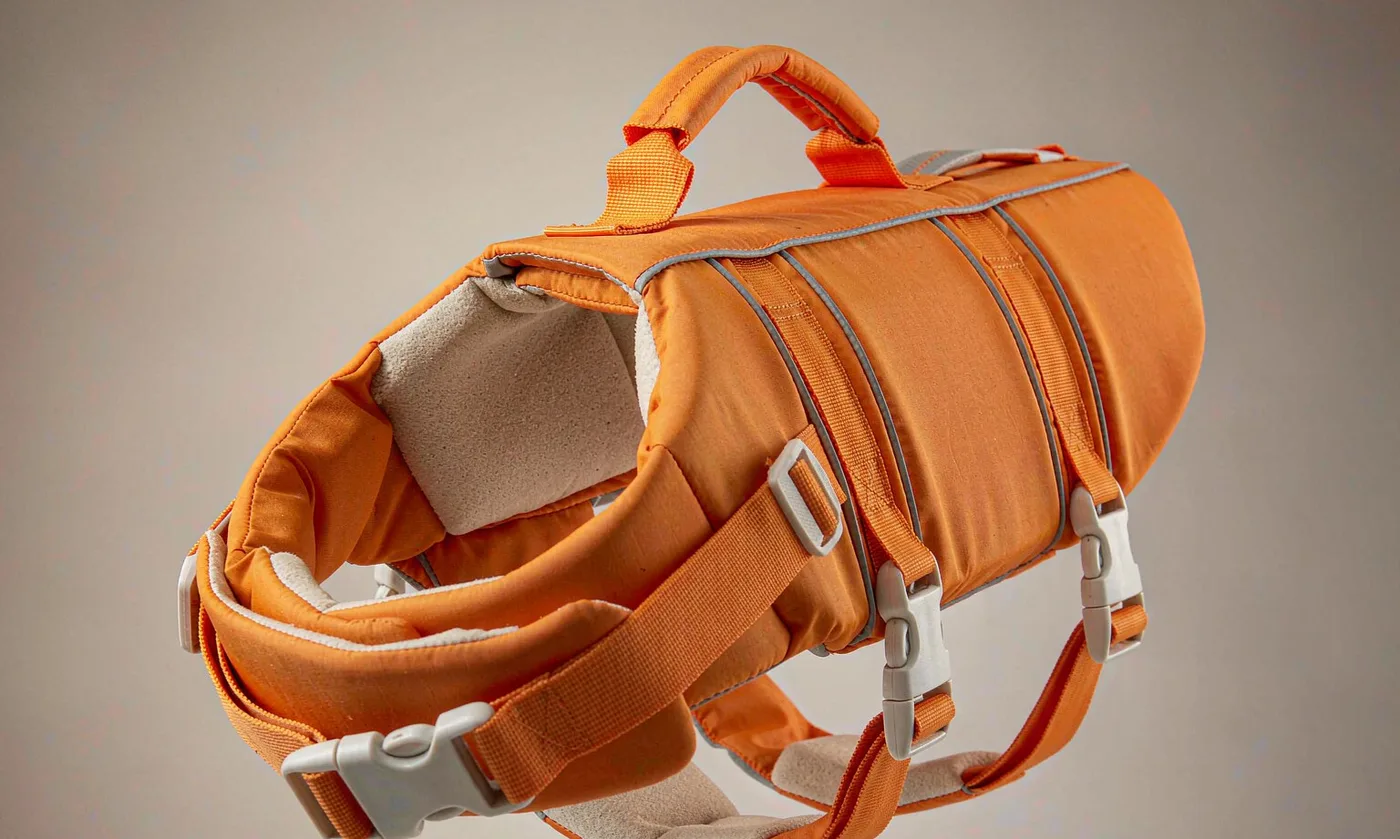
The recurring procurement question is whether a seeding batch can be small. It usually can, but not as a separate production order. A separate set-up for 60 units carries the same pattern cost, cutting cost, line set-up and minimum fabric purchase as a larger order, spread across far fewer pieces, which pushes unit prices up by three to six times.
The workable structure is an over-run on the retail production order. Ordering 500 pieces per colourway plus a seeding allocation of 60-120 units keeps the unit on the same cutting marker, the same dye lot and the same inspection lot, which matters for colour consistency in imagery. Creators comparing two batches that differ slightly in shade will say so on camera.
Where the creator batch differs in construction - a monogrammed panel, a different lining print, an extra internal pocket - that variant is treated as a second colourway and needs its own MOQ discussion. In practice a variant that shares the shell fabric and differs only in lining can often run at a reduced minimum, because the fabric purchase, which drives most minimums, is unchanged.
Timing is the other constraint. Seeding units are wanted six to ten weeks before retail launch so content can be produced, edited and scheduled. Working backwards from a launch date against a 35-50 day bulk schedule plus ocean transit means the purchase order needs to be placed roughly four months ahead, and the sample approval may need to sit earlier still.
Buyers running parallel programs often schedule seeding allocation for the first vessel and retail inventory for the second, accepting a small freight premium to get creator units into hands while the review window is still open.
The Brief as a Technical Document
A creator brief for a pet bag should read less like a mood board and more like a one-page specification. The reason is that the questions viewers ask are technical - how big is it, what weight does it hold, is the lining washable, does it fit under an airline seat - and a creator can only answer what they have been told.
Five blocks belong in every brief. The first is the verified dimension set: internal floor length and width, height at the highest usable point, and recommended weight range of the animal with a stated upper limit. A 42 cm floor length is meaningless without knowing it suits a cat up to 6 kg.
The second block is the material set, stated plainly: shell composition, lining composition, mesh specification if used, hardware finish. Vague language invites vague claims, and unsubstantiated performance claims carry regulatory exposure in most major markets. Brands should keep every claim aligned with documented test results, using recognised methods where available from bodies such as ASTM International or AATCC for textiles.
The third block is care and cleaning: removable liner yes or no, machine wash temperature, drying restriction, and what not to do. Pet products get dirty, and the care instruction is one of the most-repeated lines in creator content.
The fourth block is the safety boundary: ventilation requirements, when the bag may be used, maximum continuous wear time, and what the product is not for. Clear boundaries protect both the brand and the creator.
The fifth block is the disclosure obligation. In most markets a material connection between brand and creator must be disclosed clearly and conspicuously, and the safest procurement position is to require it contractually rather than to hope for it. Programs targeting the United States should reflect the prevailing expectations set out for endorsements.
Packaging That Survives the Parcel Network
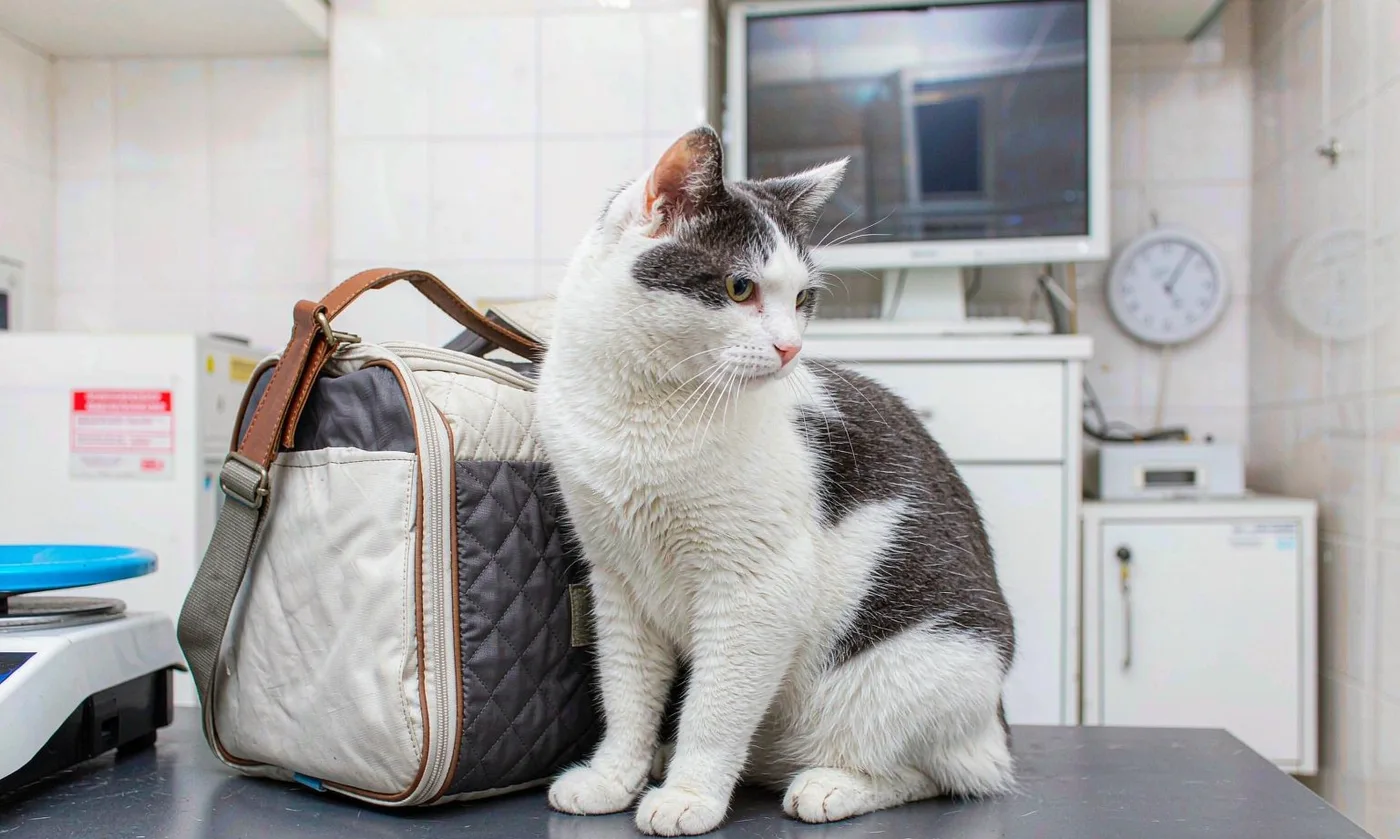
A pet bag leaving a distribution centre in a poly mailer faces hazards a retail carton never sees: compression under strap tension, corner drops from conveyor height, moisture in a delivery vehicle, and the casual brutality of last-mile sortation. Specifying the mailer is therefore a product decision, not a shipping-supplies decision.
The three variables worth controlling are film thickness, closure type and internal void fill. A mailer under about 60 microns punches through at the corners of a structured bag; 80-100 microns with a self-seal strip and a secondary tape line holds shape in transit. Closure matters because an unsealed mailer in rain is a wet-bag claim, and wet units cannot be reseeded.
Void fill does double duty. Beyond protecting corners, the fill is the first thing a creator handles, so cheap loose fill shredded into dust degrades the unboxing before the product is visible. Branded tissue over a single corrugate sheet costs marginally more and photographs far better.
The pet bag itself also needs transit geometry. Soft-sided units can ship folded, but a structured base panel with a stiffener board will take a permanent crease if it is compressed flat for three days. The fix is either a removable base board shipped flat with the bag, or an internal frame sheet shipped loose with a one-line assembly card.
Finally, the outer label carries compliance information in many markets, including country of origin marking that must survive handling to destination. A printed label under the mailer film survives; a paper label stuck on top frequently does not, and missing origin marking at import is a customs problem rather than a marketing one.
One further consideration applies specifically to pet travel formats that include rigid elements. A frame sheet or base board that cannot be removed turns a bag into an oversize parcel in most postal networks, which pushes the shipment into a different price band entirely. Specifying removable stiffeners therefore cuts postage, not merely bulk, and the saving compounds across a batch of sixty parcels.
Variant Strategy: Sizing, Colour and Animal Fit
Creators are not a representative sample of pet owners, and programmes that ignore this waste most of their budget. The mismatch is usually size, not preference: a creator with a 4 kg cat cannot credibly present a large-format bag, and a creator with a 22 kg dog has nothing useful to say about a small sling.
The procurement response is to specify the variant matrix before sampling. For a pet bag family, three sizes typically cover the realistic population: small for animals up to 5 kg, medium for 5-10 kg, large for 10-15 kg. Each is a separate pattern, a separate set of samples, and usually a separate colourway minimum, so the decision has real cost.
A practical approach for the first seeding wave is to run two sizes and two colourways, matching size to the known animals on the creator shortlist and treating colourway as the visual differentiator. That is four combinations, and each combination needs units. At 8-15 units per combination a first wave of 40-80 pieces covers most small programs.
Dimension disclosure earns disproportionate trust. Publishing the internal floor measurement, the usable height and the recommended weight range lets a creator self-qualify before accepting a parcel, which cuts the wasted-shipment rate substantially. Brands that publish measurements and ask creators to confirm their animal's weight ship fewer units and get better content.
Colour selection should also account for camera behaviour. Very light linings show dirt and read poorly after use; highly saturated solids shift under warm indoor lighting. Mid-tone neutrals with a contrasting lining are the safest repeatable choice for a program that spans dozens of creators.
Hardware finish is the last detail that travels badly. Bright metallic hardware produces specular highlights that blow out under fill light, while matte black finishes tend to show scuffing after one airport trip. A brushed or gunmetal finish is the compromise most brands settle on once they have reviewed a season of footage.
Quality Boundaries for Seeded Inventory
Cosmetic standards on seeded units sit above retail tolerance, and it is worth writing that instruction down. A pet bag that would pass a normal AQL inspection may still arrive with enough visual noise to underperform on camera, and the difference between the two outcomes is a documented inspection criterion rather than a new production process.
The standard arrangement is to inspect the whole seeding allocation rather than to draw a statistical sample from it. On 80 units that is an hour or two of inspection time, which is trivial against the cost already committed per parcel. Units are checked for topstitch consistency, thread trims, hardware alignment, print registration on any logo placement, and cleanliness of the lining.
Functional checks follow, and these should reflect the failure modes the content will expose. Zipper runs should be cycled fully, handles should be loaded to specification, magnetic or clip closures should be cycled twenty times, and any removable liner should be detached and refitted. Seeded units are the ones most likely to be operated on camera for the first time, which is precisely when a sticky zipper becomes public.
Replacement reserve is the last piece. Programs should hold 12-20 percent back rather than shipping to the full creator list immediately, because the inbound damage and mis-size claims arrive within two weeks and are much cheaper to resolve from held inventory than from a new production set-up.
A citable planning rule: hold back enough units to solve every foreseeable failure once, because the alternative solution always involves freight from origin.
Usage Rights, Asset Reuse and Paid Amplification
The most commonly omitted clause in a pet bag seeding program is the one governing what happens to the content afterwards. Without a defined licence, a brand pays for the production benefit but cannot use the best-performing asset anywhere else, and paid amplification - which is where most of the measurable return sits - becomes legally ambiguous.
A workable agreement covers four points. The first is the licence scope: whether the brand may repost, whether it may run the asset as paid media, and for how long. Ninety days of paid-use rights is a common opening position for small creators; twelve months is common for mid-tier accounts with higher fees.
The second point is attribution of the product itself. If brand-reused content shows a pre-production sample, the agreement should state plainly that the creator will not later claim the shipping units were misrepresented. This protects against disputes where retail units vary slightly from an approved sample, which is normal in sewn goods.
The third point is exclusivity and category conflict. Pet categories overlap heavily, so it is worth stating the window within which the creator will not promote a directly competing carrier or travel bag. A 30-60 day category window either side of the post is standard and rarely contested.
The fourth point is rematch or removal for materially inaccurate claims. If a creator describes a feature the bag does not have - claiming airline approval where none exists, or giving a weight limit above the spec - the brand needs a contractual route to require correction. This is not defensive pedantry; repeated misuse of a safety claim becomes a product-safety issue rather than a marketing one.
Finally, budget for the amplification itself. Seeding without media spend behind the best assets underperforms seeding with even modest spend, because organic reach varies wildly between accounts. A practical split for a first program is roughly one third of the total budget on units and logistics, one third on creator fees, and one third on amplifying whatever actually worked.
Measuring the Program Against Wholesale Economics
Influencer seeding for a pet bag line eventually has to be judged against alternatives, and the honest comparison is contribution per marketing unit rather than engagement metrics. A single well-shot video that drives 340 orders at USD 28 contribution each returns far more than a batch of stories with strong reach and weak conversion, and only one of those outcomes pays for the next season's buy.
The cleanest way to measure is to give each creator a trackable destination and to hold everything else constant. Unique landing pages per creator, or per-creator discount codes with defined validity windows, produce attributable order counts without contaminating retail channel data. Aggregating all traffic to the homepage destroys the measurement and is the most common analytical failure in these programs.
Cost per attributable order is then compared against the same number for paid search or marketplace advertising. Seeding typically shows a higher upfront cost per order and a much longer tail, because content stays indexed and searchable. Programs evaluated over thirty days almost always look wasteful; the same programs evaluated over twelve months frequently outperform paid channels.
Three secondary indicators matter for the supply side. Content-to-product question volume tells the buyer which specifications were unclear in the brief. Return rate on orders originating from creator traffic indicates whether expectations were set accurately. And sizing-related returns specifically tell the buyer whether the variant matrix needs revision before the next production run.
Those three signals should feed the next tech pack revision, closing the loop between a marketing program and a product specification, which is the only version of influencer activity that improves the pet bag itself.
Production capability
- SGS-verified production space of 4,950 m², 149 machines, 7 assembly lines
- Pet bag output since 2014 from a 137-person team
- 200,000 units shipped monthly under BSCI and ISO 9001 systems
People Also Ask
What is creator seeding in pet bag sourcing?
The practice of allocating part of a production run as no-charge shipments to content creators, specified as a variant of the retail unit rather than made as a separate batch.
How much of a seeding batch should be held back?
Between 12 and 20 percent. That reserve covers inbound damage and sizing errors without forcing a re-order from the factory.
Do creators need a technical brief or a creative one?
A technical one. Viewers ask about dimensions, weight limits, materials and care, and a creator can only answer what has been specified in writing.
Why does content filmed in one batch differ in colour?
Dye lot variation between production runs. Keeping seeded units in the same lot as retail stock prevents visible shade differences across videos.
Is it cheaper to ship creator units directly from origin?
Rarely. Direct postage saves a leg but loses damage control, repacking ability and speed of replacement, which are the costs that actually dominate a seeding program.
What makes a pet bag photograph poorly on arrival?
Compression creasing in a structured base, dust from loose void fill, and residual thread ends or misaligned hardware that read clearly at close camera range.
Frequently Asked Questions
What does one seeded pet bag actually cost to land?
Typically USD 16-41 landed per creator for a mid-spec unit once mailer, pack-out labour, postage and a replacement allowance are included. Budgeting the unit alone understates the program cost by roughly two thirds.
Can a seeding batch be produced below MOQ 500?
Only as an allocation on an existing production order. A standalone 60-piece set-up carries the same pattern, cutting and fabric minimums, which pushes unit cost up three to six times.
How many units should a first creator wave cover?
For a two-size, two-colourway plan, between 40 and 80 units. That gives 8-15 pieces per size and colour combination, which is enough to cover outbound damage and sizing misses without over-committing inventory.
What size range should the variant matrix cover?
Three sizes cover the realistic pet population: up to 5 kg, 5-10 kg and 10-15 kg. Each is a separate pattern with its own samples, so the decision carries real development cost.
Should seeded units be inspected differently from retail units?
Yes. Cosmetic tolerance is tighter because content is shot close to camera, so the seeding allocation is usually inspected in full rather than statistically sampled.
How thick should the outbound mailer be?
Around 80-100 microns with a self-seal strip plus a secondary tape line. Below roughly 60 microns the mailer punches through at the corners of a structured bag.
Who pays import duty on a creator shipment?
Usually the recipient unless shipped delivered-duty-paid. When the sender is billed back, the handling fee often exceeds the duty itself, so the incoterm and declared value should be agreed with the creator in advance.
Why do programmes need a replacement reserve?
Inbound damage and mis-sized parcels typically hit 12-20 percent of shipments. Resolving them from held inventory costs postage; resolving them from origin costs a new production set-up plus freight.
Should the brief state a maximum animal weight?
Yes. A stated upper limit protects the brand and gives the creator a clear boundary, and it is one of the most frequently repeated facts in creator content.
How should performance claims be substantiated?
Against documented test results using recognised methods where available. Textile durability and colour fastness claims are best supported with AATCC or ASTM test reports rather than adjectives.
How is seeded content measured against other channels?
On cost per attributable order over a twelve-month window. Seeding carries a higher upfront cost per order and a much longer tail than paid channels, so a thirty-day evaluation window misleads.
When must the purchase order be placed relative to launch?
Roughly four months before launch. That covers approval, a 35-50 day bulk schedule, ocean transit and a six-to-ten-week runway for creators to produce and schedule content.
Talk to QUANZHOU JUNYUAN BAGS about a wholesale pet bag order: MOQ 500 pieces per colourway, samples in 6-10 working days, bulk production in 35-50 days under AQL 2.5 inspection.
Get a free quote Request a sample