Pet First Aid Kit: Wholesale Medical Pouch Buying Guide
A wholesale pet first aid kit should use a 3-6 liter high-visibility medical pouch with 4-8 labeled zones and a target FOB Xiamen cost of USD 5.50-14.00 at MOQ 500. The safest scalable format supplies organized storage and nonmedicated tools while leaving drugs, treatment choices, and clinical instructions to veterinarians and qualified local partners.
Medical-positioned pet bags require tighter boundaries than ordinary accessory kits. Buyers must distinguish an empty first aid organizer, a nonmedicated tool set, and a regulated medical or pharmaceutical package. The first two can be sourced as durable goods with controlled materials, clear labels, and objective inspection criteria. The third requires market-specific expertise beyond a soft-goods program. Good procurement therefore begins with access, visibility, contamination control, component traceability, and wording review rather than with the maximum number of pieces.
Standard commercial terms are MOQ 500 units or completed approved sets per colorway, samples 6-10 working days after the layout and component list are frozen, bulk 35-50 days after signed approval, and final inspection at AQL 2.5. Payment is T/T 30/70 and pricing is FOB Xiamen unless otherwise agreed. Our production team coordinates pouch construction, removable organizers, labels, printed inventory cards, and documented partner-facility tools through an SGS-verified production base. No generic kit should claim to diagnose, treat, or replace veterinary care. The commercial objective is a dependable storage platform that helps retail, travel, workplace, shelter, and service channels keep qualified supplies visible, clean, and countable.
Pet bag moq is quoted per colourway, not per order, so Pet Bag Types & Styles planning decides how many shades a launch can carry. A pet bag wholesale price that looks attractive at 500 units often shifts once the dye-lot minimum is added, and pet bag sample cost is normally credited back against the first production run.
Decide Whether You Are Buying a Pouch or a Medical Set
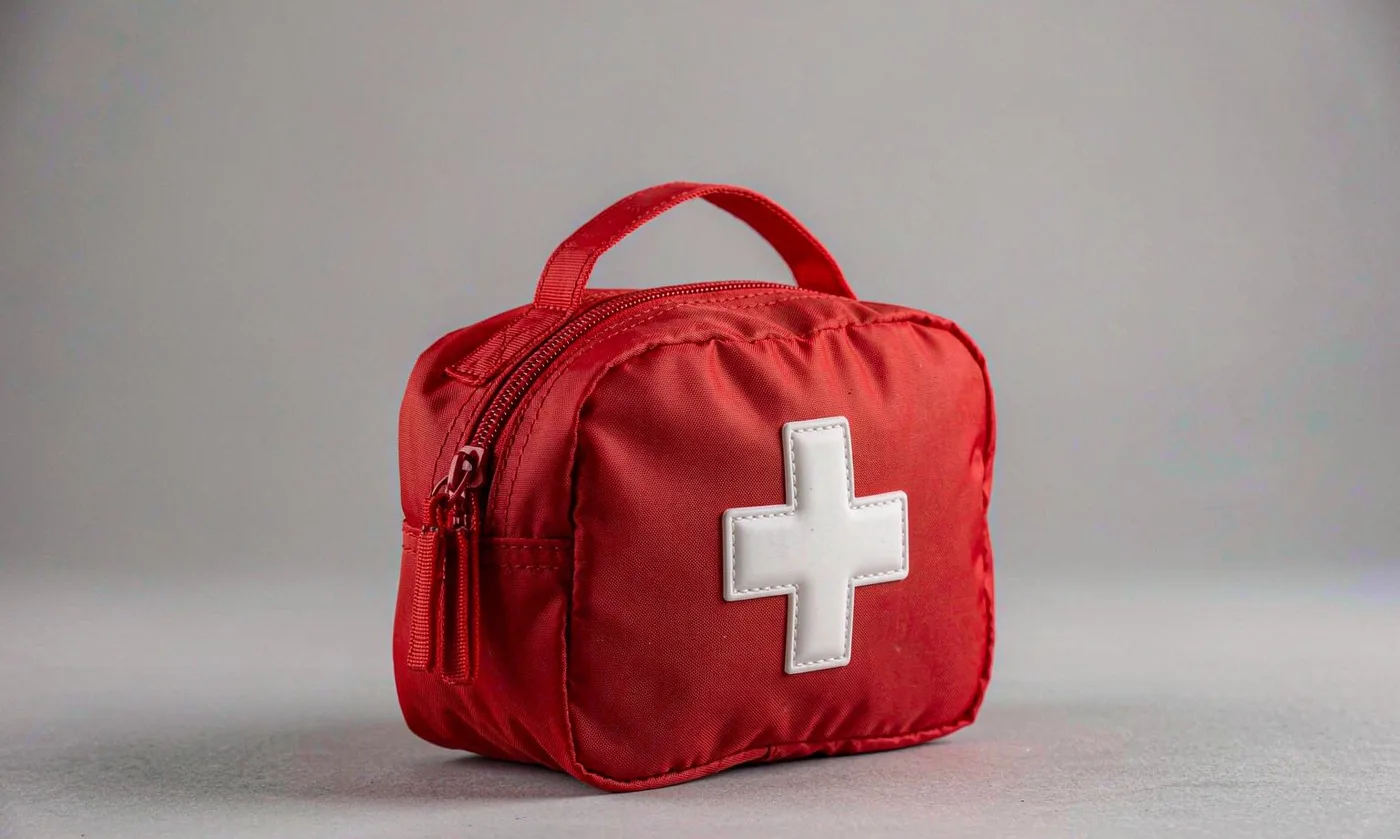
The product classification begins with the bill of materials and claims, not with the red cross printed on the exterior. An empty pet first aid pouch is a storage product. A set containing bandage scissors, nonmedicated gauze, tape, gloves, and empty containers may still be sold as an organizational tool, subject to market review. Once medication, antiseptic formulations, diagnostic devices, dosing guidance, or treatment claims are added, the compliance pathway becomes materially different.
Wholesale buyers should write an inclusion and exclusion schedule before requesting prices. The inclusion side can list the bag, dividers, labeled pouches, inventory card, nonmedicated textile components, and other approved tools. The exclusion side should state whether medicines, topical products, ingestible products, batteries, sharps, and liquids are prohibited. This protects the quote from casual substitutions and helps the compliance team review a stable product.
Channel ownership also matters. Veterinary groups and trained grooming networks may complete an empty pouch locally under professional protocols. Pet retailers often prefer an organizer with a clear list of owner-supplied categories. Outdoor brands may want a rugged pouch but should avoid implying field treatment competence. Employers, shelters, and transport operators may need controlled inventory seals or inspection dates rather than consumer gift presentation.
Use a descriptive title such as pet first aid organizer or veterinary-supply storage pouch where appropriate. Symbols and colors should be reviewed for the target market; do not assume that every medical emblem is available for commercial decoration. The insert can direct owners to seek professional assistance and to follow products supplied by their veterinarian.
The scope should remain consistent across package, listing, invoice, test plan, and training material. If an accessory is shown in images but not supplied, identify it as an example rather than part of the set.
A first aid bag is commercially controllable only when storage, tools, medicines, and professional guidance are treated as separate procurement categories.
Design the Interior Around Access and Contamination Control
Emergency access favors a book-opening pouch with a light interior, labeled modules, and restraint for every small item. A deep single compartment may be inexpensive, but it turns the user into a searcher when speed matters. The usual 3-6 liter capacity should be confirmed with the exact locally supplied contents and enough clearance for gloved hands.
Use removable zip pouches or transparent covered pockets for categories such as dressings, tools, gloves, and records. Mesh provides visibility but does not contain liquid or fine debris. A clear TPU or PEVA-style pocket can improve wipeability, subject to chemical and durability requirements. Elastic loops are useful only when their diameter and recovery are tested against the intended tools; generic loops often become loose or cannot accept boxed items.
Separate clean and used-item zones. A removable sealed waste pouch should be physically distinct from storage for clean supplies and should not be confused by color alone. Smooth lining surfaces, covered seam allowances where practical, and removable panels make routine cleaning easier. The product should not be described as sterile because ordinary bag production and packaging do not create or maintain sterility.
Opening orientation needs a simple usability test. Place the pouch on a floor, table, vehicle surface, and hanging hook; verify that contents do not fall out when the zipper opens fully. Handles should be reachable when the bag is closed, and a tamper-evident inventory seal should not block urgent access. For mobile professionals, a belt loop or removable shoulder strap may help, but anchors need their own load specification.
| Interior zone | Preferred format | Reason | Inspection point |
|---|---|---|---|
| Records | Splash-resistant sleeve | Keeps contacts visible | Paper fit and closure |
| Dressings | Covered clear pocket | Fast count and clean storage | Film cracking |
| Tools | Sized elastic and flap | Prevents movement | Loop recovery |
| Gloves | Flat labeled module | Supports replenishment | Capacity |
| Used items | Removable sealed pouch | Reduces cross-contact | Seepage test |
Fast identification and separation are more important than fitting one additional accessory into the medical pouch.
Specify Shell, Lining and Hardware for Cleanability
Medical-positioned storage is repeatedly handled on floors, counters, vehicles, and outdoor surfaces. Material decisions should therefore prioritize wipeability, coating stability, abrasion resistance, and low odor. A coated 600D polyester shell is a practical retail baseline. A 900D shell or high-tenacity nylon suits field and professional programs where abrasion is higher. A smooth coated lining is easier to wipe than open mesh or brushed fabric.
Water resistance needs a defined level. A coated shell and protected zipper can resist splashes, while a sealed removable interior pouch contains local leakage. This does not make the complete kit waterproof or suitable for immersion. Buyers that require stronger protection should define a complete-article test, zipper type, seam treatment, and acceptable ingress rather than relying on the fabric specification.
High visibility can come from an orange or red panel, contrasting pullers, reflective strip, or a large text patch. The color must remain stable after rubbing and cleaning. Dark linings hide soil but make small tools difficult to find; pale gray provides a useful compromise. Printed pocket labels should resist the intended wipe-clean process, and replaceable label cards are preferable where inventory categories vary by customer.
Hardware should be simple and operable with gloves. Two-way zippers with extended pull tabs are common. Metal pullers may feel premium but can corrode in damp storage, while documented acetal components reduce weight. Shoulder-strap hooks and carry handles should be tested with the fully stocked load. Sharp burrs or exposed wire ends are unacceptable in a product stored beside medical supplies.
Chemical requirements depend on market and retailer. The European Chemicals Agency is an authoritative source for EU chemical obligations, and OEKO-TEX explains recognized textile certification pathways. Match reports to the actual fabric, coating, print, and color.
A cleanable medical pouch is created by verified surfaces and removable containment, not by adding a medical-looking color to an ordinary bag.
Control Labels, Instructions and Professional Boundaries
Label content deserves the same approval discipline as physical construction. A pet first aid organizer can identify compartments, list supplied items, show material and care information, and provide fields for veterinary contacts and inventory dates. It should not prescribe treatment, dosing, wound care, or emergency decisions unless qualified professionals in the destination market own and approve that content.
A short safety statement can tell owners to contact a veterinarian or emergency service and to use only products appropriate for the individual animal. The American Veterinary Medical Association provides public animal-health resources that buyers can cite as an external reference. The package can also remind owners that supplies expire and that locally added contents need regular review.
Symbols must be selected carefully. Some medical emblems are protected or culturally specific. Use clear text, simple inventory icons, and the product's actual function rather than borrowed official appearance. Do not make the bag look like government-issued emergency equipment unless it genuinely belongs to such an authorized program and the responsible entity has approved the design.
Multi-language projects need professional translation and version control. Give every insert and pocket-label sheet an artwork number. Inspectors should compare the number, language, destination, and barcode before sealing retail units. QR codes can link to buyer-maintained pages, but printed fallback contact information remains useful when a phone has no service.
Retail photography should distinguish included tools from suggested owner additions. Use a separate panel labeled contents not included if staging requires extra objects. The warranty should cover product workmanship without suggesting that the pouch guarantees a clinical outcome. Product liability and local regulatory review belong with the brand owner before launch.
Medical-pouch labeling should make storage and inventory easier while leaving diagnosis and treatment unmistakably with qualified professionals.
Build the Quote From Capacity, Modules and Evidence
Price varies more with internal organization than with exterior size. A simple empty zip pouch with printed dividers may cost USD 5.50-8.00 FOB Xiamen at 500 pieces. A structured 4-6 liter organizer with removable clear modules, coated base, reflective detail, and retail packaging commonly costs USD 8.50-14.00. A rugged professional layout with higher-denier shell, premium zippers, multiple removable pouches, and stronger load performance can reach USD 15.00-23.00 before locally sourced contents.
Ask for separate lines for the shell, interior modules, labels, decoration, printed card, testing allowance, retail packaging, and kitting. Transparent film pockets and sealed pouches can contribute more cost than expected because material handling and leak checks are additional operations. A rigid presentation box may add cost without improving field use, while a molded internal tray reduces flexibility when supply dimensions change.
Evidence also has a price. Chemical tests, colorfastness checks, load tests, zipper cycles, and third-party inspection should be budgeted at the program level and amortized across order volume. Do not compare a documented product with an untested catalog pouch as though their quotes cover the same commercial risk. Confirm whether reports apply to the exact color and coating selected.
Value engineering should preserve opening access, cleanable lining, secure closures, identification, and handle strength. Reduce cost by standardizing shell color, printing replaceable label cards, using two removable modules rather than six permanently divided pockets, selecting established zipper specifications, and packing the pouch flat. A larger order may lower unit cost, but stocking too many fixed-layout pouches can be risky if local supply dimensions change.
Model the landed cost both empty and filled locally. Local kitting can improve regulatory control and expiry management even when its labor rate is higher. The correct comparison includes rejects, storage, assembly, and compliance administration.
The lowest-risk first aid pouch quote is the one that makes organization, testing, and locally controlled contents visible as separate cost lines.
Plan Sampling and MOQ Around the Final Inventory
MOQ is 500 units per colorway for established pouch constructions. A completed nonmedicated tool set may be limited by the minimums of scissors, gloves, dressings, print, or molded pieces, and those items should not be substituted without buyer approval. Empty organizer programs are easier to replenish because local operators can change inventory without reopening the bag specification.
Sample the pouch with the exact intended inventory, even when those contents will be sourced locally. A paper list is not enough to validate pocket sizes, opening direction, elastic tension, center of gravity, or packed thickness. The first sample should use stock materials to test layout. The next stage confirms color, label system, and hardware. The signed pre-production unit should include every supplied component, final insert, barcode, case mark, and packing orientation.
Samples require 6-10 working days after the inventory map and dimensions are final. Bulk production requires 35-50 days after approval and deposit. If tool components come from several partner facilities, the longest lead item controls the kitting date. Build extra calendar space for laboratory evidence, professional content review, third-party inspection, and destination registration where applicable.
Use a change-control form after approval. A new scissor profile, film formulation, glove type, label adhesive, or coating can affect fit, documentation, and claims. Replacement requires buyer sign-off and, where necessary, new testing. The production team should keep incoming lots segregated by code to prevent mixed inventory.
Commercial comparison should use T/T 30/70 and FOB Xiamen as the baseline. The SGS-verified production base has scale for soft-goods output, but first aid projects remain governed by component traceability and review speed. Buyers should avoid urgent launches that remove inspection or content approval from the schedule.
A medical pouch cannot be approved in the abstract; it must be sampled around the exact inventory and revision the customer will receive.
Inspect the Pouch, Every Tool and the Finished Set
Inspection begins with a controlled bill of materials. Each supplied item needs an internal code, supplier reference, dimensions, material description, approved sample, label, quantity, and applicable document. This is especially important when tools look similar but differ in edge finish, coating, or intended use. Unapproved substitution is a major risk in multi-component medical-positioned products.
For the bag, incoming checks cover shell weight, coating, color, lining, clear film, zippers, webbing, reflective material, and print. In-process control verifies pocket dimensions, label placement, seam cleanliness, covered edges, handle reinforcement, and correct opening direction. Removable pouches are tested to their specified closure or seepage requirement before assembly.
At final AQL 2.5 inspection, select sealed units across cartons and shifts. Count all components, inspect sharp edges, operate tools where the approved protocol permits, scan barcodes, compare language and artwork versions, and check the packing sequence. Fill the organizer to working load and repeat lifts. Open it on a flat surface and confirm that retained items remain secure. Critical defects include dangerous edges, false content labels, contaminated appearance, or materially incorrect medical claims. Missing tools, failed zippers, leaking modules, wrong inserts, and unreadable codes are major.
Test methods for textile strength, abrasion, colorfastness, packaging, and hardware can be selected from organizations such as ASTM International and the American Association of Textile Chemists and Colorists. Independent laboratories should receive the buyer's exact pass criteria rather than invent a general verdict.
Retain one sealed set and one open reference from each approved production lot. Store inspection images, reports, component certificates, artwork, and deviation approvals together.
Receiving teams should verify seals, cartons, and lot labels before distributing stock to stores or service sites. Open a planned sample and reconcile every code against the current inventory sheet. If local teams add contents, provide a second documented check after filling so a supplier-complete pouch is not confused with an operationally complete kit.
Complaint samples should be isolated with their lot and configuration data. Photographs alone may not reveal a wrong loop size, film crack, or tool substitution. Physical comparison with the retained sample supports faster root-cause analysis and a specific corrective action.
For a first aid kit, count accuracy and component identity are product performance, not administrative details.
Create a Replenishment and Audit System
A first aid organizer remains useful only when its inventory can be reviewed and renewed. The supplied product should include a durable component map, writable check date, and space for the owner or operator to record locally added items. Avoid printing one fixed replacement interval for unrelated supplies; each product's manufacturer and qualified care provider determines its applicable storage conditions and date.
Institutional buyers may add tamper-evident seals or numbered tags after local filling. The exterior can provide a field for seal number and inspection date. This supports shelters, grooming services, transport operators, workplaces, and hospitality partners that audit multiple kits. The seal should indicate whether the kit has been opened, not imply sterility.
Use component-level complaint codes. A failed zipper requires a bag correction; a dull or corroded tool requires a partner-facility action; a wrong insert requires artwork control; expired local contents require the program operator's replenishment process. Combining all complaints under the finished SKU prevents effective corrective action.
Range architecture should keep first aid distinct from general preparedness. A pet emergency kit organizes evacuation and household supplies, while the first aid pouch organizes professional or owner-approved health tools. They may share materials and colors, but their claims, modules, and content governance differ. A pet travel kit can accept a removable empty first aid module without claiming that travel accessories provide treatment.
Reorder planning should begin before stock reaches its final month of cover. Production takes 35-50 days plus transport, and changing a pocket dimension can trigger a new sample. Keep a stable shell platform, revise label cards where possible, and maintain approved alternates for noncritical materials under documented review.
A professional first aid program is a controlled inventory system with a bag around it, not a one-time assortment of impressive-looking tools.
Configure the Platform for Retail, Travel and Professional Channels
A single shell can support several first aid organizer programs when the internal module and content governance change by channel. Retail customers need a compact layout, understandable labels, and clear separation between supplied and owner-added items. Travel users value reduced thickness, protected documents, and secure retention when the pouch is opened vertically. Professional services need inventory visibility, asset identification, replaceable modules, and stronger working loads.
Keep the core construction stable: shell material, opening geometry, handle anchors, zipper, base protection, and module attachment. Then create controlled interiors. A retail panel might use four broad categories and a printed inventory card. A travel panel can prioritize flat packets and a passport-size document sleeve. A service panel can use numbered removable modules and a tamper-evident seal field. Each configuration receives its own product code and signed packed sample.
Packaging should reflect the level of support. Retail cartons need an exact component list and boundaries around professional care. Travel packaging should stay compact and avoid any suggestion of airline or border approval. Professional units may ship in simple protective bags with location labels and case-level inventory. Do not force every channel to pay for premium consumer presentation.
Pricing should show the common shell and channel module separately. This makes forecast consolidation possible while preserving accurate margins. The buyer can place material against combined demand and delay final module assembly until channel quantities are firm. However, late allocation works only when pocket panels, labels, and inserts are available and clearly segregated.
Test the worst-case channel rather than assuming one result applies to all. The professional version may carry more weight, while the travel version may face more zipper cycles and compression. The retail version may need the strongest package drop performance. Claims and reports should reference the exact configuration tested.
Sales samples should carry the same configuration code as the quotation. If a demonstration unit contains more modules or tools than the quoted SKU, channel buyers can approve the wrong value proposition. Provide a contents card beside every sample and record any customer-requested changes as dimensioned revisions. This discipline is particularly important at trade events, where verbal promises can otherwise bypass the compliance and costing process.
A channel-flexible first aid platform standardizes the durable shell while keeping layout, evidence, labeling, and packing specific to the user who will audit it.
Production capability
- SGS-verified production space of 4,950 m², 149 machines, 7 assembly lines
- Pet bag output since 2014 from a 137-person team
- 200,000 units shipped monthly under BSCI and ISO 9001 systems
People Also Ask
What should a pet first aid kit contain?
A wholesale durable-goods version can include an organized pouch, document sleeve, removable modules, nonmedicated dressings, approved tools, and an inventory card.
How much does a wholesale pet first aid pouch cost?
Simple empty pouches cost about USD 5.50-8.00 FOB Xiamen, while structured modular organizers generally cost USD 8.50-14.00 before locally controlled contents.
What size should a pet first aid bag be?
A 3-6 liter book-opening format works for many retail and mobile-service programs, but it should be validated around the exact intended inventory.
Are medicines included in pet first aid kits?
Medicines should be managed through qualified, market-specific channels. A scalable imported organizer can leave clearly labeled space for owner- or veterinarian-approved products.
How should a first aid pouch be cleaned?
Follow the specified fabric and lining care method, remove modules where designed, and avoid claims of disinfection unless a tested procedure supports them.
Why use removable modules in a medical pouch?
They improve category visibility, separate used items, simplify cleaning, and allow inventory layouts to change without replacing the entire bag.
Frequently Asked Questions
What is the MOQ for a pet first aid pouch?
The standard MOQ is 500 units per colorway for an established pouch construction. Supplied tool components may have their own minimum quantities.
How long does sampling take?
Samples normally take 6-10 working days after the exact inventory, pocket dimensions, materials, label system, and artwork are approved.
What is the bulk production lead time?
Bulk production takes 35-50 days after signed sample approval and deposit, excluding testing, inspection, booking, and transit.
Can the pouch be supplied empty?
Yes. Empty organizers are often the safest scalable option because qualified local partners can control medicines, expiry dates, and professional content.
Can the bag be described as sterile?
No. Ordinary soft-goods production and packing do not create or maintain sterility. The pouch should be described according to its actual cleanable storage function.
Can pocket labels be changed?
Yes. Replaceable printed cards or hook-and-loop labels allow institutional customers to update categories without rebuilding the pouch.
What payment terms are standard?
Standard terms are T/T 30/70 with FOB Xiamen pricing. Alternative terms should preserve the agreed inspection and evidence scope.
How is clear-pocket film checked?
Inspect thickness, clarity, cracking, odor, print transfer, closure strength, and cleaning compatibility against the approved material sample.
Can reflective trim be added?
Yes. Reflective trim supports visibility, subject to placement, performance, colorfastness, and storage-aging approval.
How are component substitutions managed?
Every tool and material has a code. Proposed substitutions require buyer review of fit, function, documentation, and any new testing before production use.
What is checked at final inspection?
Inspect count, identity, sharp edges, closures, labels, language, barcode, pocket fit, packed access, working-load performance, and master-carton accuracy at AQL 2.5.
Can the organizer use recycled fabric?
Yes, when chain-of-custody evidence, chemical requirements, abrasion, coating, colorfastness, and cleanability meet the program specification.
Talk to QUANZHOU JUNYUAN BAGS about a wholesale pet bag order: MOQ 500 pieces per colourway, samples in 6-10 working days, bulk production in 35-50 days under AQL 2.5 inspection.
Get a free quote Request a sample