Pet Starter Kit for New Pet Owners: Wholesale Buying Guide
A retail-ready pet starter kit should combine 5-7 first-month essentials in one reusable organizer and cost about USD 8.00-18.00 FOB Xiamen at MOQ 500 sets per colorway. The assortment should solve feeding, walking, cleanup, and short-trip organization without adding dated consumables or unverified safety claims.
New-owner kits sell at a moment when shoppers want a complete decision, but wholesale buyers still need disciplined SKU logic. The safest architecture is a durable pet bag that organizes a small number of universal accessories, supported by a size or life-stage guide that prevents unsuitable purchases. Retailers should separate dog and cat programs when the functional needs differ, yet share colors, packaging dimensions, and low-risk components where that improves inventory efficiency.
Commercial planning begins at MOQ 500 sets per colorway, with samples 6-10 working days after the component brief and artwork are frozen, bulk 35-50 days after approval, and final inspection at AQL 2.5. Standard payment is T/T 30/70 with FOB Xiamen quotation. Our production team coordinates the organizer bag, textile accessories, printed materials, and documented partner-facility components through an SGS-verified production base. The buyer's main task is to define the owner stage, animal type, channel margin, and excluded product classes before development starts. A starter kit should reduce purchase anxiety and create attachment opportunities; it should not pretend that one box replaces veterinary advice, correct sizing, food selection, or species-specific care.
Orders for bulk pet carriers are quoted on the same three levers as Pet Bag Types & Styles work - fabric weight, hardware grade and carton count - because freight, not unit labour, decides the landed figure. Buyers who buy pet carriers in mixed sizes can consolidate several size runs into one booking, which keeps the per-unit spread tight without forcing a single colourway to carry the whole minimum.
Define the Owner Moment Before Selecting Products
The phrase new pet owner covers several buying moments with different requirements. An adoption-day handover kit must be simple, low risk, and easy for a shelter partner to distribute. A specialty-store starter box can support a higher retail price and stronger presentation. An online puppy or kitten kit needs a clear inventory image and compact parcel dimensions. A breeder handover pack may prioritize documents and familiarization items. Buyers should choose one moment rather than attempting to serve all four.
Write a use window for the set, such as the first 30 days at home or the first week of local outings. This keeps the assortment focused on immediate, repeatable tasks. A reusable organizer can hold cleanup supplies, a small towel, a collapsible bowl, a document wallet, and a treat or training pouch. Food, medication, flea treatments, and other consumables should normally remain outside the durable-goods bundle because diets and health needs vary and because shelf-life management complicates wholesale operations.
Species and life stage must be explicit. A kitten program benefits from a compact document pouch and lightweight grooming cloth, while a puppy program may put more value on walk organization and cleanup. A generic small-pet label can create unsuitable expectations. If the buyer wants one broad SKU, keep components truly universal and state the intended scope without implying that size-sensitive gear fits every animal.
The channel defines how much education belongs inside the package. Assisted retail can rely on staff explanations, whereas marketplace listings need a visible component chart, dimensions, materials, and exclusions. Adoption partners often need a writable information card and space for local resources. Those elements should be in the initial artwork brief because inserts affect pack dimensions and review cycles.
A starter kit becomes commercially useful only after the buyer defines whose first days it is designed to organize. A narrow owner moment improves the product list, message, and reorder data at once.
Create a Core Assortment Without Risky Fillers
The most dependable kits contain one organizing bag and four to six low-risk items that remain useful after the welcome period. The organizer is the anchor because it creates visible value and gives the smaller components a permanent home. A wide-opening zip bag with two internal zones works across feeding, walking, and record-keeping better than a decorative tote with no containment.
Universal textile accessories are good starting points. A microfiber cloth supports cleanup, a treat pouch supports training, and a flat waste-roll holder supports walks. A collapsible bowl can be included when the material declaration is available and the package clearly identifies its intended use. A small document sleeve is valuable for vaccination records, adoption papers, insurance details, and emergency contacts without making any health claim.
Size-dependent pieces need caution. Collars, harnesses, muzzles, and wearable garments can turn one starter SKU into several sizes and increase returns. If the channel expects walking equipment, buyers should either create a separate measured size matrix or include a voucher rather than forcing one adjustable item into a universal set. Leads and tethers also require hardware and load specifications that a simple accessory pouch does not.
Avoid low-cost fillers that undermine trust. Thin plastic grooming tools, noisy toys, anonymous wipes, and tiny bowls may raise the item count but also generate the first negative impression of the retail brand. Each candidate should pass three questions: will it be used in the first month, can its material and function be documented, and can it be replenished or replaced without changing the whole kit?
| Kit element | Commercial role | Typical cost share | Key approval |
|---|---|---|---|
| Organizer pet bag | Value anchor and storage | 45-55% | Capacity and zipper access |
| Cleanup textile | Daily utility | 5-9% | Colorfastness and absorbency |
| Treat pouch | Training support | 8-13% | Closure and lining |
| Collapsible bowl | Travel feeding | 7-12% | Material declaration |
| Document wallet | Record organization | 4-7% | Paper size and closure |
| Retail packaging | Education and presentation | 12-20% | Transit and barcode test |
Every item in a new-owner kit should earn its place through first-month utility, documented materials, or repeat-purchase potential.
Specify the Organizer Bag for Real Household Use
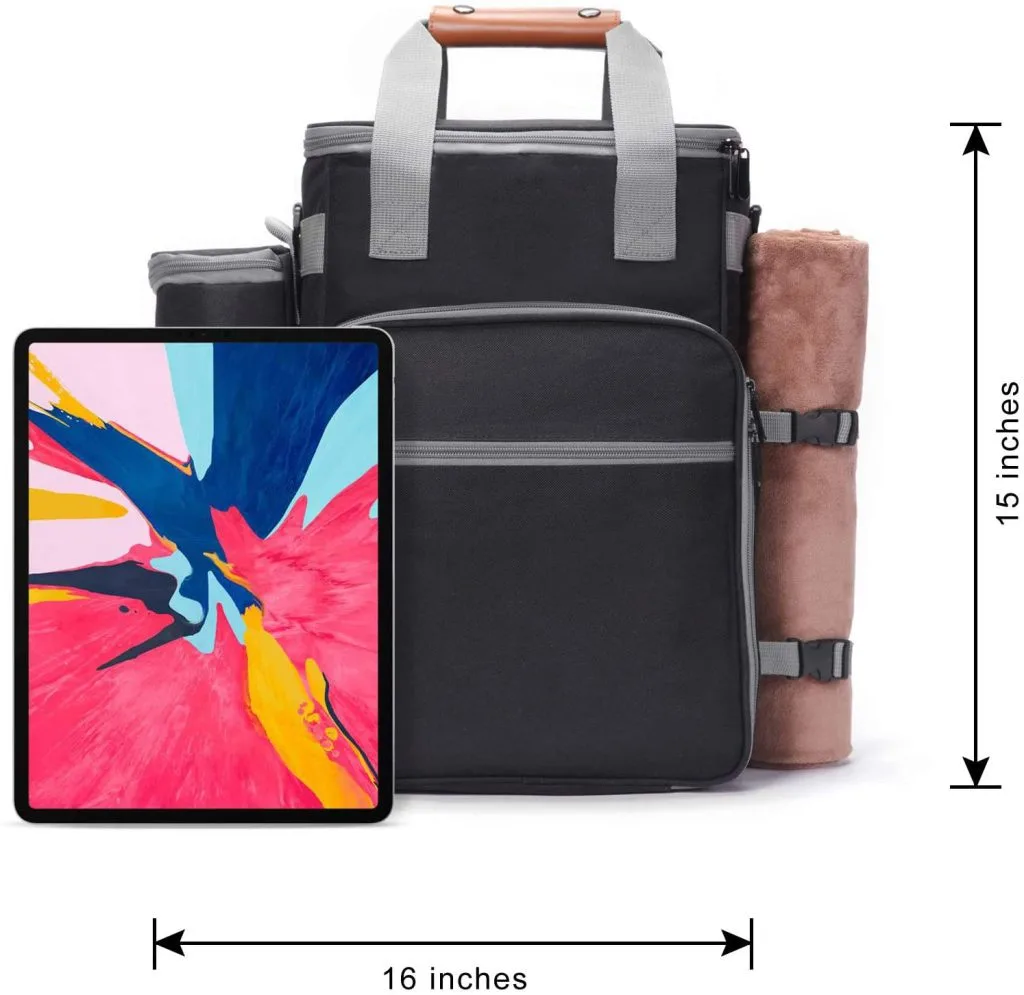
The organizer should be specified around task separation rather than maximum volume. New owners often store food-adjacent items, cleanup textiles, paperwork, and small walking accessories together. A single cavernous compartment makes the kit look complete at purchase but becomes inconvenient at home. Two main zones, one wipe-clean pocket, and one document sleeve usually provide enough organization without excessive sewing or cost.
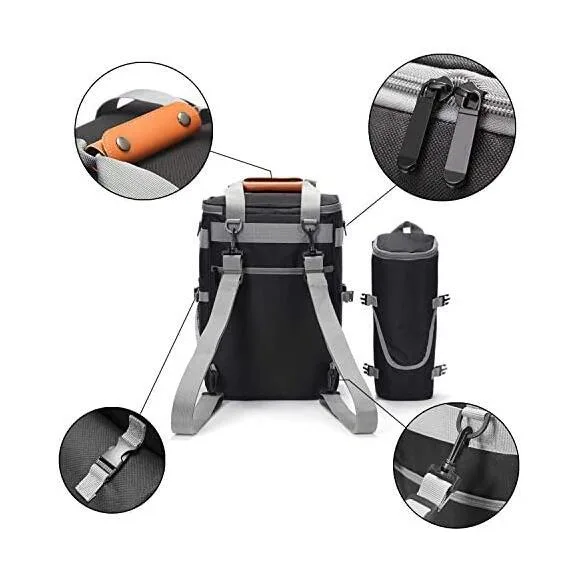
A practical finished size is commonly 28-36 cm wide, 18-25 cm high, and 12-18 cm deep, depending on component count. The opening should expose the full interior so users can identify contents without removing everything. A two-way zipper improves access, while a structured rim prevents the opening from collapsing. For lighter kits, a removable shoulder strap is optional; sturdy grab handles are more important because the bag is often moved between a cupboard, car, and reception counter.
Material selection should reflect cleanup frequency. Coated 600D polyester provides a strong cost-to-durability balance. A lighter recycled polyester can support a sustainability brief if chain-of-custody evidence and performance test results are available. The lining should resist staining and allow wiping with a damp cloth. A removable base insert protects shape during packing and can be taken out for cleaning. Mesh pockets are useful for visibility but should not hold damp cloths for long-term storage.
Buyers should define load expectation even when the organizer is not an animal carrier. A set packed to 3-5 kg needs handle anchors and base structure appropriate to that working load. The sample review should include the bag fully packed, lifted repeatedly, placed on a shelf, and opened with one hand. Empty-bag photographs hide access and balance problems that appear immediately under real contents.
Decoration belongs on a broad external panel, while owner information and component guidance belong on removable cards. Permanent printing that overstates the kit's scope makes later assortment changes difficult.
The organizer is not disposable packaging; it is the product that keeps the starter assortment useful after unboxing.
Build Separate Price Ladders for Retail and Partner Channels
Starter kits often fail margin review because one specification is forced into channels with very different economics. A shelter or breeder partner may need a practical handover pack at a controlled program cost. A specialty retailer needs enough visible substance for a USD 39-69 shelf price. An online seller may accept premium components but needs parcel efficiency and room for advertising cost. Quoting one universal version hides these differences.
An entry handover kit can target USD 8.00-10.50 FOB Xiamen with a simple organizer, cloth, waste-roll holder, document sleeve, and printed guide. A mid-tier retail set typically costs USD 11.00-15.00 and can add a lined treat pouch, documented bowl, structured bag, and color-printed folding carton. A premium version at USD 15.50-22.00 may use higher-grade shell fabric, upgraded hardware, stronger internal organization, and a reusable presentation case.
Calculate gross margin from landed cost rather than FOB alone. Rigid presentation, oversized handles, and uncompressed packing can raise freight per set significantly. Kitting labor, testing, inspection, and barcode labels also need individual lines. For donation or partner programs, add the cost of sorting by destination, local insert cards, and case-pack variation. These operational details are often more expensive than adding one small textile accessory.
Value engineering should begin with invisible complexity. Consolidate lining colors, select stock webbing, use one bag body across tiers, print a sleeve instead of the whole box, and allow a tonal component palette rather than exact cross-material matching. Do not save money by weakening closures, using undocumented food-contact pieces, or shrinking the organizer until components deform it. Those changes reduce trust and increase returns.
Ask for breakpoints at 500, 1,500, and 3,000 sets using the same specification. The difference reveals true volume leverage. Then compare an alternative bill of materials at the opening quantity. Buyers frequently gain more by removing one low-value accessory than by tripling inventory.
A starter kit price ladder should change presentation and component depth while preserving the reliability of the core organizer.

Use Packaging to Teach, Reassure and Set Boundaries
New owners buy certainty as much as physical products. Packaging should quickly show what is included, what each item does, and what the kit does not replace. Clear education reduces disappointment and prevents broad product claims from being interpreted as care advice. The front panel can focus on the first-month use occasion; the back and insert should carry dimensions, materials, component care, and channel-specific contact information.
A visual inventory panel is essential for online and self-service retail. Use the same names on the package, listing, invoice, and inspection sheet so missing-item complaints can be diagnosed. If the organizer appears larger in photography than its measured capacity, include dimensions and a packed reference image. Avoid phrases such as complete medical care, all pets, or guaranteed safe unless the buyer has evidence supporting the exact claim.
A document card can add meaningful value at low cost. It may provide spaces for veterinarian contact, microchip number, feeding notes, and emergency contacts while directing owners to qualified guidance. The American Veterinary Medical Association offers general pet-care resources, and US buyers handling animal-entry information can reference the Centers for Disease Control and Prevention importation guidance. The kit itself should not reproduce or reinterpret medical rules.
Choose package structure by distribution. A folding carton or paper sleeve over the organizer is efficient for shelves. A fitted mailer protects online orders. Partner handover programs may prefer the reusable bag with a paper belly band, eliminating a separate retail box. Whichever format is selected, verify barcode contrast, warning language, recycling marks, country-of-origin placement, and case labels before printing bulk stock.
Perform a packed drop test and open the unit afterward. The presentation must remain orderly, inserts must not crease, and hard components must not mark the bag.
Effective starter-kit packaging informs the owner while keeping health, fit, and product boundaries unmistakably clear.
Manage Sampling, MOQ and Component Dependencies
The standard MOQ is 500 sets per colorway, but the purchasing map beneath that figure deserves attention. Textile components can often share a fabric lot with the organizer. Paper printers may require a certain sheet quantity. Molded bowls can have a higher minimum for a special color. A buyer should receive a component-minimum schedule showing which items create excess stock and whether those leftovers can support reorders.
Begin with a packing prototype using available colors. This confirms bag dimensions, component count, and carton cube without waiting for decoration. The second sample should establish materials, color relationships, and logo scale. The final pre-production set must include exact packaging, labels, insert language, and barcode data. Sign every component and photograph the approved packing order.
Samples take 6-10 working days once the complete brief is stable. Revisions driven by incomplete owner guidance, changing accessory lists, or late retail compliance instructions reset part of that timeline. Bulk production takes 35-50 days after final approval and deposit. Component purchasing should be released against the longest lead item, not assumed to follow the organizer sewing schedule.
For launch planning, include test-report turnaround, third-party inspection, sea or air booking, and receiving appointments. Seasonal adoption campaigns and new-store openings have fixed dates; a late kit may have little residual value even when the products are not perishable. Work backward from the required warehouse date and freeze printed content earlier than textile production where possible.
Standard terms are T/T 30/70 and FOB Xiamen. When comparing suppliers, keep the Incoterm, component list, packaging, and inspection assumptions identical. Otherwise a low quote may simply omit kitting labor or export packing. The production network's 7 lines, 149 equipment units, and approximately 200,000-piece monthly capacity support combined pet bag programs, but approvals and component availability remain the practical schedule constraints.
In a starter kit, the smallest outsourced component can determine whether the entire order ships on time.
Apply Compliance and Inspection to Every Layer of the Kit
A kit does not reduce the compliance obligations of its contents. Each component must have a traceable material description and claim basis, while the assembled SKU needs correct labels, counts, and packaging performance. Buyers should create a compliance matrix with one row per item rather than filing one generic declaration under the set name.
For textiles, review restricted substances, colorfastness, odor, coating adhesion, and physical hazards. The European Chemicals Agency publishes information relevant to REACH obligations, while US buyers can consult the US Consumer Product Safety Commission for applicable consumer-product guidance. Requirements depend on material, age positioning, market, and claims, so the buyer's compliance team should define the actual test protocol before production.
Food-contact components require documentation for the supplied material and intended market. Hardware needs edge and corrosion checks. Printed packaging should be reviewed for mandatory language and substantiated environmental statements. A partner facility's report cannot automatically be applied to a different resin, coating, or color; match documents to actual component codes and production lots.
Final inspection at AQL 2.5 should sample sealed kits across the production run. Inspectors must count all items, scan barcodes, compare colors, check bag dimensions, operate every closure, confirm document versions, and assess presentation after opening. Missing pieces, incorrect owner guidance, unsafe sharp points, and wrong barcodes deserve stricter defect classifications than minor cosmetic marks. Master cartons should be checked for quantity, moisture protection, gross weight, and destination marks.
A sealed retention sample should remain with the buyer and production team. Keep signed materials, declarations, laboratory results, artwork approvals, inspection reports, and corrective actions under the same revision. This file makes retailer onboarding and repeat production more efficient.
Compliance belongs to each component, while acceptance belongs to the fully assembled starter kit.
Design Replenishment Paths From the First Purchase
A starter program creates a valuable cross-selling map if the initial kit is designed with replenishment in mind. The organizer may remain useful for years, while waste rolls, towels, bowls, treat pouches, or document inserts may be replaced at different rates. Even when the supplier does not provide consumables, the package can identify compatible sizes and direct the retailer toward logical follow-on categories.
Assign every component its own internal code beneath the finished-set SKU. This lets customer service identify the source of a complaint and allows purchasing to reorder or replace one piece. If one accessory underperforms, it can be removed without renaming the anchor bag. Component coding also prevents the warehouse from mixing visually similar pieces intended for dog, cat, or channel-specific sets.
Use the first 500-set order to measure sell-through by channel, return reason, and owner stage. A store may discover that compact apartment-focused sets outperform broad welcome boxes. An adoption partner may value document organization more than presentation. An online listing may receive strong engagement for the bag but little mention of a fifth accessory. Those findings should change the second bill of materials, not merely the color.
Plan the reorder decision before launch. With 35-50 days for production plus transit, waiting for complete sell-through can create a stock gap. Agree on a trigger tied to available weeks of cover and keep the packaging artwork editable for regulatory or partner updates. Shared components can be purchased across a pet gift set, a pet travel kit, and the starter program when their specifications truly match.
Do not overload the first kit to force future loyalty. Better retention comes from a useful organizer, clear compatibility information, dependable component quality, and an obvious next purchase.
The strongest starter kit opens a measured replenishment journey instead of ending with a one-time box sale.
Protect Fit, Age and Care Boundaries in the Buying Brief
Starter-kit buyers should treat suitability language as a product specification. A broad phrase such as for every new pet can be interpreted as applying to species, ages, and body sizes that were never considered. The buying brief should state whether the kit is for dog, cat, or genuinely universal household organization; whether components have size limits; and which items require owner selection or professional advice.
Age positioning matters when components are small, detachable, chewable, or used around food. The organizer itself may be an adult-handled storage product, but a toy-like accessory or small clip can change how a retailer evaluates the set. Record intended user, supervised use, animal access, and package warnings for each component. Do not let bright styling turn a practical tool into an implied toy claim.
Care boundaries should be equally clear. The organizer may be wipe clean, a towel may be machine washable, a bowl may have a separate care method, and paper records must remain dry. One generic wash symbol on the outer package is not enough. Build a component care table and confirm that every label follows the tested material. Where a buyer expects frequent cleaning, removable modules are more useful than a permanently divided lined interior.
Fit-sensitive additions need measured charts. If a retailer insists on a collar, harness, or wearable, make separate size SKUs with defined measuring instructions and tolerances. Do not rely on adjustable as a substitute for fit validation. If the opening order cannot support the inventory depth, replace the item with a voucher, checklist, or compatible storage space.
Ask the channel's compliance team to approve the claim matrix before bulk artwork. The matrix should show every statement, supporting document, product code, destination, and location where the claim appears. This prevents a marketplace bullet, carton panel, and insert from drifting into contradictory promises.
Package and listing review should include customer service, merchandising, and compliance at the same approval gate. Each team sees a different source of return risk: unclear contents, unsuitable fit, overstated care, or a missing required label. Record decisions in the claim matrix and update the signed sample card. A later copy change should reopen review when it changes suitability rather than being treated as harmless marketing.
A new-owner kit protects both customers and inventory when species, age, fit, care, and professional-advice boundaries are written into the purchase order.
Production capability
- SGS-verified production space of 4,950 m², 149 machines, 7 assembly lines
- Pet bag output since 2014 from a 137-person team
- 200,000 units shipped monthly under BSCI and ISO 9001 systems
People Also Ask
What should be in a new pet owner starter kit?
A focused kit can include a reusable organizer, cleanup cloth, treat pouch, collapsible bowl, waste-roll holder, and document wallet.
How much does a wholesale pet starter kit cost?
Entry programs typically cost USD 8.00-10.50 FOB Xiamen, mid-tier retail sets USD 11.00-15.00, and premium versions USD 15.50-22.00.
Are pet starter kits suitable for adoption programs?
Yes. A low-risk handover version with an organizer, document space, cleanup items, and local information works well for adoption partners.
Should pet food be included in a starter box?
Usually not in a durable-goods wholesale program because diet needs, expiration dates, storage, and market-specific food rules add avoidable complexity.
What bag material works for a starter kit?
Coated 600D polyester is a reliable baseline, while documented recycled polyester can support sustainability-led assortments when performance remains adequate.
How can retailers reduce starter kit returns?
State species, dimensions, included items, and exclusions clearly; avoid universal sizing claims; and use packed images that represent actual capacity.
Frequently Asked Questions
What is the MOQ for a pet starter kit?
The standard MOQ is 500 complete sets per colorway. Individual molded pieces or printed packaging may have separate minimums that should be shown in the component schedule.
How long does a starter kit sample take?
Sampling normally takes 6-10 working days after the component list, dimensions, colors, and usable artwork are approved.
How long is bulk production?
Bulk production takes 35-50 days after approval and deposit. Laboratory testing, inspection, booking, and transit require additional calendar time.
Can dog and cat starter kits share one organizer?
Yes, when the organizer dimensions and universal components are genuinely suitable. Species-specific inserts and accessory codes should remain separate to prevent warehouse mixing.
Should collars or harnesses be included?
Only when the buyer creates a measured size matrix and accepts multiple SKUs. Size-sensitive wearables increase returns and are not suitable as one universal component.
Can the organizer be sold separately?
Yes. Coding the organizer as an independent item provides an outlet for excess stock and creates a lower-price entry SKU.
What payment terms apply?
Standard terms are T/T 30/70 with FOB Xiamen quotation. Any alternative Incoterm should be compared using the same packing and inspection scope.
Can local partner information be inserted?
Yes. Adoption, veterinary, insurance, or retailer cards can be regionally sorted if final files and destination quantities are supplied before bulk packing.
How are food-contact bowl materials documented?
The supplied resin and production lot should match a relevant declaration or test report for the destination market and intended feeding claim.
Can recycled fabric be used for the organizer?
Yes, subject to performance requirements and supporting chain-of-custody documentation. Recycled content should not be claimed beyond the evidence available.
How should the kit be inspected?
Inspect the bag and each accessory, then open sealed retail units to verify count, placement, artwork version, barcode, labels, and arrival presentation at AQL 2.5.
Can several channels use the same kit?
The core bag may be shared, but packaging, inserts, case packs, and component depth should reflect each channel's margin and fulfillment requirements.
Talk to QUANZHOU JUNYUAN BAGS about a wholesale pet bag order: MOQ 500 pieces per colourway, samples in 6-10 working days, bulk production in 35-50 days under AQL 2.5 inspection.
Get a free quote Request a sample