Pet Gift Set Bundle: Wholesale Assortment, Cost and MOQ
A commercially balanced pet gift set contains 4-6 coordinated items, targets a USD 7.50-16.00 FOB Xiamen cost, and begins at MOQ 500 sets per colorway. The most reliable bundle uses one useful pet bag as the value anchor, then adds compact accessories that improve the opening experience without creating excessive freight, testing, or inventory complexity.
Pet gift set procurement is an assortment decision disguised as a packaging decision. Buyers must control perceived value, component compatibility, carton cube, compliance evidence, and replenishment risk at the same time. A strong program starts with a clearly priced hero bag and assigns every secondary item a job: daily use, travel convenience, presentation, or retail storytelling. Components that do not increase conversion or repeat use should be removed before quotation.
Our standard commercial framework is MOQ 500 sets per colorway, samples 6-10 working days after the component list and artwork are approved, bulk 35-50 days after sample sign-off, and pre-shipment inspection at AQL 2.5. Quotations use T/T 30/70 and FOB Xiamen unless the buyer requests another trade structure. The production team can coordinate soft goods, packaging, and approved accessory partners through an SGS-verified production base, but buyers should still freeze the bill of materials before sampling. The practical goal is not to place the maximum number of objects in a box. It is to create a bundle whose landed cost, claim set, shelf dimensions, and reorder logic remain easy to manage across wholesale, online, subscription, and corporate channels.
Two quotes that look comparable on unit price rarely are: one pet carrier supplier prices the carrier alone while another bundles the pad, the hang tag and the polybag. Split the bill of materials line by line before comparing, and ask each pet bag supplier to state the carton cubage, because that is where the freight difference hides.
Build the Bundle Around a Clear Commercial Job
The first sourcing question is not which accessories look attractive; it is what commercial job the set must perform. A holiday gift sold online needs high perceived value in a small shipping cube. A new-account welcome set for a pet service needs reliable availability and simple branding. A pet specialty chain needs a shelf-ready pack with an obvious price ladder. These programs may share colors, yet their bills of materials should not be identical.
Define a retail promise in one sentence before asking for a quote. Examples include a five-piece weekend kit for small-dog owners, a practical welcome set for adoption partners, or a coordinated grooming-and-walk bundle for mass retail. That sentence gives the production team boundaries for size, materials, claims, and accessory selection. Without it, quotations drift toward unrelated low-cost pieces that inflate item count but weaken the proposition.
The pet bag should normally carry 45-60 percent of the ex-works product value because it is visible, reusable, and easy for a buyer to merchandise. Secondary items should support the bag rather than compete with it. A treat pouch, collapsible bowl, waste-bag holder, small towel, or organizer insert can create a coherent use occasion. Fragile toys, food, liquids, batteries, and medical products add regulatory or shelf-life obligations that are rarely justified in a first order.
Set a maximum target cost and carton size before component selection. If the intended retail is USD 39.99, a buyer selling through wholesale distribution may need a landed cost below USD 12.00, while a direct online seller may accept more product cost but cannot tolerate dimensional-weight penalties. Work backward from the channel margin instead of adding pieces until the bundle appears full.
A wholesale pet gift set succeeds when every included item supports one use occasion and one margin model. This principle keeps purchasing discussions focused and makes later value engineering much less destructive.
Choose Components by Utility, Risk and Reorder Potential
A component matrix gives buyers a better decision tool than a mood board. Score each candidate item for everyday utility, unit cost, compliance burden, packing volume, breakage risk, and likelihood of individual replenishment. The highest-performing combinations are rarely the most elaborate. They are the ones that preserve value after the gift box has been opened.
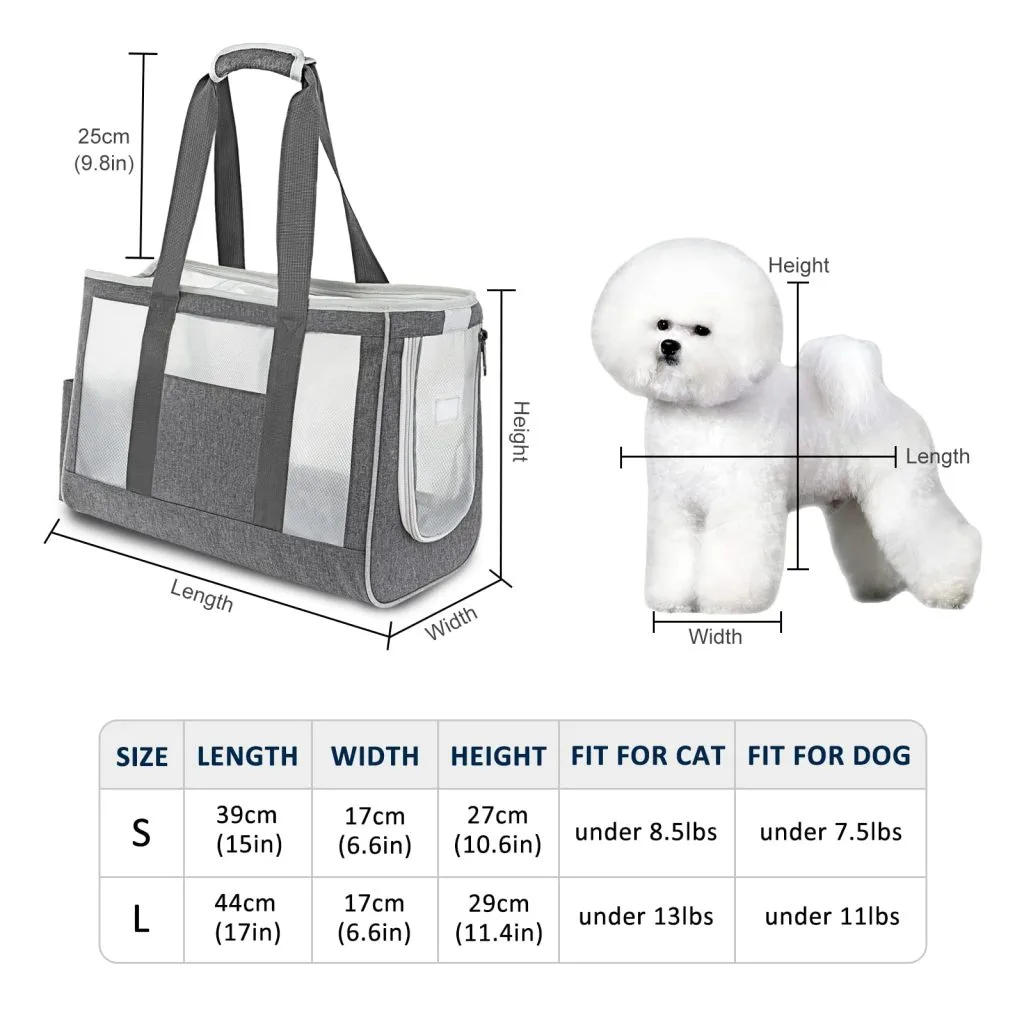
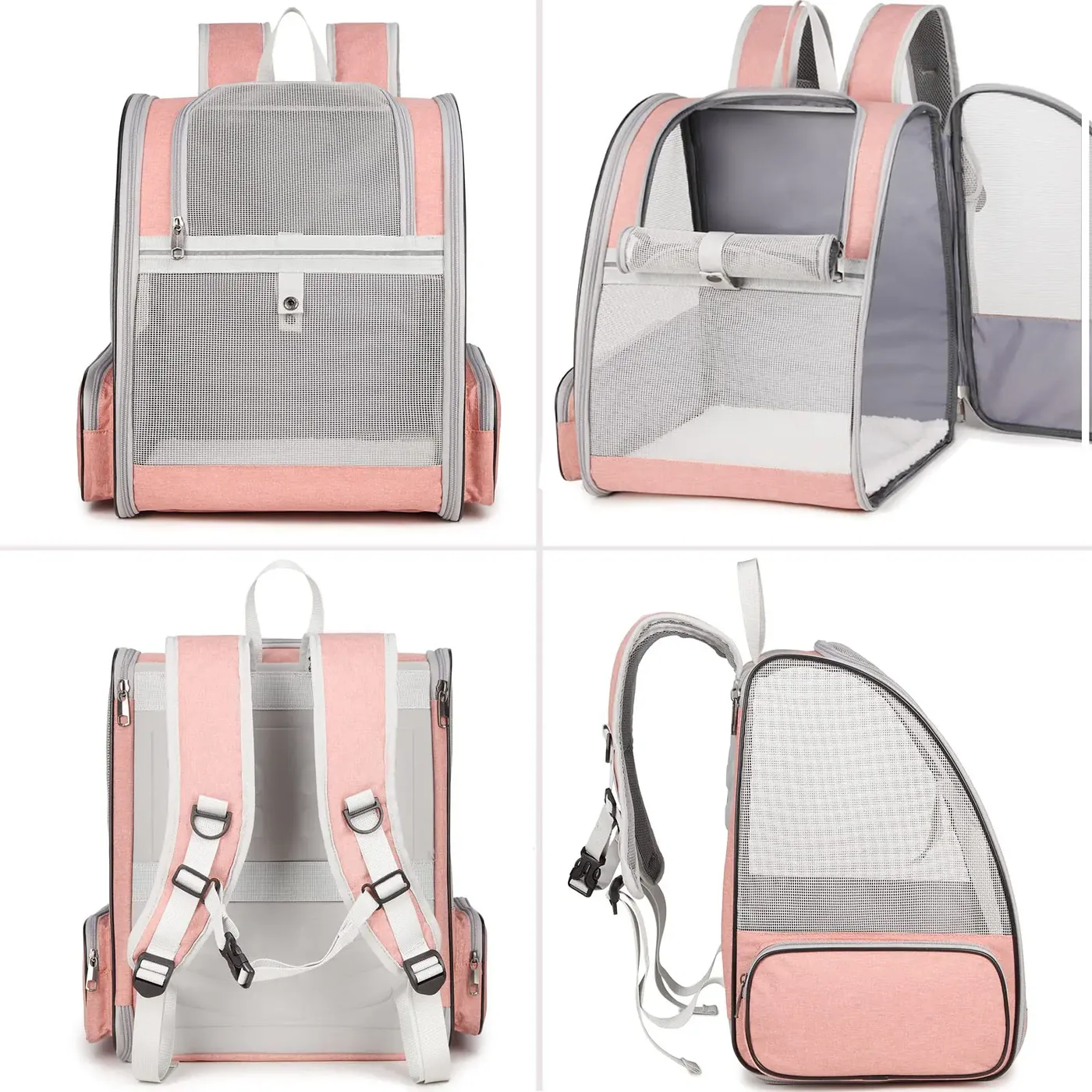
Start with the anchor bag. A zippered organizer, walk pouch, compact travel tote, or grooming bag provides enough surface for merchandising and enough structure to hold the remaining pieces. Match its internal dimensions to the packed accessories, not to a generic catalog size. An oversized anchor bag looks empty and raises freight; an undersized one arrives distorted because the contents push against zippers and seams.
Next add two or three low-risk textiles or sewn accessories. A microfiber towel, treat pouch, flat bowl carrier, or waste-roll dispenser can share colors and trim with the main bag. Shared materials reduce shade variation and allow consolidated cutting. One functional molded item, such as a collapsible silicone bowl from an approved partner facility, can increase perceived value, but it requires food-contact declarations if marketed for feeding. Buyers should request material documentation before approving colors.
Avoid products with independent expiration dates unless the distribution system can manage them. Treats, wipes, supplements, and topical products turn a durable-goods order into a dated inventory program. They can also prevent a set from entering certain markets under one tariff or documentation package. The same caution applies to electronic trackers and illuminated accessories, which introduce battery transport and electrical compliance questions.
| Component role | Typical choice | FOB allowance | Main procurement check |
|---|---|---|---|
| Value anchor | Zippered pet bag | USD 4.20-8.50 | Capacity and load test |
| Daily utility | Treat or walk pouch | USD 0.85-1.80 | Closure and cleanability |
| Feeding support | Collapsible bowl | USD 0.70-1.60 | Material declaration |
| Care item | Microfiber towel | USD 0.55-1.20 | Colorfastness |
| Presentation | Rigid or folding box | USD 1.10-3.40 | Transit crush strength |
Four documented components are commercially safer than eight unverified fillers.
Engineer Packaging for Shelf Impact and Freight Control
Packaging is often the second-largest cost block in a gift set and the first feature a customer sees. It must therefore perform three jobs: communicate the use occasion, keep unlike components organized, and survive distribution without generating dimensional freight that erases the buyer's margin. Treat packaging as part of the specification rather than as decoration added after product approval.
A folding carton with a printed sleeve is the lowest-risk option for programs shipping through parcel networks. It stores flat before packing, offers sufficient graphic area, and can be sized closely around the anchor bag. A rigid magnetic box delivers more premium presentation but may add USD 1.20-2.50 and 25-45 percent more shipping cube. Reusable zip cases can replace disposable gift boxes in sustainability-led programs, although their shape must remain stable enough for shelf presentation.
Internal organization should rely on paperboard dividers, belly bands, or small recyclable paper envelopes where possible. Deep thermoformed trays look controlled but involve tooling, higher minimums, and material-separation concerns. Loose components create noise, surface abrasion, and a weak unboxing sequence. A drop-tested sample should be opened after transit simulation so the buyer sees the actual arrival condition, not only a studio-packed master sample.
Ask the supplier to quote product cost and packaging cost separately. This reveals whether a requested finish is consuming the margin. Foil stamping, spot UV, ribbon pulls, molded inserts, and individual polybags all appear inexpensive in isolation; together they can add USD 2.00 or more per set. Retailers with packaging rules should provide dielines, warning language, barcode quiet-zone requirements, and hanger or shelf orientation before the sample is made.
For online channels, calculate dimensional weight using the forwarder's divisor and test at least two pack orientations. Compressible bag components can often be nested around bowls or pouches without visible damage. Master-carton pack count should suit warehouse handling, normally 6-12 sets rather than an excessively heavy carton.
The best gift packaging is the smallest structure that protects presentation through the buyer's real distribution route.
Model Cost, Margin and Value Engineering Before Sampling
A useful quotation separates the anchor bag, accessories, decoration, retail packaging, testing allowance, and master packing. Bundled prices without this detail are difficult to compare because one supplier may include a rigid box and another may assume a paper sleeve. A line-item view also lets the buyer remove cost without reopening the entire design.
For a 500-set opening order, a practical entry bundle may cost USD 7.50-10.00 FOB Xiamen: roughly USD 4.50 for the bag, USD 1.80 for two accessories, USD 0.80 for decoration and labels, and USD 1.40 for packaging and assembly. A mid-tier five-piece set generally lands at USD 10.50-16.00 FOB. Premium hardware, molded feeding pieces, heavy presentation boxes, or multiple decoration methods can move the total above USD 20.00.
Labor is not only the sewing time in the anchor bag. It includes receiving components, checking color consistency, collating sets, fitting dividers, scanning barcodes, and packing in a defined sequence. Complex kitting can add USD 0.35-1.20 per set. Buyers should ask whether that line is included and whether accessory shortages could stop the entire packing run.
Value engineering should protect the visible and frequently used elements. Keep the hand feel of the bag, the reliability of closures, and the clarity of the package. Reduce cost by standardizing webbing widths, using one lining across colors, selecting stock accessory molds, replacing rigid boxes with folding structures, or removing a low-utility filler. Increasing order volume from 500 to 2,000 sets may reduce unit cost by 5-10 percent, but specification discipline usually produces a larger saving.
Landed-cost modeling must include duties by material and product description. A bundle can be classified according to the item giving it essential character, but import treatment varies by destination and composition. Buyers should confirm classification with their broker rather than assuming that all components follow the bag's tariff line.
Negotiate the cost architecture, not a blind percentage discount, because each saved dollar carries a different effect on retail value.
Control Color, Branding and Channel Presentation
Gift sets amplify small visual inconsistencies because all components appear together. A navy fabric, navy silicone bowl, navy print, and navy paper sleeve can each fall within their own supplier tolerance yet look unrelated when packed side by side. The color approval process must therefore evaluate the assembled set under one lighting standard, not approve components from separate photographs.
Select a dominant neutral for the anchor bag and use one accent across smaller pieces. This makes shade management easier and supports reorders when accessory materials change. Pantone references are useful starting points, but they do not replace signed physical swatches on textile, silicone, paper, and coated metal. Buyers should define whether a tonal relationship is acceptable or whether an exact visual match is required; the latter usually increases sampling rounds and scrap.
Decoration should follow viewing distance. The exterior bag can carry a woven label, transfer print, embroidery, or rubber patch. The box needs a retail message and legal information, while small accessories need only identification where required. Repeating a large logo on every component often reduces premium perception and increases setup charges. A coordinated label system usually gives better value.
Channel details change the pack. Marketplace programs require scannable outer barcodes, protective shipping readiness, and images that clearly inventory every piece. Wholesale accounts may need a case label, inner quantity, purchase-order reference, and no consumer price. Corporate gifting may require recipient cards or regional sorting. Subscription businesses value a compact mailer and predictable monthly packing dimensions over permanent shelf presence.
Claims must be supportable. Terms such as food grade, recycled, waterproof, or certified should be linked to actual component evidence. General environmental language should not exceed what the packaging and product materials can demonstrate. The OEKO-TEX organization provides recognized textile certification information, while the European Chemicals Agency is the reference point for EU chemical obligations.
A gift set should look coordinated by design, not merely packed together by convenience.
Set MOQ, Sampling Gates and a Realistic Launch Calendar
MOQ is 500 sets per colorway for a program built from standard bag constructions and available accessory formats. The set quantity can be the easy part; individual component suppliers may impose color, print, or packaging minimums that do not divide neatly into 500. Before confirming the order, the buyer needs a component-level minimum sheet and a clear decision on how any surplus parts will be used.
Sampling should proceed through gates. Gate one is a white or stock-color fit mock-up confirming that every item fits the anchor bag and package. Gate two is a color and decoration sample. Gate three is the fully assembled pre-production sample with final labels, barcode, insert cards, and carton markings. Combining all approvals into one first sample appears faster but makes diagnosis difficult when dimensions, colors, and artwork all need revision.
The stated 6-10 working day sample window begins after a stable bill of materials and usable artwork are received. A molded accessory in a new color may require additional material preparation, while standard colors can be pulled immediately. Bulk production requires 35-50 days after approval and deposit. Buyers should add time for laboratory tests, third-party inspection, export booking, and destination transit rather than treating production lead time as the full launch calendar.
Forecasting matters because a bundle cannot ship when one minor component is missing. The production team should identify the longest-lead item and place purchase orders against that constraint. For seasonal gifting, final approval should occur at least one full production cycle before the cargo booking cutoff. Reorders can move faster if materials and accessory molds remain unchanged, but paper packaging often becomes the pacing item when artwork is revised.
Use T/T 30/70 and FOB Xiamen as the base comparison across quotations, then model alternative terms separately. Changing Incoterms during final negotiation can hide freight or local-charge differences. Guidance from the International Chamber of Commerce Incoterms resources helps buyers assign transport responsibilities clearly.
A gift bundle calendar is governed by its slowest component and its latest approval, not by the sewing capacity of the main bag.
Inspect the Set as One Product and as Separate Components
Gift set inspection has two layers. Every component must meet its own specification, and the assembled bundle must meet count, presentation, labeling, and transit requirements. An inspection plan that checks only the anchor bag can pass a shipment containing missing accessories, wrong-language inserts, mixed barcodes, or crushed boxes.
At incoming control, confirm component quantity, approved color, dimensions, material declaration, logo position, and surface condition. Feeding items should match the approved material document. Textile pieces should be checked for colorfastness and objectionable odor. Metal hardware should be free of sharp edges and corrosion. Paper components should match print color, score lines, and barcode readability.
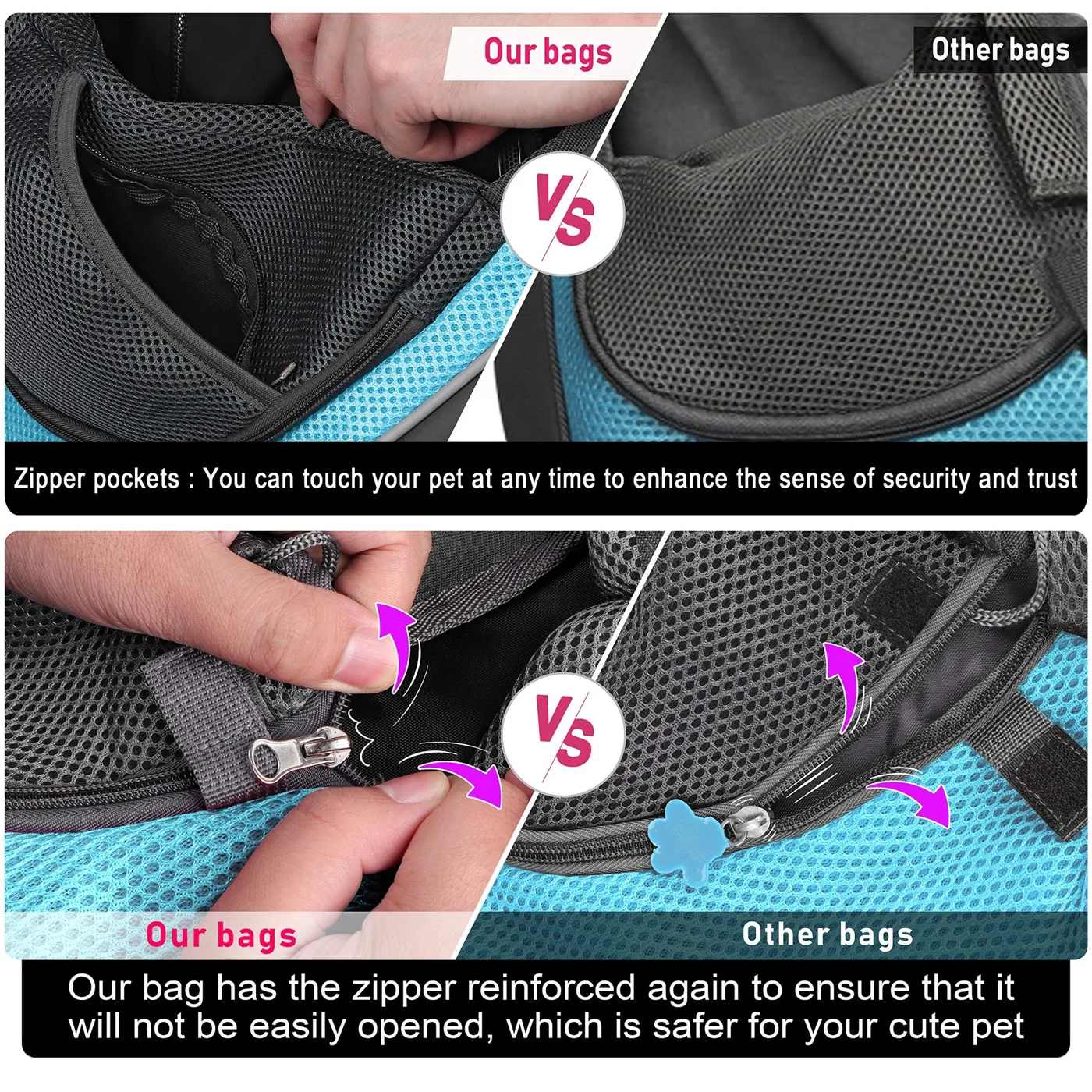
During final inspection at AQL 2.5, the inspector should select sealed retail units from multiple master cartons and open them in the actual customer sequence. Count every item, compare placement to the packing standard, operate closures, check label adhesion, scan codes, and examine the anchor bag after unpacking. Critical defects include sharp points, unsafe small detachable pieces where age claims make them relevant, incorrect compliance labels, and a missing required component. Major defects include broken closures, wrong colors, unreadable codes, severe box damage, and incorrect assortment.
Transit testing should reflect the channel. Parcel programs need drop and vibration evaluation on a packed retail unit inside its shipper. Palletized wholesale programs need compression and master-carton stack checks. The ASTM International catalog is a useful source for recognized packaging and material test methods, and SGS provides independent testing and inspection services when a retailer requires third-party evidence.
Retain one sealed production set, component samples, inspection photographs, test reports, and the signed packing standard. This reference simplifies claims and repeat orders.
A bundle is acceptable only when both its weakest component and its final presentation meet the purchase specification.
Plan the Assortment for Reorders Rather Than One Event
A profitable gift set should produce information that improves the next buy. The first order is not merely a seasonal transaction; it tests price acceptance, component utility, packaging durability, and channel fit. Build the SKU architecture so the buyer can act on those signals without redesigning everything.
Use one anchor bag across two bundles when possible. An entry set might pair it with a towel and waste-bag holder, while a higher tier adds a collapsible bowl and premium box. Shared product architecture creates a visible retail ladder and concentrates purchasing volume. It also allows leftover bag inventory to move as an individual SKU if one bundle format underperforms.
Track complaints by component rather than only by set SKU. A leaking bowl, failed zipper, crushed box, or missing insert points to a different corrective action. Marketplace reviews can reveal which item customers mention first; that item deserves protection in the next cost review. Components that receive no mention and no use signal are candidates for removal.
Reorder timing should account for the 35-50 day production window plus transport. A program that sells through in ten weeks may need its decision by week four or five. Keep approved artwork, color standards, component codes, and packing photographs in one revision-controlled file so a repeat is not treated as a new development. Where demand is uncertain, reorder the anchor bag and standard accessories in different proportions, then assemble sets against sales rather than holding only finished bundles.
Related categories can provide extension routes without confusing the proposition. A travel-focused buyer may progress from a gift bundle to a pet travel kit, while service channels may prefer a pet grooming bag kit. These extensions should share materials or package dimensions only when that improves purchasing efficiency.
The most resilient gift program uses modular components that can be reordered, upgraded, or sold separately as demand becomes visible.
Write a Quote Brief That Makes Suppliers Comparable
A buyer should finish concept work with a one-page commercial brief and a controlled appendix. The first page states the target channel, retail price, order quantity, number of colorways, required delivery window, destination, trade term, and maximum packed dimensions. The appendix lists every component, material expectation, dimensions, decoration, packaging, evidence, and inspection rule. This format prevents a supplier from improving the headline price by silently removing scope.
Assign a code to the anchor bag, each accessory, every printed item, and the completed set. State whether the price includes component receiving checks, kitting, individual packing, barcode labels, moisture protection, master cartons, testing allowance, and pre-shipment inspection support. Ask suppliers to identify assumptions and exclusions in writing. A quote that says five-piece set without listing the five production codes is not ready for purchase comparison.
Request three alternatives against the same retail promise: the specified version, a value-engineered version, and an upgraded version. Require the supplier to explain exactly what changes and how that affects performance, carton cube, and lead time. This makes negotiation useful. Buyers can decide whether a rigid box, molded bowl, metal zipper pull, or special dye lot earns its cost instead of asking for a general reduction that may weaken hidden elements.
The approval table should name the responsible party and deadline for bag fit, accessory material, color swatches, artwork, barcode, compliance evidence, drop test, and final packing. It should also state that substitutions require written approval. When multiple partner facilities contribute components, one consolidated readiness report should show quantity received, rejected, and available for assembly.
Finally, define what the first order is expected to teach. Choose measures such as sell-through by channel, attachment sales, packaging damage, missing-item claims, component mentions in reviews, and reorder timing. These measures convert the initial 500-set commitment into actionable evidence for the next purchase.
Issue a final comparison sheet that normalizes unit weight, packed cube, test scope, spare allowance, and quotation validity. Currency movements and paper or accessory price changes can make an old quote unreliable, so record the pricing date and assumptions. When the buyer awards the order, attach the selected sheet to the purchase order instead of relying on meeting notes.
Comparable gift-set quotations come from a controlled bill of materials, shared trade assumptions, and explicit approval ownership rather than from a headline set price.
Why brands source here
- Pet bag programmes run since 2014; founding team in sewn goods since 2004
- SGS-verified production floor of 4,950 m² with 137 workers across 7 lines
- Monthly capacity of 200,000 units, audited to BSCI and ISO 9001
People Also Ask
What should be included in a pet gift set?
A practical set usually includes one anchor pet bag plus three to five coordinated items such as a treat pouch, collapsible bowl, waste-roll holder, or microfiber towel.
How much does a wholesale pet gift set cost?
Typical FOB Xiamen pricing runs from USD 7.50 for an entry bundle to USD 16.00 for a mid-tier five-piece set, with premium packaging and hardware increasing the total.
How many items make a good pet gift bundle?
Four to six useful items normally create the best balance of perceived value, freight efficiency, and inspection control. Larger counts often add filler rather than utility.
Do pet gift sets require product testing?
Each component needs evidence appropriate to its material and claims, while the finished pack should be checked for transit strength, barcode readability, count accuracy, and labeling.
What packaging works best for pet gift bundles?
A closely sized folding carton, printed sleeve, or reusable zip case usually provides better freight economics than a large rigid magnetic box.
Can a pet gift set be sold in separate tiers?
Yes. Use one shared anchor bag and vary accessories or packaging to create entry and premium tiers while concentrating purchasing volume on the core SKU.
Frequently Asked Questions
What is the MOQ for a wholesale pet gift set?
The standard MOQ is 500 complete sets per colorway when the bundle uses established bag constructions and available accessory formats. Special molds or unique packaging structures may have separate supplier minimums.
How long does pet gift set sampling take?
Samples normally take 6-10 working days after the bill of materials, dimensions, colors, and print files are confirmed. A new molded accessory or complex rigid box may extend the approval path.
What is the bulk lead time?
Bulk production is 35-50 days after approval of the complete pre-production set and receipt of deposit. Testing, inspection, booking, and transit should be scheduled outside that window.
Can several accessories be packed inside the main bag?
Yes. Nesting accessories inside the anchor bag usually reduces carton cube, provided inserts prevent abrasion and the packed shape does not strain zippers or distort panels.
How should colors be approved across different materials?
Approve an assembled physical set under one agreed lighting standard. Pantone references alone cannot predict how textile, silicone, coated metal, and paper will appear together.
Can the set use a folding carton instead of a rigid box?
Yes. Folding cartons generally cost less, store flat, and use less shipping volume. A printed sleeve or paperboard divider can preserve the gift presentation without rigid-box cube.
What payment terms are standard?
Standard terms are T/T 30/70, with 30 percent deposit and 70 percent balance before shipment, quoted FOB Xiamen unless another Incoterm is agreed.
Can individual components carry different logos?
They can, but each decoration method may add setup cost and approval time. A coordinated hierarchy with one primary mark and smaller identification labels often looks more premium.
How are missing components controlled?
The packing line uses a fixed sequence, count standard, and sealed-unit checks. Final inspectors open retail units from multiple cartons and verify every component against the approved bill of materials.
Can gift sets be packed for marketplace fulfillment?
Yes. Outer barcode position, package dimensions, protective requirements, carton labels, and suffocation warnings should be supplied before packaging artwork is approved.
Are mixed colorways available in one order?
Colorways can be mixed when each one meets the 500-set MOQ and component color minimums. Shared neutral accessories can simplify purchasing across several bag colors.
What records should be retained for reorders?
Keep signed samples, color standards, artwork revisions, component codes, material declarations, packing photographs, inspection reports, and test documents under one SKU revision.
Talk to QUANZHOU JUNYUAN BAGS about a wholesale pet bag order: MOQ 500 pieces per colourway, samples in 6-10 working days, bulk production in 35-50 days under AQL 2.5 inspection.
Get a free quote Request a sample