Pet Bag Kaizen: Continuous Improvement in Bulk Production
Yes. A kaizen-driven pet bag program typically removes 4-8 percent of unit cost across two reorder cycles without downgrading fabric or hardware. The savings come from cut yield, stitch rework, changeover time and packing cube, not from cheaper materials. On a 500-piece wholesale lot at USD 9.40, a 6 percent gain is about USD 282 per run and compounds on every repeat order.
Kaizen is not a slogan on a wall; for a wholesale pet bag buyer it is a measurable cost and quality contract. Our production team runs improvement cycles on every repeat style: each reorder is compared against the previous one on minutes per unit, cut yield, first-pass yield and packing cube, and the results are logged in the style file you can request. Standard commercial terms stay stable while the cost base moves: MOQ 500 pieces per colour, samples in 6-10 working days, bulk production 35-50 days, and final inspection at AQL 2.5 for major defects. The SGS-verified production base operates under ISO 9001 documented procedures, so every improvement is recorded as a controlled change rather than an informal shortcut. Practically, that means you should expect a written revision note whenever a marker, a hardware supplier or a packing method changes, plus an updated cost breakdown showing where the saving landed. Buyers who treat the first lot as a data-gathering run, then lock the improved spec for the second run, get the fastest payback from continuous improvement.
Pet bag sample cost is normally credited against the first production order, which makes Market & Business Strategy review the expensive step rather than the sampling itself. Pet carrier sample cost rises with hardware changes, so lock the hardware before the second sample round.
What Continuous Improvement Actually Changes in a Pet Bag Program
Kaizen literally means change for the better, and in a sourcing context it describes a supplier habit rather than a single project. A production organisation that practises continuous improvement records small changes, measures the effect, and keeps the ones that work. For a buyer of wholesale pet bags that habit shows up in three places you can actually verify: a revision history attached to each style, a cost breakdown that moves in small steps instead of jumping, and a defect record that trends downward across repeat orders. None of those require you to visit the floor; all three are document requests.
The trap many buyers fall into is asking for a lower price without specifying where it should come from. When a quotation drops 8 percent overnight, the usual source is a material downgrade - lighter denier, thinner foam, a cheaper zipper tape - and the cost shows up later as returns. A kaizen-structured conversation flips that: you ask which process waste was removed, and the answer is a number. Cut yield moved from 84 to 89 percent, or packing cube dropped 6 percent, or the changeover between two colourways fell from 55 to 38 minutes.
Continuous improvement also protects you from silent drift. Without a change-control habit, a supplier may substitute a fabric roll from a different mill because the original was unavailable, and nobody tells you. With a documented improvement culture, substitutions trigger a written note, a comparison sample, and a re-approval. That discipline matters most for programs with retail packaging, where a carton change can break a shelf planogram.
- Request the style revision log with dates, not just the current spec sheet.
- Ask for the cost breakdown split into material, labour minutes, overhead and packing.
- Confirm who signs off on a material substitution and how you are notified.
- Track the same four metrics on every reorder so trends are comparable.
Buyers should also separate improvement from innovation. Improvement changes how an existing style is made; innovation changes what the style is. Mixing the two in one reorder makes it impossible to attribute a cost change to a cause, so keep the specification frozen during an improvement cycle and schedule design changes separately with their own sampling round.
Finally, decide who owns the numbers on your side. A sourcing manager who reviews four metrics once per quarter will capture most of the available value, because suppliers respond to being measured. Programs with no internal owner tend to drift back to price-only conversations within two reorder cycles.
Where Cost Hides in a Wholesale Pet Bag Bill of Materials
Improvement only pays when you know where the money sits. In a typical mid-priced pet bag - a 600D polyester tote-style carrier with mesh panels, a padded base board and a branded zipper pull - material usually accounts for 55-65 percent of the ex-works price, direct labour 15-22 percent, and the balance is overhead, packing and margin. Within that structure the largest recoverable waste is rarely the fabric price; it is the fabric yield and the minutes spent per unit.
Marker efficiency is the classic kaizen lever. Nesting pattern pieces more tightly around a roll width often recovers 3-6 percent of fabric on the same design, with no visual change to the finished bag. Hardware consolidation is the second lever: if a style uses four different zipper lengths and three D-ring finishes, reducing to two lengths and one finish cuts purchasing complexity, lowers the minimum order the supplier must place on trim, and shortens the line changeover. Third is packing cube, which is invisible in the unit price but visible in your freight bill.
| Cost lever | Typical share | Kaizen action | What the buyer should request |
|---|---|---|---|
| Fabric yield | 28-36% of material | Marker re-nesting, roll-width matching | Yield percentage per order, before and after |
| Trim and hardware | 18-26% of material | SKU consolidation across colourways | Trim BOM with supplier names and finish codes |
| Direct labour minutes | 15-22% of ex-works | Workstation rebalance, jig introduction | Minutes per unit trend by style |
| Rework and seconds | 2-6% of output | First-piece approval, defect Pareto | Defect Pareto by category, monthly |
| Packing and cube | 4-9% of landed cost | Carton right-sizing, flat-pack option | Carton dimensions, units per carton, CBM per 500 pieces |
Notice that none of these levers require a cheaper material. That is the point: sustainable cost reduction in wholesale pet bags is a yield and minutes conversation, not a downgrade conversation. When a supplier proposes a saving, ask which row of this table it comes from.
A fourth lever that rarely appears in the bill of materials is the cost of complexity itself. Every extra colourway, extra print placement and extra hardware finish adds purchasing lines, inspection criteria and line changeovers. Consolidating two near-identical colourways into one often saves more than a fabric renegotiation, and it reduces the chance of a mixed-colour packing error at the carton stage.
For buyers comparing quotations, the useful question is therefore not "what is your best price" but "what is your cost structure at 500, 1,000 and 3,000 pieces". A supplier that can answer with a slope rather than a single number understands its own process, and that understanding is what continuous improvement runs on.
Kaizen Metrics That Matter More Than Unit Price
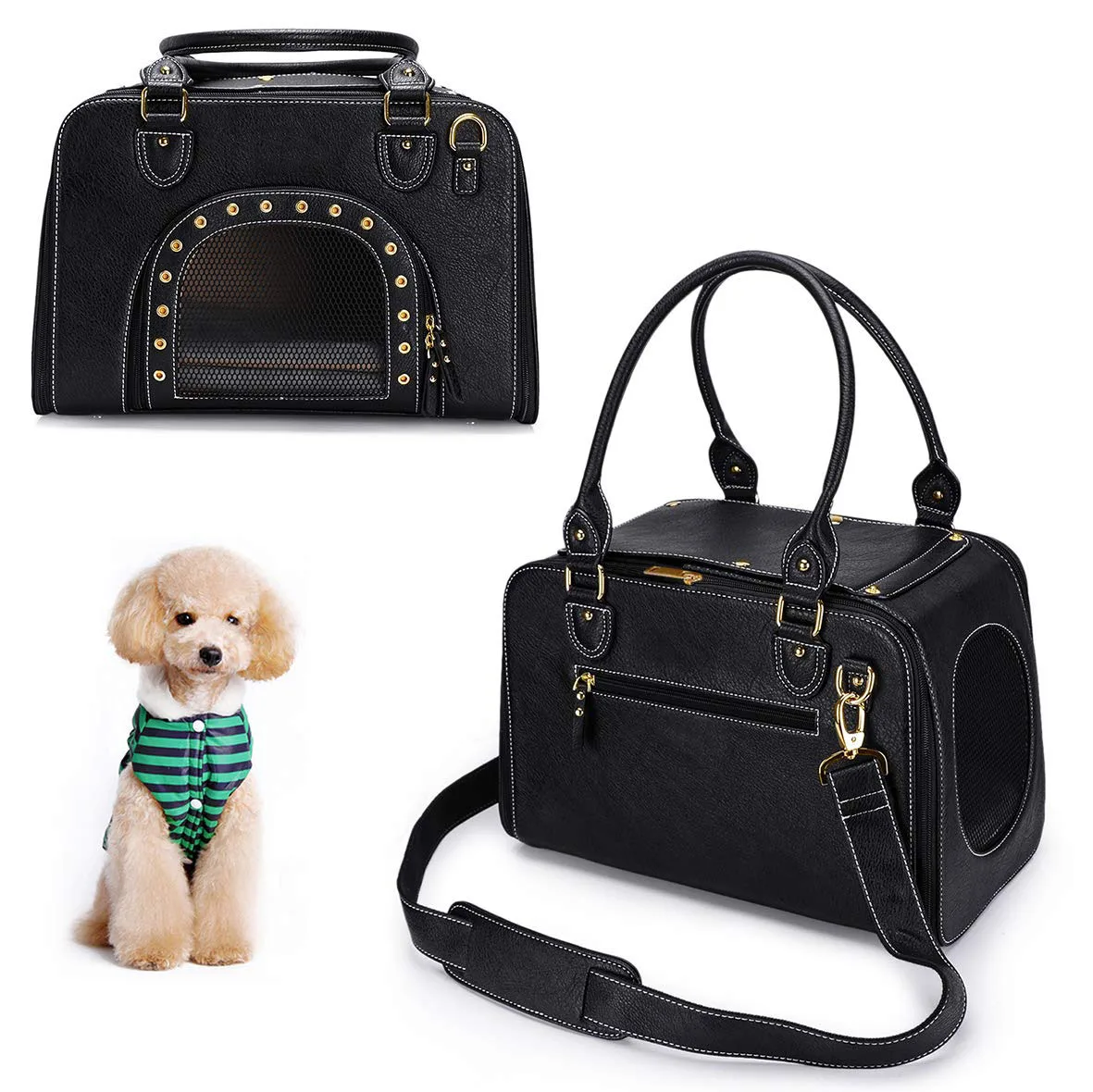
Unit price is a snapshot; the metrics behind it predict what the next order will cost. The four numbers worth tracking on every repeat style are minutes per unit, cut yield percentage, first-pass yield, and carton cube per 500 pieces. A supplier that can produce those four on request is running a measurement system. A supplier that can only quote a price is not, and its future discounts will be driven by negotiation pressure rather than by real gains.
First-pass yield deserves special attention because it drives everything downstream. If 92 percent of units pass final inspection on the first run and 8 percent need rework, the rework absorbs line capacity that was supposed to go to the next order. Over a 35-50 day bulk window, that hidden capacity loss is one of the most common reasons a confirmed ship date slips by a week. Raising first-pass yield from 92 to 96 percent effectively frees four percent of line time without adding a shift.
Buyers should also track the stability of these numbers, not just the level. A style that reports 88 percent yield one month and 83 percent the next has an unstable process even if the average looks acceptable. Variance is what generates surprise defect spikes at final inspection, and surprise spikes are what trigger chargebacks from retail channels. Ask for the last six data points for your style rather than the latest one.
Two further metrics are worth adding once the basics are stable. Material lead time variability measures how many days the actual fabric arrival differed from the planned arrival; this is the single best predictor of whether a 35-50 day bulk window will hold. Sample-to-bulk conformance measures whether the approved sample and the first bulk unit match on weight, dimensions and hand-feel; drift here is usually the first sign of an undocumented material change.
Report format matters as much as content. A one-page monthly scorecard with the same six metrics, the same units and the same definitions is more useful than a long narrative, because it can be compared month to month and circulated internally without rewriting.
Running 500-Piece Lots as Learning Cycles
A 500-piece minimum is often framed as a constraint, but for a continuous improvement program it is the ideal pilot size. It is large enough to produce statistically meaningful yield and defect data, and small enough that a spec mistake does not become a warehouse problem. The recommended pattern is to treat the first lot as a measured run: agree the metrics to be captured before production starts, then hold a short review after delivery.
In that review, three questions do most of the work. Which defect category appeared most often at final inspection? Which operation was the bottleneck, measured in minutes per unit? And which component arrived late or short, forcing a substitution? Each answer maps to a specific improvement for the second lot, and each improvement has a cost attached. This is how a wholesale pet bag program converts a first order into a repeatable, cheaper, more predictable second order.
There is also a cash-flow argument. Buyers who split a 2,000-piece annual requirement into four 500-piece runs keep inventory lean, but they pay a set-up cost four times. Continuous improvement is what makes that trade-off favourable: if changeover time and first-piece approval time fall by a third, the effective penalty for smaller, more frequent runs shrinks and you can hold less stock without losing margin.
Pilot runs also de-risk compliance. A 500-piece lot gives you enough units to pull a full test set - colour fastness, zipper cycles, load bearing, and any restricted-substance screening your channel requires - without committing to a full season's volume. If a test fails, the exposure is one lot, and the corrective action can be validated on the next run.
Set the pilot agreement in writing before the first order: which metrics are captured, who reviews them, and what the target for the second lot is. Without that agreement the first lot is simply a purchase, and the learning is lost when the team moves on to the next style.
Compressing the 6-10 Working Day Sampling Window
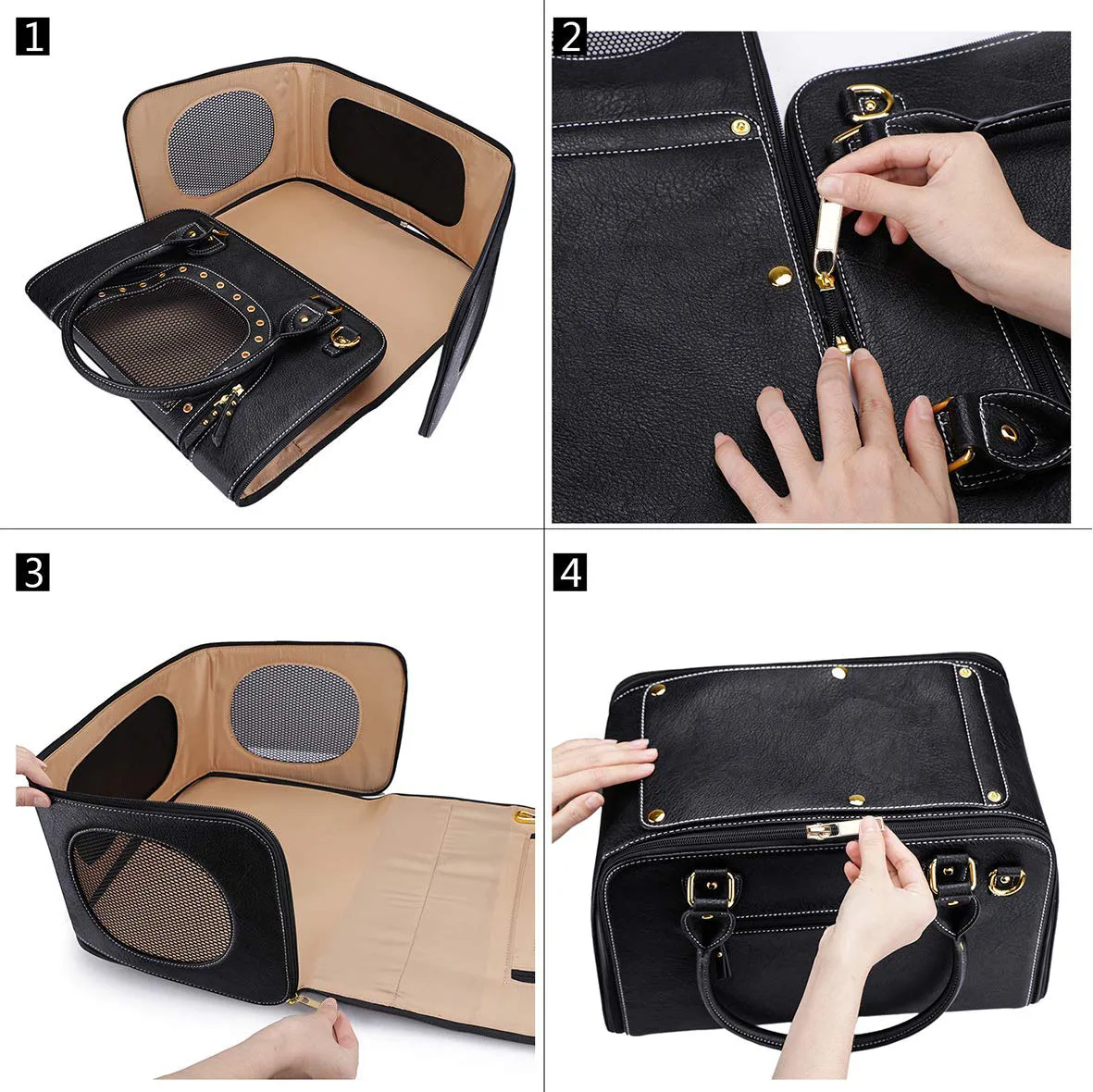
Sampling speed is a kaizen target in its own right. A standard 6-10 working day sample cycle is consumed mostly by waiting: waiting for a fabric roll, waiting for a hardware match, waiting for an internal hand-off between the material team and the sample room. Removing the waiting, not the sewing, is what compresses the window.
The highest-leverage action on the buyer side is material pre-approval. If you standardise on a base fabric library - two or three approved polyester or nylon options with known test reports - the sample room does not need to source from scratch, and a prototype can often be cut the same day the tech pack is released. The same applies to hardware: naming an approved zipper family and pull style removes an entire purchasing loop.
The second action is approval discipline. Buyers frequently lose more calendar time than suppliers do, because a sample sits in an inbox for four days before feedback is returned. Agreeing a 48-hour response window with a single consolidated change list, rather than sequential one-item comments, is one of the cheapest schedule improvements available to any wholesale pet bag program.
On the supplier side, the equivalent discipline is parallel rather than sequential sampling. Instead of one prototype followed by one revision sample, experienced teams cut a small set of variants - base fabric option, alternative hardware finish, optional reinforcement - in the same cycle. The buyer chooses from real parts instead of describing changes in text, which typically removes one full loop from the 6-10 working day window.
Treat the approved sample as a controlled reference. It should be signed, dated, labelled with its revision number and retained by both parties, because it is the physical standard against which the bulk run at AQL 2.5 will later be judged.
Yield, Rework and the AQL 2.5 Conversation
AQL 2.5 defines the sampling plan and the accept or reject threshold for a given defect classification during final inspection; it is a pass gate, not a quality strategy. A program that relies on the gate alone will keep shipping borderline lots and will keep paying for rework. Continuous improvement moves the distribution so that most lots sit comfortably inside the threshold instead of clustering near it.
The practical method is a defect Pareto by category - stitch, alignment, hardware, soiling, print - reviewed after every bulk run. In most pet bag programs the top two categories account for 60-70 percent of all major defects, which means a focused countermeasure on two operations delivers most of the available gain. Typical countermeasures are a simple jig that removes a manual measurement step, a template that fixes a recurring alignment error, and a first-piece sign-off that stops a mis-set machine from producing a full shift of seconds.
Test-method discipline supports the same goal. When a buyer and a supplier disagree about whether a seam or a coating failed, the disagreement is usually about the method, not the product. Referencing recognised standards such as those published by ASTM International or the textile test methods maintained by AATCC removes the ambiguity and makes an AQL 2.5 result defensible.
Buyers sometimes ask whether tightening the inspection level is a better answer than process improvement. It is not, because a tighter gate rejects more without fixing anything; it simply moves the cost from your returns budget to the supplier's rework budget, and the supplier recovers that cost in the next price round. Improvement lowers the defect rate itself, which is the only version of the outcome that improves both sides' economics.
The exception is a new style or a new line. For the first one or two lots of any design, a tightened inspection level is reasonable insurance while the process stabilises, and it can be relaxed once first-pass yield has held above target for three consecutive runs.
Documentation Discipline: SOPs, Change Control and Audit Trails
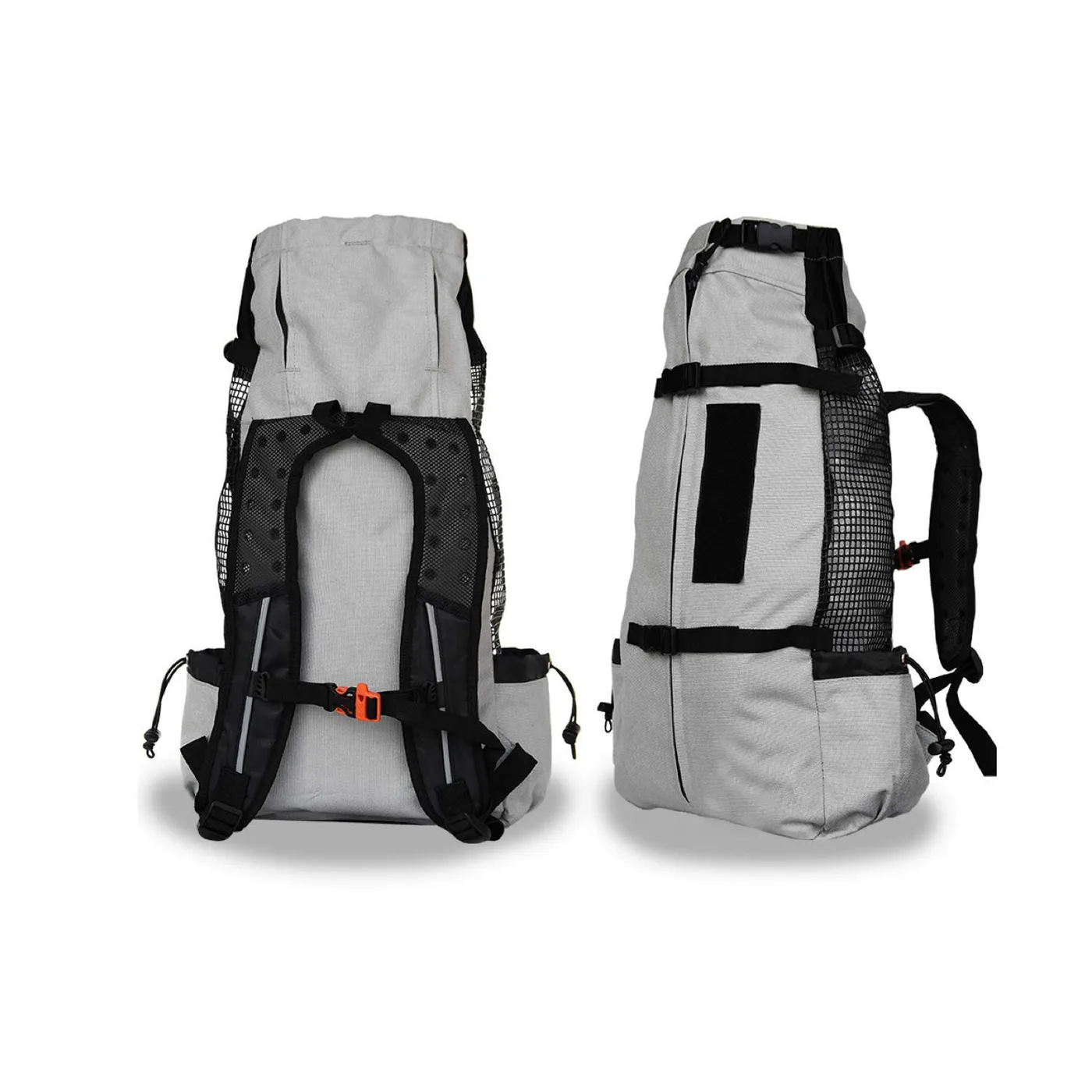
Every improvement must be converted into a standard or it evaporates when the operator who found it moves on. In document terms that means a standard operating procedure, a work instruction at the workstation, and a change record in the style file. Our production team works to written procedures under the ISO 9001 framework audited at the SGS-verified production base, and the same expectation should be written into your purchase terms.
Change control is the clause buyers most often forget. A supplier may legitimately improve a process - switching a thread supplier, changing a foam density, moving from a single to a double needle on one seam - and each change can alter hand-feel, weight or durability. Requiring written notification plus a comparison sample before any material or method change takes effect on your orders costs nothing and prevents the most common source of downstream disputes.
Records retention is the third piece. For pet bags sold into regulated markets you may need to demonstrate, years later, which fabric lot and which hardware batch went into a shipment. A quality system that keeps incoming material records, inspection reports and packing lists tied to a work order number is what makes that possible. Ask how long records are kept and whether you can request a copy by order number.
Corrective action is where documentation earns its keep. A nonconformance should produce a stated root cause, a stated countermeasure, a responsible owner and a verification date - not just a sentence saying the issue has been noted. When you review a corrective action report, check that the verification date has passed and that the metric actually moved; a closed item with no measured result is a reopened problem waiting for the next order.
Audit trails also protect the commercial relationship. When a claim arises months after delivery, the ability to pull the inspection report, the material lot numbers and the packing list for one work order turns a dispute into a lookup.
Writing Improvement Clauses Into a Supply Agreement
Continuous improvement only survives a price negotiation if it is contractual. The simplest effective clause is an annual productivity target: the supplier commits to a documented cost or yield improvement of a stated percentage on repeat styles, and the two parties agree in advance how the benefit is shared. Without a sharing rule, the supplier has no reason to volunteer a gain and every reason to bank it.
The second clause is data access. Specify that the buyer receives, per shipment, the final inspection report at AQL 2.5, the defect Pareto, and carton-level packing data. The third is audit and walkthrough rights, including the right to review the style revision log. None of these are unusual requests in wholesale pet bag sourcing; suppliers running a genuine system will agree to them quickly, and hesitation is itself useful information.
Finally, tie improvement to commercial continuity rather than to a one-off discount. A supplier that knows a better second year follows a well-documented first year will fund the engineering work - jigs, templates, marker optimisation - that a transactional buyer never sees. That is the compounding return kaizen promises, and it is available to any buyer willing to measure it.
For programs that need documented system evidence before signing, align your requirements with the management-system principles described by ISO 9001 quality management, and verify certificates and test reports through an independent body such as SGS.
Finally, define what happens when the target is missed. An improvement clause without a consequence is a press release; one with a defined review, an agreed corrective plan and a clear data request remains a working management tool. Keep the tone commercial rather than punitive - the objective is a cheaper, steadier second year, not a penalty invoice.
Building an Improvement Calendar Around Your Reorder Cycle
Continuous improvement needs a rhythm, and the natural rhythm is your reorder calendar rather than the supplier's internal schedule. A workable pattern is to place the improvement review two weeks after each delivery: inspection results are final, returns data has begun to arrive, and there is still enough time before the next booking to act on what you learned.
Each review should close three items. Confirm which countermeasures from the previous cycle actually held, agree the one or two changes for the next lot, and update the cost breakdown so the saving is visible in the quotation rather than remaining an internal statistic. Keeping the agenda to three items is deliberate: improvement programs fail more often from overload than from lack of ideas.
Align the calendar with your commercial cycle too. If you book two seasons a year, schedule the larger specification changes - fabric platform, hardware family, packaging format - for the season boundary, and keep the in-season reorders to process-level improvement only. This protects the continuity of what is already on shelf while still letting the cost base move.
Over a full year the compounding is straightforward to model. A 500-piece program repeated six times, with a 1.5 percent cost improvement applied at each cycle, ends the year roughly 9 percent below where it started on the same specification. That is the practical case for treating improvement as a scheduled activity rather than an occasional request.
One caution: do not let the calendar drive unnecessary change. A style that is already stable, already compliant with your channel requirements and already selling well should be left alone. Improvement effort is best spent on the styles with the highest reorder volume or the highest defect cost, and the discipline of doing nothing to a healthy style is part of running a mature sourcing program.
Order and quality terms
- MOQ 500 pieces per colourway; samples in 6-10 working days
- Bulk production 35-50 days after approval; AQL 2.5 inspection standard
- T/T 30/70 terms, FOB Xiamen, full document set per shipment
People Also Ask
How do you measure continuous improvement in a factory?
Track four numbers per style per run: minutes per unit, cut yield percentage, first-pass yield and defect Pareto. Improvement is real only when these trend in the right direction across at least three consecutive orders.
What is the difference between kaizen and cost cutting?
Kaizen removes waste - wasted fabric, waiting time, rework, excess carton volume - while holding the specification. Cost cutting usually changes the specification, which shifts risk to the buyer as returns and complaints.
How long does a kaizen cycle take in bag production?
A single improvement cycle fits inside one reorder: identify the top defect category, apply a countermeasure, produce the next lot, and compare the metrics. That is typically one to two production cycles, or roughly two to three months.
Does continuous improvement require a factory visit?
No. Most evidence is documentary: revision logs, yield data, inspection reports and cost breakdowns. A visit helps confirm culture, but the data should be requestable remotely before you travel.
What is first-pass yield and why does it matter?
First-pass yield is the share of units passing final inspection without rework. It matters because rework consumes line capacity booked for the next order, which is a leading cause of slipped ship dates.
How do I stop silent material substitutions?
Add a change-control clause requiring written notification and a comparison sample before any fabric, foam or hardware change applies to your orders. Then verify against the revision log at each delivery.
Can small orders benefit from process improvement?
Yes, particularly through changeover reduction. When set-up time falls, the cost penalty of repeating a 500-piece lot shrinks, making frequent small runs economically sensible.
Frequently Asked Questions
What is kaizen in pet bag manufacturing?
It is a working habit of making small, measured improvements to every repeat style. In wholesale pet bag programs it shows up as documented gains in cut yield, minutes per unit, first-pass yield and packing cube, recorded in a style revision log the buyer can request.
How much cost can continuous improvement realistically remove?
Across two reorder cycles, 4-8 percent of unit cost is a realistic range for a stable style, achieved through process waste rather than material downgrades. Larger single-step discounts usually signal a specification change.
Does kaizen change the MOQ for wholesale pet bags?
No. The commercial minimum stays at 500 pieces per colour. What changes is the effective cost of running that size, because faster changeovers and first-piece approval reduce the set-up penalty of repeated small lots.
How do I verify a supplier actually runs improvement cycles?
Ask for six months of style-level data: minutes per unit, cut yield, first-pass yield and defect Pareto. A supplier with a live system can produce those from records; one without will offer a narrative instead.
What is the link between kaizen and AQL 2.5?
AQL 2.5 is the inspection pass gate; kaizen moves the defect distribution away from that gate. Improving first-pass yield means fewer lots arrive near the reject threshold, which reduces rework delays and chargeback risk.
Who pays for jigs and templates used in improvement work?
Simple jigs are normally absorbed by the supplier as part of holding the business. Dedicated tooling with a defined payback is better handled as a shared investment with an agreed recovery schedule written into the order terms.
Can improvement work delay my bulk production window?
It should not. Process changes are proven on a trial or a pilot lot, not during a confirmed 35-50 day bulk run. Insist that any unproven change is tested before it is applied to your confirmed orders.
How does sampling fit into a continuous improvement program?
Sampling is where most calendar time is lost, so it is the first place to look. Pre-approved material libraries and a 48-hour buyer response window typically remove more days than any change on the production side.
Should improvement savings be shared with the buyer?
Yes, and the split should be agreed before the work starts. A written annual productivity clause with a defined sharing rule is the cleanest way to convert supplier efficiency into buyer margin.
What documents should I attach to a purchase order?
The current spec sheet with revision number, the approved material list, the inspection standard naming AQL 2.5, the packing specification, and the change-notification requirement. These five make the order auditable.
How does kaizen interact with ISO 9001 certification?
ISO 9001 supplies the documentation framework - procedures, records, corrective action - while kaizen supplies the daily content that fills it. A certificate alone proves a system exists, not that it is improving anything.
Can improvement work cross over between different pet bag categories?
Yes. Marker nesting gains, packing cube reductions and changeover methods transfer readily between totes, backpacks and sling styles, so a buyer with several categories benefits disproportionately from one supplier's learning.
Talk to QUANZHOU JUNYUAN BAGS about a wholesale pet bag order: MOQ 500 pieces per colourway, samples in 6-10 working days, bulk production in 35-50 days under AQL 2.5 inspection.
Get a free quote Request a sample