Scratch Resistant Pet Bags: Cat Proof Material and Sourcing
Scratch-resistant pet bags for cats should be specified by snag resistance and surface recovery rather than by thickness: a snag rating of 4-5 after standard testing, a coating that recovers from light surface scoring, and a weave tight enough that a claw tip cannot enter the cloth plane. In procurement terms this means a high-thread-count woven shell with a PU or TPU face, a mesh with sub-2 mm aperture, and a scratch-recovery acceptance grade written into the tech pack. Bags built this way typically add 0.30-0.55 USD per unit over a standard retail shell and cut appearance-related returns materially.
Cat programmes fail on appearance long before they fail structurally. A cat rarely destroys a bag; it marks the surface, pulls a thread and leaves a visible run that the owner reads as a defect and returns. That makes scratch resistance a returns-management lever as much as a durability one, and it changes what a buyer should specify: snag class, surface recovery, aperture size and pile height, not just denier. Our production team grades cat programmes on four measurable properties and quotes each separately, because a buyer selling at a boutique price point needs appearance retention while a buyer supplying shelters needs structural survival. Qualification sampling runs 6-10 working days and includes snag testing on the exact production finish, since finishing changes the surface friction and therefore the scratch result. Bulk production is 35-50 days from approved sample, inspected to AQL 2.5 with visible snags and runs classified as functional defects. Standard terms are MOQ 500 pieces per colourway, T/T 30/70 and FOB Xiamen.
Bulk pet bag orders consolidate best when carton dimensions are fixed early, and Material & Technology decisions are what fix them. Bulk pet carrier orders that mix sizes inside one carton save freight but complicate the packing line, so the trade-off should be priced rather than assumed.
Scratch vs Snag vs Puncture: Three Different Failures
Cat damage is usually described as scratching, but the mechanisms are distinct and each needs its own specification line. Surface scoring is a cosmetic change: the claw abrades the face and leaves a lighter mark on a coated or printed surface, with no structural loss. Snagging is the one that generates returns: the claw catches a yarn or a filament and pulls it out of the plane, creating a visible loop or run. Puncture is structural: the claw pushes through and the panel is breached. A material can resist all three, two of three, or none.
The buyer's spec should name the failure being prevented. For boutique retail the dominant complaint is snagging, which is an appearance defect on an otherwise sound bag. For airline-adjacent and carrier programmes the concern is puncture, because a breach is an escape risk. For shelter and multi-cat programmes both matter, plus disinfection compatibility. Writing one generic "scratch resistant" line into a tech pack means the factory will optimise for whichever is cheapest to claim.
Snag resistance is measured on a standard apparatus that drags a weighted spike or a rotating mace across the specimen and grades the resulting damage against reference photographs, typically on a 1-5 scale where 5 is no change. The method is maintained by the textile standards bodies and the report you receive will reference either the ASTM or the AATCC version: ASTM International publishes the snag and abrasion method families and AATCC catalogues the textile test methods most commercial labs report against. Name one and state the minimum grade.
Surface recovery is the less formal but equally important property: whether a light score mark disappears with gentle rubbing or heat, or whether it remains permanently. There is no universal standard for it, so buyers should define an internal test - a defined stylus, a defined load, a defined recovery procedure - and apply it consistently across seasons so results are comparable.
Weave Tightness and Aperture: Keeping the Claw Out of the Plane
A claw does damage when it enters the plane of the cloth. If the surface is tight and flat enough that the tip skids across it, the result is a light score; if the tip catches a yarn crown or enters a mesh aperture, the result is a snag or a run. Weave tightness and aperture size are therefore the first two variables a buyer controls, and both are cheap to specify.
Thread count is the practical expression of tightness on woven shells. Two fabrics of the same denier can differ widely in ends and picks per centimetre, and the tighter one will resist claw entry substantially better. Mills publish thread count, but buyers rarely request it; adding it to the tech pack is free and removes the most common source of sample-to-bulk drift, because a mill can substitute a looser cloth at the same denier and weight without technically breaking the spec.
Aperture governs mesh. Monofilament mesh with an aperture under 2 mm prevents most claw tips from entering, and the stiff monofilament strand resists the lateral shear that turns a catch into a run. Knitted Raschel mesh of similar weight has larger effective apertures and softer strands, which is why it snags. Where ventilation demands a more open panel, the solution is geometric: increase the panel area or add baffled vents rather than enlarging the aperture.
- Specify thread count, not just denier: it is the variable that actually governs claw entry.
- Keep mesh aperture below 2 mm: smaller apertures prevent tip entry entirely.
- Prefer monofilament over knitted mesh: stiffer strands resist shear and run propagation.
- Solve ventilation geometrically: add area or baffles instead of enlarging apertures.
Substitution is the risk that makes these specifications worth writing. A mill can supply a cloth at the same denier and nominal weight with a looser weave, and unless thread count appears in the tech pack the change is invisible at goods-in and only shows up as returns three months later. Our production team records the thread count and aperture of the approved sample and re-verifies both against the bulk fabric, because catching a substitution before cutting is the only point at which it is cheap to fix.
Coatings and Surface Films That Make Marks Disappear
Face coatings are the most effective tool against visible scoring, because they turn a multi-yarn surface into a continuous film. A PU face of moderate grammage lets a light claw mark recover with gentle rubbing, and a TPU face does the same while adding abrasion and hydrolysis resistance. The trade-off is hand feel and breathability: a heavier face makes the bag stiffer and warmer, which matters in a ventilated pet product.
Film thickness is where buyers overspend. A face coating heavy enough to feel like vinyl will resist marks well but will crack at folds and add weight; a face too light will mark identically to an uncoated cloth. The workable range for pet bag shells is a moderate application that leaves the weave visible but fills the interstices between yarn crowns. Specify grammage as a range with a tolerance rather than as a target, and verify it on the production lot.
Finish chemistry interacts with coating performance and must be documented. A durable water-repellent top finish changes surface friction and can either improve or worsen mark visibility depending on the coating beneath it, so the finish and the coating should be approved together, never sequentially. Any chemical applied must also satisfy the destination market's rules; EU programmes require documentation under the substance regime administered by ECHA, and many retailers additionally request OEKO-TEX STANDARD 100 article certification.
Print and pattern are also part of the surface decision. A printed or embossed pattern breaks up the visual field and makes a light score far less legible to the customer, which is a cheap appearance improvement that costs no more than the print itself. Buyers choosing between a plain and a patterned shell for a cat programme should treat the pattern as part of the scratch strategy rather than purely as a styling decision.
Dark colours deserve a note. Scratch marks are far more visible on dark, matte and coated surfaces because the score exposes a lighter substrate or changes the surface reflectance. Buyers selling dark colourways should raise the snag grade requirement by one step or choose a coating with better recovery, and should always approve the dark shade sample rather than extrapolating from a light one.
Panel Geometry: Where Cats Scratch and How to Redirect It
A cat scratches where it can brace. The predictable targets are the vertical surface at the opening, the interior side walls near the door, and the base panel where the animal turns. Panels that are taut and flat present a poor scratching surface; panels that are slack, curved or padded invite the behaviour because the claw gets purchase. Geometry is therefore the cheapest intervention available and the one most often overlooked.
Three geometric changes do most of the work. Taut panel construction removes the drape that lets a claw catch; a slightly tensioned side wall over a semi-rigid insert resists both scratching and snagging. Scratch-direction management places a sacrificial or replaceable panel where the animal naturally targets, so the visible outer surface stays clean. Interior smoothing removes loose liners, hanging labels and exposed seam allowances that a cat will choose over the shell.
Sacrificial panels deserve wider use. A bonded, replaceable interior panel at the scratch zone costs little, absorbs the damage that would otherwise be a return, and can be offered as a spare part - which converts a warranty cost into an accessory sale. For premium programmes a moulded or laminated scratch plate at the door area achieves the same effect with no textile surface at all.
The opening detail is the highest-risk zone because it combines an edge, a closure and the animal's natural exit direction. A covered zipper garage, a bound opening and a smooth interior transition to the closure remove the three most scratched elements at once.
Padding is a double-edged tool that deserves care. A lightly padded side wall feels premium and resists snagging because the surface stays taut, but heavy padding creates a soft, grippable plane that many cats prefer to scratch. Where padding is used in a cat programme it should be firm and bonded to the shell rather than loose, and it should never be presented at the door area where the animal naturally braces.
Balancing Ventilation Against Claw Resistance
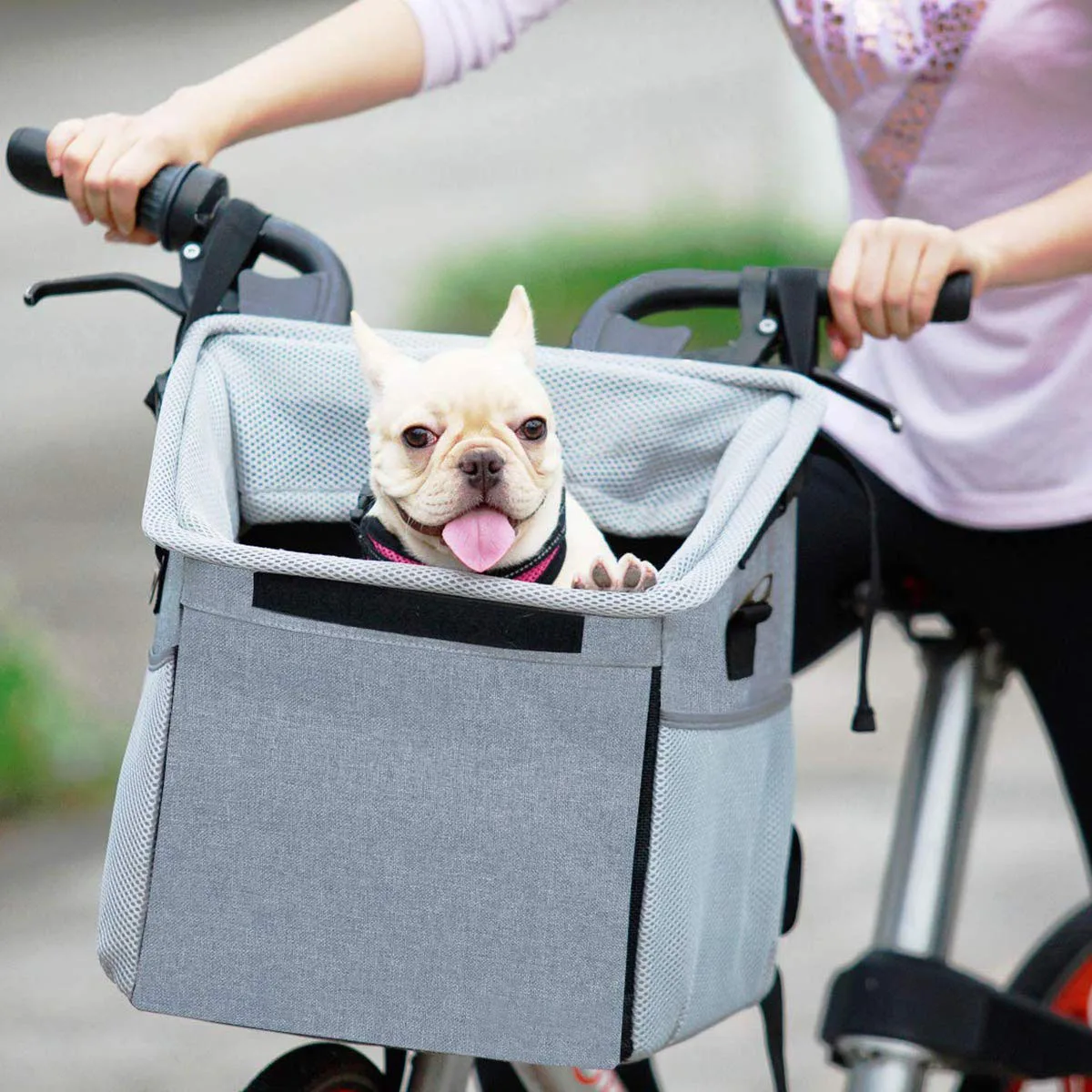
Ventilation and claw resistance pull in opposite directions, and the resolution is almost always geometric rather than material. A small-aperture mesh panel of larger area delivers more airflow than a large-aperture panel of smaller area while keeping the claw out, and a baffled vent with a covered inlet does the same without presenting any textile surface at all. Programmes that treat ventilation as a material choice end up compromising one property for the other; programmes that treat it as a layout problem usually get both.
Grading Cat Programmes: What to Specify by Price Point
Not every cat programme needs the same scratch package, and the right spec depends on the price point and the return economics of the channel. Boutique programmes sell on appearance and can justify a premium face coating because a visible mark produces a return at full retail value. Mass retail programmes sell on price and should concentrate on snag resistance at the openings and apertures rather than on a premium face. Shelter programmes need structural survival and cleanability above all.
| Programme | Minimum snag grade | Face coating | Mesh aperture | Added cost / unit (USD) |
|---|---|---|---|---|
| Mass retail cat tote | 3-4 | Light PU, 12-18 g/m² | < 2.5 mm | 0.22 |
| Specialty pet retail | 4 | PU, 18-28 g/m² | < 2.0 mm | 0.36 |
| Boutique / premium | 4-5 | TPU face, 25-35 g/m² | < 1.6 mm | 0.55 |
| Shelter / multi-cat | 4 | TPU, hydrolysis resistant | < 2.0 mm + scratch plate | 0.72 |
The cost column is the useful part of this table: the entire range from mass retail to premium is under 0.75 USD per unit, which is small against a typical claim cost. The decision is therefore rarely about affordability and almost always about whether the buyer knew the option existed and specified it in time.
One caveat on grading: snag grades are visual and somewhat subjective, which is why the report should include the reference-photo comparison and the lab should be accredited. A grade reported without a method and without photographs is an opinion, and it will not survive a dispute.
Returns Economics: Why Appearance Drives the Spec
Scratch damage produces a distinctive returns pattern that buyers can plan for. The return arrives early, typically within the first month; the product is structurally sound; and the customer's complaint is about appearance. Because the unit is often unsaleable as new but perfectly usable, the loss is the full retail margin plus handling, and it lands in the period when a programme's cash position is weakest.
Return rate is the number that should drive the material decision. If a cat programme returns 4% of units for appearance reasons and the margin is 35%, the loss is roughly equivalent to 1.4% of revenue - which will usually exceed the cost of a premium face coating many times over. Buyers who model this once tend to specify scratch packages permanently; buyers who never model it tend to fight the same argument every season.
Classification at inspection matters here too. Snags and runs should be classified as functional defects at goods-in, because a visible run on arrival is a customer return waiting to happen. Agreeing this classification before bulk starts, alongside AQL 2.5, is what makes the clause bite. Our production team treats any snag visible at arm's length on a finished unit as a reject rather than an allowance, and says so at quotation stage so expectations are aligned.
Photographic standards help. A one-page reference sheet showing acceptable and unacceptable surface condition, agreed by both sides before bulk, removes most inspection arguments and costs nothing to produce.
The other half of returns economics is the second-order effect on the listing. Appearance complaints left unresolved become reviews, and reviews on a marketplace listing reduce conversion for the whole SKU rather than for one unit. Buyers selling through channels where review velocity drives ranking should weight that effect heavily, because the cost is diffuse and easy to miss in a per-unit calculation.
Cleaning, Disinfection and Long-Term Surface Stability
Cat programmes in shelter, boarding and clinical settings face a different enemy: repeated cleaning. Disinfectants attack coatings, and a face film that resists claws well may craze or dull after fifty wipe-downs. Hydrolysis-resistant TPU is the usual answer, and it should be specified explicitly rather than assumed, because standard PU coatings vary widely in their resistance to hydrolysis.
Colour stability is the other long-term variable. Scratch marks are more visible on faded or chalked surfaces, so colour fastness to rubbing and to light belongs in the same specification as the scratch package. Standards for colour fastness are published by the textile bodies and reported by accredited labs, and a minimum grade should be stated alongside the snag grade.
Odour control is often bundled into cat programmes and interacts with coating choice. An anti-microbial or odour-control finish adds a chemical documentation requirement and must be assessed under the destination market's rules; it should be approved in the same conversation as the face coating rather than added late, because late additions are the usual cause of a compliance file arriving after the bulk date.
For general guidance on animal welfare expectations in transport and holding, buyers can reference the American Veterinary Medical Association, whose materials explain why surface integrity and cleanability are treated together in professional settings.
Verification: Sampling, AQL and the Snag Acceptance Clause
The clause that makes scratch performance real has five parts, and all five should appear in the tech pack rather than in an email. Written into the order, they convert a subjective property into something a lab and an inspector can both act on.
- Method and grade: named snag method with edition year and a minimum grade, reported against reference photographs.
- Specimen source: the production lot, with the lot number printed on the report.
- Finish state: tested on the production finish, not on greige cloth or a lab application.
- Surface recovery: an internal stylus-and-recovery test with a defined pass criterion.
- Remedy: lot rejection or documented replacement material at the supplier's cost.
Sampling should be realistic about variability. Snag results vary across a roll, so five specimens per panel type with the lowest individual grade reported is a workable default. Averaging hides the problem: a fabric with grades of 4, 4, 4, 2 and 2 will produce returns even though its average looks acceptable.
At goods-in, inspectors need a visual standard. A printed reference sheet with agreed photographs, applied under AQL 2.5 with snags classified as functional, gives an inspector something defensible to work from and removes the argument about whether a mark is acceptable.
Finally, record the approved sample properly. Keep a sealed reference unit from the approved lot alongside the report and the photographic standard; when a bulk shipment is disputed, the comparison is made against that physical unit rather than against memory. Our production team retains reference units for the season, and buyers who keep their own copy resolve disagreements in hours rather than weeks.
Briefing a Supplier for a Cat-Proof Programme
A complete brief fits on one page: target snag grade, face coating type and grammage range, mesh aperture, colour fastness grades, chemical documentation for the destination market, panel geometry requirements, test methods with edition years, sampling rule and remedy. Everything else can be resolved during sampling.
Buyers should also state which failure the brief is optimising for. A package built to stop visible snags is not the same package as one built to stop a breach, and a factory asked for both will price the stricter one. Naming the priority in one sentence is usually what keeps the quotation aligned with the budget.
Sampling and Bulk Timing
Qualification sampling runs 6-10 working days and covers snag testing on the production finish, aperture verification, colour fastness and surface recovery. Bulk production is 35-50 days from approved sample. Dark colourways should always be sampled separately because mark visibility differs enough to change the grade requirement.
Questions That Reveal Supplier Experience
Ask whether the snag report references a named method and includes photographs, whether the coating is hydrolysis resistant, whether the mesh aperture is stated as a number, and whether dark shades were sampled separately. Suppliers who answer all four immediately have built cat programmes before; those who need to check have not, and the first season is where that difference shows up.
Commercial Terms
Standard terms are MOQ 500 pieces per colourway, T/T 30/70 and FOB Xiamen. Buyers launching multiple colourways should note that each colourway carries its own MOQ and its own dye-lot consideration, which is usually the deciding factor in how many shades a first order can carry.
Production capability
- SGS-verified production space of 4,950 m², 149 machines, 7 assembly lines
- Pet bag output since 2014 from a 137-person team
- 200,000 units shipped monthly under BSCI and ISO 9001 systems
People Also Ask
What makes a pet bag scratch resistant for cats?
Three properties together: a tight weave that prevents a claw tip entering the cloth plane, a face coating that lets light scores recover, and a mesh aperture under 2 mm. Specified as a snag grade of 4 or better plus a coating grammage range, these typically add 0.30-0.55 USD per unit.
What is a good snag resistance grade for pet bags?
Grade 4 is the practical minimum for specialty pet retail and grade 4-5 for boutique programmes, on the 1-5 scale used by standard snag test methods. Grade 3-4 may be acceptable for mass retail totes where appearance returns are less costly.
Does a coating really stop scratch marks?
A PU or TPU face coating turns a multi-yarn surface into a continuous film, so light claw marks recover with gentle rubbing instead of becoming visible scores. Too heavy a coating cracks at folds and adds weight, so specify a grammage range rather than a target.
What mesh is best for cat-proof pet bags?
Monofilament polyester mesh with an aperture under 2 mm. The small aperture prevents the claw tip from entering, and stiff monofilament strands resist the lateral shear that turns a catch into a visible run.
Why are scratch marks worse on dark pet bags?
A score exposes a lighter substrate or changes surface reflectance, so marks read more strongly on dark matte and coated surfaces. Dark colourways should carry a snag grade one step higher and must be sampled separately from light shades.
How much does scratch resistance add to unit cost?
Between 0.22 USD for a light PU face on a mass retail tote and 0.72 USD for a hydrolysis-resistant TPU face with a scratch plate on a shelter-grade build. The full range is under 0.75 USD, which is small against typical claim cost.
Are snags cosmetic or functional defects at inspection?
Functional. A visible snag or run on arrival becomes a customer return, so snags should be classified as functional defects and inspected to AQL 2.5 against an agreed photographic reference sheet rather than treated as an appearance allowance.
Frequently Asked Questions
How is snag resistance measured?
A standard apparatus drags a weighted spike or a rotating mace across the specimen and the resulting damage is graded against reference photographs on a 1-5 scale, where 5 is no change. The report should name the method edition and include the photographic comparison.
Can a cat destroy a well-specified pet bag?
A determined cat can damage any textile, but a well-specified bag resists snagging, prevents claw entry and recovers from light scoring, which converts a structural failure into a cosmetic mark. The product should still be labelled for supervised use.
Should I specify thread count as well as denier?
Yes. Thread count governs how tightly yarns are packed and therefore whether a claw tip can enter the plane, while denier only describes yarn thickness. Specifying both prevents a mill substituting a looser cloth at the same weight.
What is the difference between a snag and a puncture?
A snag pulls a yarn out of the cloth plane and is primarily a visible defect on a structurally sound bag, while a puncture breaches the panel and creates an escape risk. Cat programmes need both numbers specified separately.
Do sacrificial panels make sense for cat products?
Yes. A bonded, replaceable interior panel at the natural scratch zone absorbs damage that would otherwise become a return and can be sold as a spare part, converting a warranty cost into an accessory sale.
Is TPU worth the premium over PU for cat programmes?
For premium and shelter programmes, generally yes: TPU adds hydrolysis resistance that survives repeated disinfection and offers better surface recovery. For mass retail at low price points, a PU face in the 12-18 g/m² range is usually the right value.
How does disinfection affect scratch-resistant coatings?
Disinfectants attack standard PU coatings, causing crazing and dulling after repeated wipe-downs. Hydrolysis-resistant TPU should be specified explicitly for shelter, boarding and clinical programmes rather than assumed.
Should colour fastness be specified alongside scratch resistance?
Yes. Faded or chalked surfaces make scratch marks more visible, so colour fastness to rubbing and light belongs in the same specification as the snag grade, with minimum grades stated for both.
Why do cat programmes see early returns?
Scratch returns typically arrive within the first month, on structurally sound products, for appearance reasons. Modelling that rate against margin usually shows the scratch package pays for itself, because the loss is full retail margin plus handling.
How many specimens should a snag test include?
Five per panel type, with the lowest individual grade reported rather than an average. A fabric with grades of 4, 4, 4, 2 and 2 will generate returns even though its average looks acceptable.
What should the inspection reference sheet contain?
A one-page sheet with agreed photographs of acceptable and unacceptable surface condition, applied under AQL 2.5 with snags classified as functional. It costs nothing to produce and removes most inspection arguments.
Do dark colourways need separate sampling?
Yes. Mark visibility differs enough between light and dark shades to change the required grade, so each dark colourway should be sampled and graded separately rather than extrapolated from a light sample.
Talk to QUANZHOU JUNYUAN BAGS about a wholesale pet bag order: MOQ 500 pieces per colourway, samples in 6-10 working days, bulk production in 35-50 days under AQL 2.5 inspection.
Get a free quote Request a sample