Pet Leg Out: Legs Out Design
A pet leg out bag passes the animal's hind legs through two reinforced openings so the rear half of the body stays outside the shell, and the wholesale working range is 2-6.5 kg. Budget FOB Xiamen at USD 5.40-9.80 per piece from MOQ 500 per colour; the cost swing sits in cuff construction, binding method and the labour needed to finish each hole cleanly.
Legs-out bags sell on a photograph and fail on a fit chart. The whole proposition rests on two holes landing exactly where a particular animal's hind legs leave its body, and animals differ far more in that respect than in weight. The build described here puts the openings 30-38 percent forward of the rear seam, finishes each with a 12 mm bound elastic cuff over a bar-tacked reinforcement ring, and backs the assembly with a removable absorbent pad.
Commercial terms follow the house pattern: MOQ 500 per colour, prototypes 6-10 working days after the tech pack is fixed, bulk 35-50 days counted from sign-off on sample, fabric and print, release at AQL 2.5 against a defect list written for openings and cuffs. Payment is T/T 30/70 and pricing is FOB Xiamen. Our production team schedules through an SGS-verified production base and partner facilities, with slots confirmed by deposit and booked materials.
Launch narrow: two sizes in one neutral colour, plus a second colour only after size-level sell-through is visible. Request the quote, the hole position drawing, the wash-test result and the carton dimensions in one package, because legs-out returns are almost entirely geometric and the drawing is what settles them.
Wholesale nylon pet carrier and wholesale polyester pet carrier lines differ mainly in abrasion behaviour, which Pet Bag Types & Styles should record as a cycle count instead of a fabric name. Wholesale eco friendly pet carrier programmes add a certificate cost that is small per unit but fixed per colourway.
Where the Leg Holes Sit and Why Placement Beats Count
Most buyers describe a legs-out bag by the number of holes, which is the least useful fact about it. What decides whether the product works is where those holes sit relative to the animal's hip joint, and that relationship varies enormously across a weight band. Two dogs at 4.5 kg can differ by 5 cm in hip-to-tailbase distance, and the one with the longer measurement will sit with its rear paws jammed against the rear seam in every size that fits its chest.
The practical specification is a position ratio rather than a fixed measurement. Place the centre of each opening at roughly 30-38 percent of total bag length measured forward from the rear seam. That ratio tracks a far wider range of body shapes than a centimetre figure does, and it gives the factory a rule it can apply consistently across sizes.
Hole diameter is the second geometric decision, and it wants to be generous. A cuff that grips firmly at rest becomes a tourniquet when the animal sits down, because the thigh circumference increases under load. Specify the relaxed cuff circumference at 1.25 to 1.4 times the relaxed thigh circumference of the largest animal in that size band, and let the elastic do the closing rather than the hole itself.
Spacing between the two holes matters less than buyers expect and more than factories assume. Too close and the panel between them is narrow, weak and prone to tearing; too far apart and the openings creep onto the flanks, where the legs do not exit. A centre-to-centre distance of 22-30 percent of bag width is a workable target.
Ask the supplier for a flat pattern drawing with the hole position ratio, the diameter and the centre spacing all annotated in centimetres per size. If the drawing only shows one size scaled, reject it, because scaling a hole linearly is exactly how legs-out ranges end up with an unusable small size.
Specification note: buy hole position as a ratio plus a per-size drawing, and treat any quote without the drawing as incomplete.
Cuff Construction: Bound Elastic, Rib Knit, Drawcord and Snap Tab
The cuff is the part of a legs-out bag that actually touches skin for hours, and it is where a cheap unit becomes a veterinary complaint. Four families exist, each with a distinct cost, durability and comfort profile, and the choice should be made deliberately rather than inherited from a reference sample.
Bound elastic is the default. A 10-14 mm elastic tape is folded over the raw edge of the opening and topstitched, giving a soft edge with no exposed seam allowance and a controlled grip. It is cheap, fast, and forgiving of small fit errors, which is why it dominates wholesale ranges. Its weakness is that elastic loses recovery after repeated washing, and a cuff that has gone slack lets a determined animal withdraw a leg entirely.
Rib knit cuffs, cut as a tube and set into the opening, cost more in material and one extra operation, but they recover far better after washing and they distribute pressure over a wider band. For a premium tier or for a range targeted at daily use rather than occasional outings, rib knit is worth the increment.
Drawcord cuffs add an adjustable element, which helps a range cover a wider thigh spread at the cost of an extra component, an extra operation and a cord that has to be managed, tested for entanglement and listed in the bill of materials. Only specify it if the size chart genuinely needs the tolerance.
Snap tabs are an addition rather than a cuff type: a small webbing tab with a snap that closes over the top of the opening to stop a leg withdrawing when the animal is calm. They are an effective safety backstop and a visible feature on a hangtag, and they add one bar-tack per side.
The comparison table below is the format a buyer should send with the request for quotation.
| Cuff method | Added cost per unit | Recovery after 20 washes | Chafe risk | Assembly minutes | Best tier |
|---|---|---|---|---|---|
| Bound elastic 10 mm | baseline | 70-80 percent | Low if edge is fully bound | 2.0-2.5 | Entry and core |
| Bound elastic 14 mm | +2 to 4 percent | 75-85 percent | Lowest | 2.5-3.0 | Core |
| Rib knit tube | +8 to 12 percent | 90-95 percent | Low | 3.5-4.5 | Premium and daily use |
| Drawcord over bound edge | +10 to 14 percent | Depends on cord | Medium at the cord channel | 4.5-5.5 | Wide-tolerance ranges |
| Bound elastic plus snap tab | +6 to 9 percent | Same as base | Medium at the tab | 3.5-4.0 | Core with safety story |
Read the assembly minutes column as seriously as the cost column. Legs-out bags are labour-heavy relative to their size, and a cuff that adds two minutes per opening adds four minutes per unit, which at 500 units is a full working day on the line.
Whichever method is chosen, the raw edge of the hole must be fully enclosed. An exposed cut edge inside a cuff is the most common source of a chafe complaint, and it is invisible in a product photograph.
Specification note: pick the cuff by wash recovery and assembly time, not by appearance, and confirm that the raw edge is enclosed on the golden sample.
Chafe Points: Binding Width, Seam Direction and Liner Hand-Feel
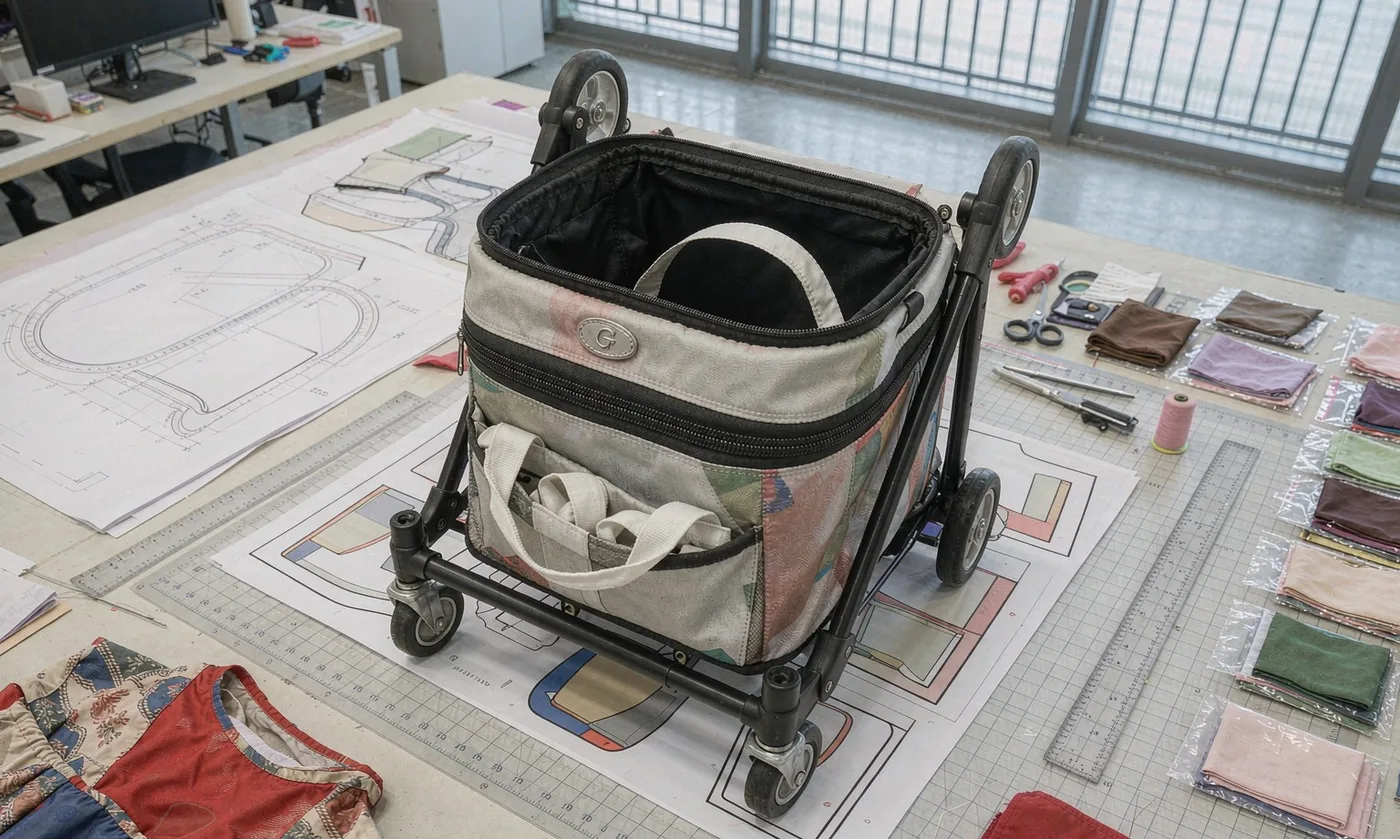
Chafe is the failure mode that generates the worst kind of review, because it appears after real use rather than at unboxing and it reads as a welfare issue rather than a quality one. Nearly every instance traces back to one of three decisions that were made for cost or speed.
Binding width comes first. A 6 mm binding over a hole concentrates all the movement of a walking animal into a narrow line of contact and produces a rub mark on the inner thigh within an hour. Moving to 12 mm spreads the same movement and usually eliminates the problem. The material cost difference is trivial; the pattern change is not, so specify it before the first sample rather than after.
Seam direction is second. The seam that joins the cuff to the shell should run away from the animal, not into it. This sounds obvious and is routinely missed when a factory adapts a pattern from a different product family. Check the golden sample by turning the opening inside out and running a finger along the inside: if you feel a ridge, the seam is on the wrong side.
Liner hand-feel is third. A legs-out bag puts a large area of fabric against bare skin where a fully enclosed bag would put it against a fur-covered flank. A harsh polyester taffeta liner produces static, sticks to damp skin and rubs. A brushed tricot or a cotton-rich knit costs more per metre and transforms the product. For a core tier, brushed tricot is the right answer; for entry, at minimum specify a soft finish rather than a crisp finish on the same base fabric.
Thread choice contributes too. A heavy bonded nylon thread feels like a wire when it sits against skin; a fine polyester thread with the same strength is kinder. Specify thread count and type in the bill of materials rather than leaving it to the line.
Finally, check for internal labels placed inside the openings. A care label tucked into the leg area is a chafe generator that no amount of cuff engineering can fix, and it should be relocated to the outer shell before tooling.
Specification note: 12 mm binding, outward seam, brushed liner and no labels inside the openings; verify all four on the inside of the sample, not on the outside.
Wash Cycles, Soiling and the Leakage Risk Buyers Under-Price
Legs-out bags get dirty faster than any other carry family, for a reason that is structural rather than behavioural: the animal's rear end is outside the shell but close to the fabric, and a nervous animal on a first outing frequently empties its bladder. Wholesale programmes that ignore this end up with a high star rating and a steep return tail.
Start with the pad. Every legs-out build should include a removable absorbent pad seated under the animal's torso, held by hook-and-loop or by a sleeve, and sold with at least one spare. The pad protects the shell, shortens the cleaning cycle and gives the retailer a consumable attach sale. Without it, the lining absorbs the accident and the product is effectively single-use for that customer.
Shell washability follows. Specify a machine-washable construction at 30 degrees with the base board removed, and state the cycle limit on the care label. Ask the supplier for a wash test at five, ten and twenty cycles checking cuff recovery, seam integrity, colourfastness and any delamination of the board covering. Cuff recovery numbers from that test belong in the specification.
Colour choice interacts with soiling. Light linings show every mark and drive wash frequency, which drives cuff wear. A mid-tone lining hides soiling between washes and measurably extends the life of the elastic. This is a rare case where a slightly darker specification improves both the customer experience and the durability outcome.
Odour control is worth specifying rather than hoping for. A lining with a durable antimicrobial finish adds a small cost and delays the smell that otherwise arrives within a season of daily use. Ask for the finish name and the standard it was evaluated against, and confirm it is applied to the lining rather than merely claimed for the fabric.
Drying time belongs on the hangtag. A legs-out shell with a removable board and a thin lining dries overnight; one with a laminated foam floor does not. Slow drying is a repeat-purchase killer in multi-pet households.
Specification note: price in a removable pad and a spare, specify wash-test recovery at twenty cycles, and choose a mid-tone lining to keep the wash interval sane.
Grading a Legs-Out Range by Torso Length and Thigh Girth
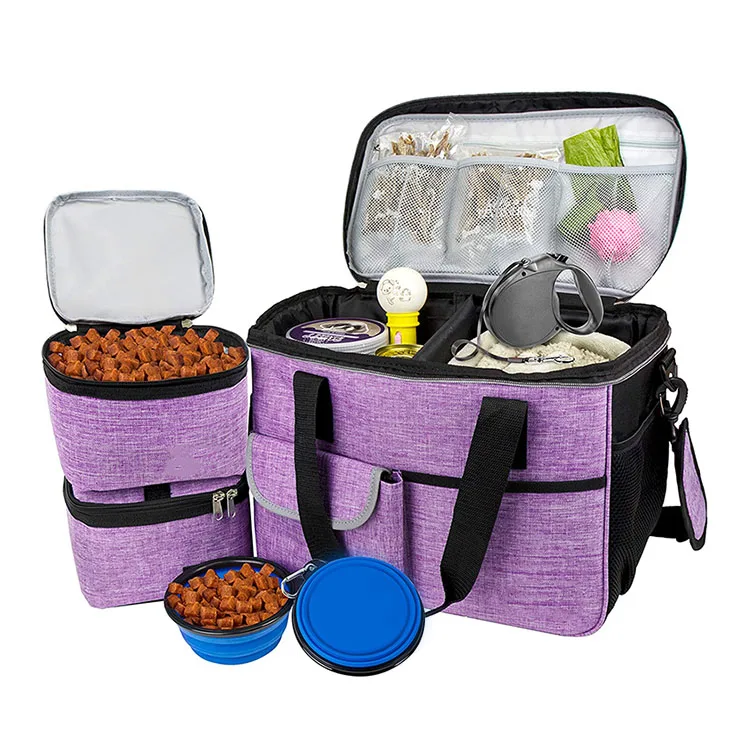
Weight grading does not work for this family. Two animals at 3.5 kg can have thigh circumferences 4 cm apart, and the one with the thicker thigh will be squeezed by a cuff that is correct for its weight. Grade on two measurements and let weight be a filter.
First measurement is torso length, taken from the base of the neck to the base of the tail along the spine. This decides shell length and, through the position ratio, hole placement. Second is thigh circumference at the widest point, taken with the animal standing. This decides cuff circumference.
Publish both, plus a third figure that buyers usually omit: hip-to-tailbase distance. That third number determines whether the animal can sit down inside the bag without the rear seam cutting into it, and it is the source of most legs-out dissatisfaction.
Boundary handling needs explicit instruction. Where torso and thigh put an animal in two different sizes, take the larger. A cuff that is slightly loose is tolerable; one that is tight on the thigh is not, and the return cost of the second case is several times the first.
Size count should stay at two for a first order. Three sizes in a legs-out range multiplies hole-pattern risk without adding proportional volume, because the middle size usually absorbs most of the demand. Add the third once size-level sell-through exists.
Fit panels need at least four animals per size, spanning short-backed, long-backed, thick-thigh and thin-thigh types, and each should be observed walking and sitting, not just standing. Photograph the cuff from inside and out at rest and under load. The seated photograph is the one that predicts returns.
Note that this family is not suitable for animals with hip dysplasia, rear limb injury or advanced arthritis, and that exclusion belongs on the hangtag. It protects the merchant and it is the honest position.
Specification note: grade on torso plus thigh, resolve boundaries upward, and run a seated fit check before the pattern is frozen.
Cost Model: Hole Reinforcement and Added Labour Minutes
Indicative FOB Xiamen for a legs-out build runs USD 5.40-9.80, which is low relative to most carry families because the shell is small, and misleading for the same reason. The cost that matters is concentrated in the openings, and it is mostly labour.
Each hole needs a reinforcement ring before the cuff goes on. Without it, the stress of a moving leg works the fabric at the raw edge and the opening tears outward within weeks. A ring of woven tape bar-tacked at four points, or a fused interfacing patch, adds material cost of a few cents and roughly a minute of labour per opening. With two openings that is two minutes a unit, which is the single largest discretionary labour item in the build.
Cuff method is next, as set out in the earlier table. The spread between a 10 mm bound elastic and a rib knit tube is eight to twelve percent of unit cost and two additional minutes of assembly. Decide it against the tier and the intended use frequency rather than against the target price.
Liner grade follows. Brushed tricot over a crisp taffeta is a modest material increment and a large perceived-quality increment, and it should be treated as a core-tier standard rather than a premium option.
The absorbent pad and its spare are a real line item and should appear explicitly rather than being buried in the trim allowance. It is also the cheapest way to reduce the return tail described earlier.
Packing matters more than usual here. Legs-out shells pack flat and light, so per-unit freight is low and master cartons can hold many units; the constraint is usually carton count for retail distribution rather than cube. Confirm units per carton and carton dimensions with the quote so the warehouse can plan pick faces.
Textile test references for colourfastness and washing can be framed against AATCC textile test methods, and restricted substance declarations for the liner and elastic are typically aligned with OEKO-TEX textile standards. Name the scope in the request so laboratory cost lands in the quote rather than in a later invoice.
Specification note: the openings, the pad and the liner decide cost and durability together; shell fabric is the least of them.
What to Measure on the Leg-Out Sample
Prototypes are cut 6-10 working days after the tech pack is fixed, provided elastic, lining and hardware are stock items. Custom-dyed elastic or a branded snap tab pushes the first article onto a longer pre-production track, and that belongs on the calendar before the deposit is paid.
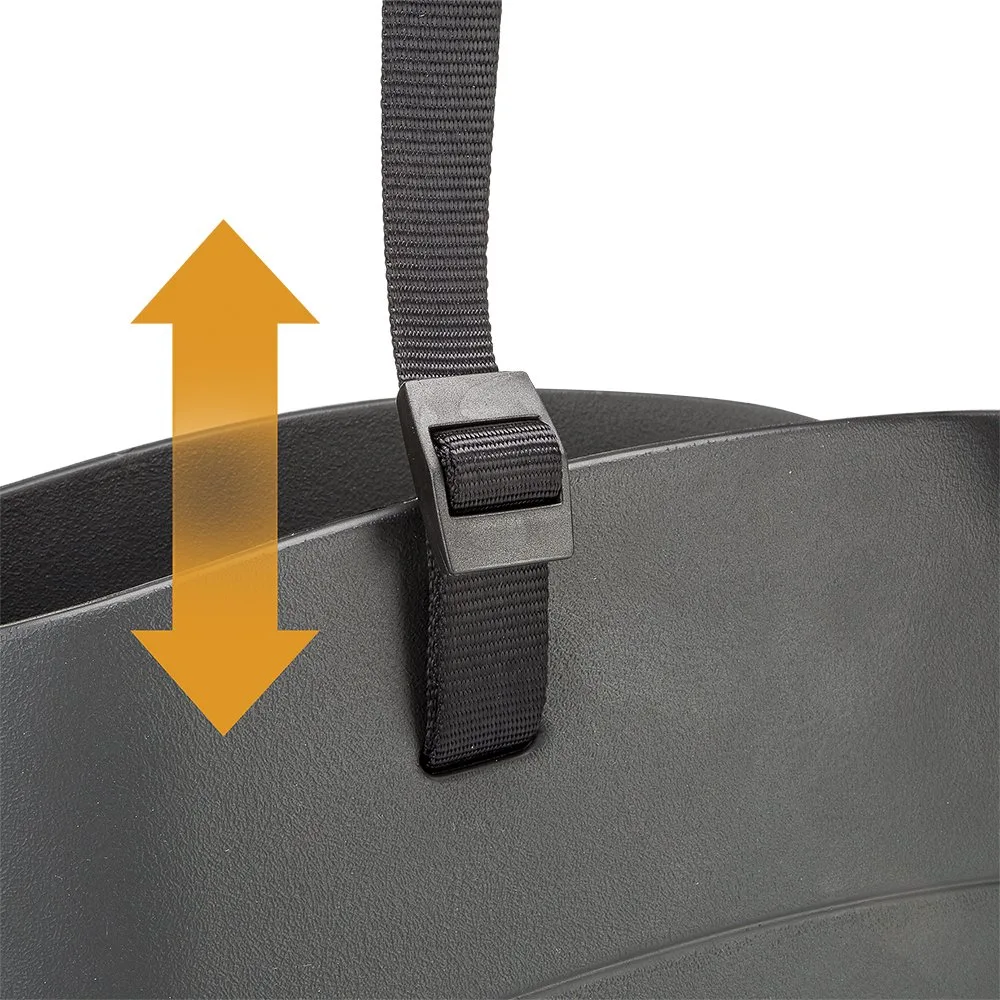
Measure the sample before wearing it. Check hole centre position against the position ratio, hole diameter against the drawing, centre-to-centre spacing, cuff circumference relaxed and extended, and binding width. A legs-out sample that is 8 mm out on hole position is not a near miss; it is a different product.
Then turn it inside out. Run a finger around the inside of each opening looking for ridges, exposed seam allowance, heavy thread and misplaced labels. Everything in the chafe discussion earlier is invisible from the outside and obvious from the inside.
Then load it. Seat the largest animal in the size band, walk it, sit it, and watch what the cuff does at the top of the thigh and at the groin. Photograph both. A cuff that rolls, bites or lets a paw through is a pattern problem and must go back before colour is discussed.
Wash one sample five times and measure cuff recovery against the pre-wash figure. If recovery has dropped more than 20 percent after five cycles, the twenty-cycle figure will be unacceptable and the elastic grade needs changing.
Only after all of that should colour, logo, care label and carton print be reviewed. Legs-out ranges are the most likely of any family to need a pattern change during sampling, and artwork approved before the pattern is stable is artwork that gets relaid.
Bulk runs 35-50 days from approval of sample, materials and print. Capacity at the SGS-verified production base supports planning, but a slot is held by deposit and booked materials rather than by a headline number.
Specification note: measure, invert, load and wash the sample in that order, and hold colour approval until the pattern stops moving.
Inspection Rules and the Returns Profile of Legs-Out Bags
Release at AQL 2.5 against a defect list written for this family, because a generic soft-goods checklist will pass units that customers return. Classify by consequence, not by appearance.
Critical: any opening with an exposed raw edge, any cuff that detaches under a light pull, any missing reinforcement ring, and any hole position that deviates from the drawing beyond the agreed tolerance. Each of these produces either injury or a product that cannot be used as designed.
Major: binding width under specification, cuff circumference outside tolerance, seam sitting on the inside of the opening, recovery below the approved figure, and any label positioned inside a leg opening. These will not injure an animal but they generate returns at a predictable rate.
Minor: stitch irregularity on non-contact panels, print registration tolerance, and shading variation between the shell and the cuff within the approved range.
Cuff circumference deserves measurement on every inspected unit rather than on a single sample, because elastic cutting length is the most variable operation in the build. Ask the inspector to pull ten units, measure relaxed circumference against the drawing, and record the spread. A wide spread indicates a cutting problem that will surface in the field.
Returns in this category cluster on three causes: cuff too tight, hole in the wrong place, and soiling the customer did not anticipate. The first two are prevented by the drawing and the inspection list. The third is prevented by the pad and by honest listing copy that states plainly what the bag does and does not handle.
Listing content should therefore lead with the two measurements, show the seated position photograph, state the pad is included, and state that the design is unsuitable for animals with rear limb conditions. That combination removes most of the ambiguity that drives returns.
Guidance on recognising discomfort and skin irritation in companion animals is published by the American Veterinary Medical Association, which is a reasonable reference for merchant-facing care copy.
Specification note: inspect cuff circumference on every sampled unit, classify opening defects as critical, and let the listing carry the exclusions.
Production capability
- SGS-verified production space of 4,950 m², 149 machines, 7 assembly lines
- Pet bag output since 2014 from a 137-person team
- 200,000 units shipped monthly under BSCI and ISO 9001 systems
People Also Ask
What is a pet leg out bag?
A small soft shell with two reinforced openings that let the animal's hind legs stay outside, keeping the rear half of the body free while the torso is supported.
Are legs-out carriers comfortable for dogs?
They are for short periods when the cuff is correctly sized and the holes line up with the hips. Discomfort shows first as a rub mark on the inner thigh.
How do I measure for a legs-out bag?
Take torso length from neck base to tail base and thigh circumference at the widest point with the animal standing. Weight alone is unreliable.
Can a legs-out bag be washed?
Yes at 30 degrees with the board out, though cuff elastic loses recovery with every cycle. Rib knit cuffs survive repeated washing far better.
Why does a leg slip out of the hole?
Usually the cuff has lost recovery after washing, or the relaxed circumference was cut too large for the thigh. Both are specification issues, not user error.
What does a wholesale legs-out bag cost?
Indicative FOB Xiamen is USD 5.40-9.80, with cuff method, reinforcement rings, liner grade and the absorbent pad setting the final number.
Do legs-out bags work for cats?
Yes for calm cats in the 2-5 kg band, provided the cuff grips without pressure and the openings sit far enough forward.
Frequently Asked Questions
What size range suits a legs-out bag?
2-6.5 kg, graded by torso length and thigh circumference rather than by weight. Where the two measurements disagree, take the larger size.
Why does hole position matter more than hole count?
Because the openings have to line up with where a specific animal's hind legs leave its body, and that varies by several centimetres within the same weight band.
Which cuff lasts longest?
A rib knit tube, which holds 90-95 percent recovery after twenty washes against 70-80 percent for a bound elastic tape. Rib knit costs more and takes longer to fit.
How wide should the binding be?
12 mm minimum. A 6 mm binding concentrates all of the walking movement into a narrow contact line and produces a rub mark quickly.
Is the bag machine washable?
It should be, at 30 degrees with the base board removed. Ask for a wash test at five, ten and twenty cycles and use the cuff recovery figures to set the care label.
Does it come with an absorbent pad?
It should, and ideally with a spare. The pad protects the lining, shortens the cleaning cycle and gives the retailer a consumable attach sale.
What is the MOQ for a wholesale pet leg out order?
MOQ 500 per colour. A first programme usually takes two sizes in a single neutral colour and adds the second colour on reorder.
How long is sampling?
Prototypes are cut 6-10 working days after the tech pack is fixed, assuming stock elastic, lining and hardware.
When does bulk start?
The 35-50 day window begins at approval of the final sample, the material list and the carton print. Legs-out patterns often move late, so freeze the drawing first.
Are legs-out bags safe for all animals?
No. They are unsuitable for animals with hip dysplasia, rear limb injury or advanced arthritis, and that exclusion should appear on the hangtag.
What inspection standard applies?
AQL 2.5 against an opening-specific defect list, with an exposed raw edge or a detached cuff classified as critical rather than cosmetic.
Which payment and delivery terms are used?
T/T 30/70 with FOB Xiamen pricing, held constant across competing quotes so freight does not distort the comparison.
How should the listing describe the design?
Lead with torso length and thigh circumference, show a seated photograph, state the pad is included, and carry the rear limb exclusion.
Talk to QUANZHOU JUNYUAN BAGS about a wholesale pet bag order: MOQ 500 pieces per colourway, samples in 6-10 working days, bulk production in 35-50 days under AQL 2.5 inspection.
Get a free quote Request a sample