Pet Yoga Bag: Wellness Style Sourcing Guide for Bulk Buyers
A wholesale pet yoga bag should be specified as a lightweight 14-20 L body at 0.7-1.0 kg empty, built from 300D-600D recycled polyester or organic cotton canvas with a 3 mm base board and a removable washable pad. Expect USD 7.80-14.20 FOB Xiamen. Orders run at MOQ 500 pcs per colourway, sample in 6-10 working days and ship 35-50 days after approval under AQL 2.5.
Executive Summary
This guide is for buyers developing a wellness-positioned pet bag for studio retail, subscription boxes, wellness marketplaces or DTC brands with a calm, low-structure aesthetic. The category sells on material honesty and low weight rather than on technical features, which inverts several of the assumptions that apply to structured pet bags.
Our production team runs these programmes at MOQ 500 pcs per colourway, with mixed colourways permitted inside one order - useful here, because wellness assortments tend to want three or four quiet colour names rather than one loud one. Samples take 6-10 working days after tech pack confirmation and bulk runs 35-50 days after approval, offered to AQL 2.5 pre-shipment inspection on T/T 30/70 against FOB Xiamen.
The three decisions that shape the outcome are fabric selection and its certificate chain, how much structure to retain at low weight, and which sustainability claims the programme can actually document. Cost follows the same logic as material: wellness programmes are smaller and drop more often, so per-unit certificate cost and freight efficiency matter more than in high-volume categories. Plan three or four drops a year rather than one annual buy.
Buyers comparing bulk dog carriers against bulk cat carriers usually find the difference is structural, not cosmetic: Pet Bag Types & Styles sets the base panel and the vent area, and both drive the tooling. Bulk pet carriers ordered across two species still qualify as one programme when the shell platform is shared.
What a Wellness-Positioned Pet Bag Is and Who Actually Buys It
A wellness-positioned pet bag is defined as much by what it omits as by what it includes. No expedition webbing, no tactical hardware, no high-contrast colour blocking. The silhouette is soft and slightly slouchy, the palette is quiet, and the material story is the first thing a customer touches. In practice it sits closer to a yoga mat bag with a pet compartment than to any technical pet product.
The buyers are correspondingly different. Studio retail and subscription-box buyers purchase on narrative and margin; they want a story that can be told in two sentences on a product card and a landed cost that supports a 4-5x markup. Wellness marketplaces and DTC brands purchase on material credentials and photography. None of these buyers is primarily interested in a weight rating, which is why so many wellness pet programmes fail on the basics: the product reads beautifully and performs poorly.
- Channels: studio retail, subscription boxes, wellness and gift marketplaces, DTC lifestyle brands, hotel and retreat amenity programmes.
- Price architecture: USD 45-95 retail, with subscription boxes buying at the lower end and studio retail at the upper end.
- Payload: pet 4-7 kg plus a mat, towel and water bottle - plan 14-20 L total.
- Use pattern: short, low-intensity trips of 20-45 minutes, one to four times per week.
- Buying trigger: material and colour first, functionality second.
Because the trigger is material, the tech pack conversation has to start with fabric, not with dimensions. Buyers who specify dimensions first and fabric second end up with a bag that meets the volume requirement in a material the customer does not want to touch, and no amount of good photography fixes a fabric that feels wrong in the hand.
There is also a genuine commercial advantage in this category worth naming explicitly: wellness assortments reorder more frequently in smaller drops than fitness or outdoor assortments do. That suits a mixed-colourway order structure well, and it means the relationship value of a first programme is higher than the unit count suggests. Plan for three or four drops a year rather than one large annual buy.
Lightweight Construction: Keeping Structure Without the Weight
The engineering tension in a yoga-style pet bag is between softness and support. The aesthetic wants the bag to relax; the animal inside needs a floor that does not fold. Resolving that without adding weight is the core design problem of the category, and it is solvable with the right combination of board, seam placement and strap geometry.
The working solution is a narrow but thick base board rather than a wide thin one. A 3-4 mm EVA board extending across the pet cavity footprint only, wrapped in matching fabric, gives a stable floor at roughly half the weight of a full-footprint board. Support then comes from the strap geometry: two webbing runs from the base board up to the shoulder strap roots carry the load into the strap rather than into the side panels, which is what allows the shell to stay soft.
| Approach | Empty weight impact | Floor stability | Aesthetic |
|---|---|---|---|
| No board, soft base | baseline | Poor - folds under a 5 kg pet | Very relaxed |
| 3 mm EVA, footprint only | + 90-130 g | Good to 6 kg | Soft shell, firm floor |
| 4 mm EVA, full base | + 150-220 g | Good to 8 kg | Slightly structured |
| Moulded EVA tray with feet | + 260-380 g | Excellent to 10 kg | Reads technical |
Weight matters commercially in two ways that are easy to underestimate. First, an owner carrying a 6 kg pet plus a mat plus a bottle notices every 100 g. Second, and more prosaically, empty weight drives parcel shipping brackets for DTC fulfilment; moving a bag from 1.05 kg to 0.85 kg can change the per-order shipping cost across an entire year.
Seam placement is the other tool. Vertical corner seams that stop 40 mm short of the base allow the panels to relax while the base stays square, and a single horizontal seam at the base line ties everything to the board. This is a small pattern detail with a large effect on how the bag reads on a shelf, and it costs nothing to specify.
One caution: do not let the pursuit of lightness remove the interior tether or reduce the mesh area. A soft bag with no tether and panels that collapse against the animal is a welfare and review problem, and wellness customers are the most likely cohort to notice and to comment on it.
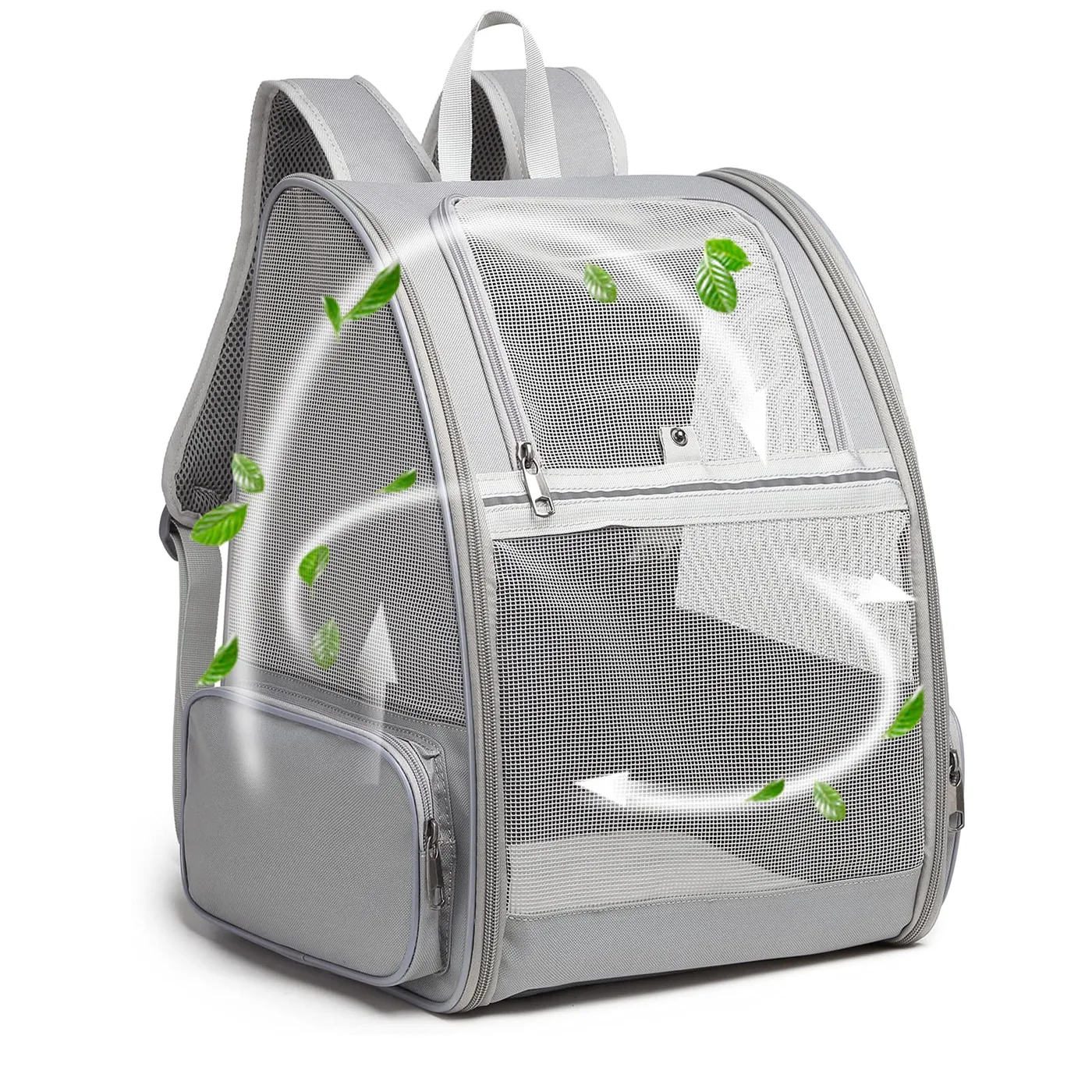
Material Choices: RPET, Organic Cotton and Trim Documentation
Material is the product in this category, so the selection deserves more rigour than it usually gets. The three credible families are recycled polyester, organic or conventional cotton canvas, and blended canvas with a recycled lining. Each has a different certificate chain, a different hand feel and a different cleanability profile, and the choice should follow the brand position rather than the price.
Recycled polyester at 300D-600D is the most practical default. It is light, wipe-clean when coated, colourfast, and it supports a recycled-content claim with a transaction certificate chain. The trade-off is hand feel: RPET can feel slightly dry or papery unless the yarn and finish are chosen carefully, and a wellness customer will notice. Ask for physical fabric swatches before committing, not a photograph.
Cotton canvas - organic or conventional - has the hand feel the category wants and the maintenance profile it does not. Canvas absorbs moisture, stains, and dries slowly, which is a real problem in a bag that carries an animal. If the brand position demands canvas, specify a removable, washable, coated base pad and a coated internal floor panel, and say clearly in the copy that the pad is the washable element.
Trim is where wellness programmes usually lose their material story. A beautiful RPET shell with virgin nylon webbing, PVC-coated mesh and a chrome zip undermines the entire claim. Specify recycled webbing, polyester mesh without PVC coating where claw resistance permits, and a matte or antique finish zip tape. For any claim printed on packaging, an OEKO-TEX certified textile input provides a certificate number a retailer can verify directly.
- Shell: 300D-600D recycled polyester with GRS transaction certificate, or 10-12 oz canvas.
- Lining: recycled 190T-210D with a wipe-clean coating; avoid brushed tricot in the pet zone.
- Webbing: recycled polyester, 20-25 mm, natural or dyed to match.
- Mesh: polyester mesh, PVC-free where claw resistance allows; verify with a scratch test.
- Hardware: matte nickel, antique brass or a natural-finish alternative; no glossy chrome.
- Base pad: closed-cell foam with a removable coated cover.
Finally, ask for the fabric certificate at quoting stage and check that it names the mill, the lot and the percentage. A supplier who can produce a certificate in a day is a supplier whose supply chain is already documented; one who needs three weeks is telling you something about how the next audit will go.
Recycled content and the certificate chain
A recycled-content claim is only as good as its weakest document link. The chain runs from the recycle input supplier, through the yarn mill, through the fabric mill, to the cut-and-sew operation, and each transfer needs a transaction certificate with matching lot numbers and dates. Retailers audit exactly this, and a gap between the fabric certificate date and the production date is the most common reason a claim is rejected.
The chain also has to survive the cut-and-sew stage. A transaction certificate covers a transfer of goods between two parties; it does not automatically extend to the finished bag. Buyers should confirm that the factory's certificate scope covers cut-and-sew and that the certificate quantity is consistent with the order quantity, because an auditor will check exactly that arithmetic.
Where a programme uses more than one certified input - a recycled shell and a recycled lining, for example - keep them as separate lines with separate certificates. A single composite claim without a breakdown is the most common reason a recycled-content declaration is rejected at retail onboarding, and it is entirely avoidable with tidy paperwork.
Retention matters as much as production. Certificates should be kept for the life of the claim plus two years, filed by SKU and by production lot, so that a retailer question eighteen months after delivery can be answered in an afternoon rather than after a week of emails. Where a programme sells through several retailers, keep one master folder and issue extracts from it, so that every customer receives the same document set and no version drifts out of date.
Sustainability Claims That Survive a Retailer Audit
Wellness programmes generate more claim risk than any other category in this assortment, because the brand position invites claims and the documentation often lags behind. The rule that keeps buyers safe is simple: print only what you can produce a current, named, dated certificate for.
| Claim | Evidence required | Audit exposure |
|---|---|---|
| Recycled fabric | GRS transaction certificates, mill to factory | High - lot dates checked |
| Organic cotton | Scope certificate plus transaction certificate | High |
| Chemically safe textile | OEKO-TEX certificate number on the hangtag | Medium - number verified online |
| Vegan / no animal input | Component declaration across glue, leather trims, labels | Medium - glue is the usual gap |
| Carbon or water saving | Third-party assessment with stated methodology | Very high - avoid unless commissioned |
| Compostable or biodegradable | Standard-specific certification with disposal conditions | Very high - usually misleading |
Two of those rows deserve emphasis. Vegan claims fail on adhesive: a bag with no leather trim can still use an animal-derived glue in the base board laminate, and the component declaration is where that surfaces. Compostable and biodegradable claims on a durable textile product are almost always misleading in practice, because the conditions required for degradation do not exist in a landfill or a home bin.
Marketplace exposure is the practical enforcement mechanism. Major marketplaces and several national advertising regulators now require substantiation on environmental claims, and they act on complaints quickly. The commercial consequence of an unsubstantiated claim is not a fine in the first instance - it is a delisting, which costs the entire season.
The defensible alternative is to describe rather than claim. "Made with recycled polyester certified to the Global Recycled Standard, transaction certificate available on request" is specific, verifiable and safe. "Eco-friendly" is neither, and it is the phrase most likely to attract a complaint.
Buyers should also plan for certificate renewal. Certificates expire annually, and a reorder placed eighteen months after the first order will be asked for a current document. Build a calendar reminder into the purchase process so the document is requested with the order, not after the shipment has sailed.
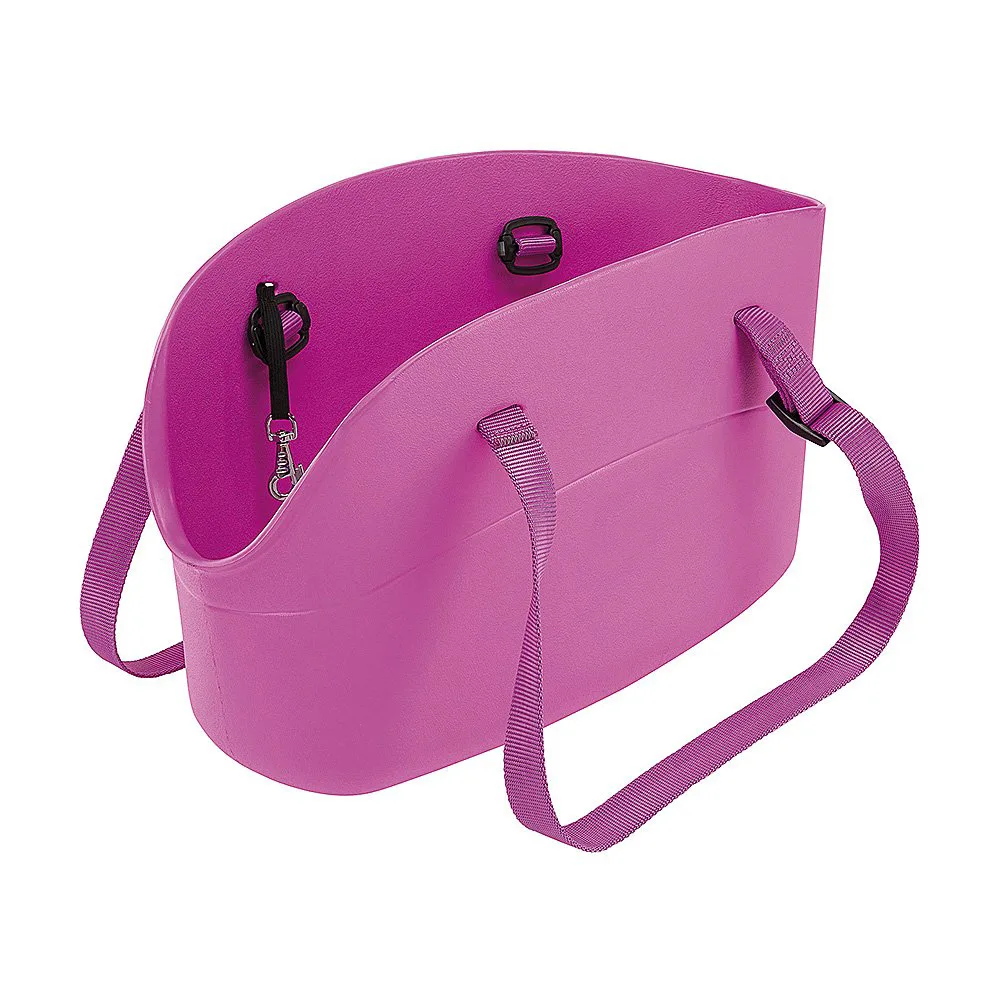
Comfort and Carry Ergonomics for Low-Intensity Use
Wellness bags are carried for shorter periods than travel bags, but they are carried in ways that create their own problems: over one shoulder, in the crook of an arm, or slung across the body while the owner's hands are busy. The ergonomic priorities are therefore different from a hiking pack's, and copying a hiking harness into this category is a mistake.
The first priority is strap width and edge finish. A 20-25 mm strap carrying 7 kg concentrates pressure uncomfortably on a bare shoulder; the options are a wider 38 mm webbing strap, which reads technical, or a soft-wrapped pad that distributes load without widening the visible strap. For a wellness aesthetic, the wrapped pad is usually the better answer, and it costs USD 0.35-0.70.
The second priority is strap slip. Soft-shell bags with narrow straps slide off a shoulder constantly, and the customer's reaction is to blame the product. A silicone-grip print on the underside of the pad, or a slightly wider pad with a grippy backing fabric, solves it cheaply. This is the kind of detail that separates programmes with 4.6-star reviews from programmes with 4.1.
The third priority is opening geometry. Owners in this category put the bag down, open it, and let the animal step out rather than lifting the animal out. A top opening that folds back fully, with a stiffened lip that stays open, is worth more to this user than any amount of padding.
- Strap: 25-38 mm, wrapped pad with a non-slip backing, bar-tacked at both roots.
- Drop length: adjustable 280-620 mm to suit cross-body and shoulder carry.
- Opening: full-perimeter zip with a stiffened lip that holds position when open.
- Interior: two slip pockets for phone and keys, one zip pocket, no rigid dividers.
- Empty weight target: 0.70-1.00 kg for a 14-20 L body.
Weight distribution is worth a sentence in the tech pack even for a soft bag: the pet cavity should sit centrally over the base board, with accessory pockets on the outer faces, so the load does not pull the bag away from the body when carried cross-body.
Packaging and the unboxing moment
Wellness programmes sell an experience as much as a product, and the unboxing is the first physical contact the customer has with the brand. A bag shipped in a plain polybag inside a brown carton wastes the most persuasive moment in the programme.
The cost of a better unboxing is modest: a recycled paper sleeve at USD 0.35-0.75, a printed insert card at USD 0.08-0.20, and tissue rather than plastic fill at a similar cost to what it replaces. For a product retailing at USD 69, that is under two percent of retail and it changes the review language noticeably.
The trade-off is freight. Presentation packaging increases carton volume and worsens container utilisation, and for a soft bag that otherwise packs flat the effect is real. Model it, and if the programme is shipping by sea in reasonable volume, accept it - the review benefit outweighs the freight on a soft product.
The insert card is the highest-value item in the package per cent spent. For a wellness product it should carry three things: the material story with its certificate reference, the care routine for the removable pad, and one sentence about how the product was designed. Customers read it, and they quote it in reviews.
One practical caution: printed packaging is itself a compliance artefact. Inks, coatings and any plastic lamination on a sleeve or card belong on the chemical declaration for the destination market, and recyclability claims on packaging are scrutinised as closely as claims on the product. Keep the packaging declaration with the product declaration in the same folder.
Cost Structure, MOQ and Margin for Low-Volume Programmes
Wellness programmes are typically smaller than fitness or outdoor ones, and that has a direct effect on unit cost. Buyers should go in expecting a higher FOB than a volume programme of comparable quality, and should plan order structure accordingly.
| Build level | Shell | Base | FOB band | Target retail |
|---|---|---|---|---|
| Entry | 300D polyester, standard lining | 3 mm PP board | USD 7.80-9.60 | USD 39-55 |
| Mid | 600D RPET, GRS certified | 3 mm EVA, footprint only | USD 10.20-12.90 | USD 59-79 |
| Premium | 12 oz organic canvas, RPET lining | 4 mm EVA, wrapped | USD 12.60-16.40 | USD 79-110 |
For a mid build around USD 11.50, the split is: fabric and lining 30-36%, trim and hardware 12-16%, board and pad 7-10%, labour 22-27%, certification and documentation 3-5%, packaging 4-6%, factory margin 8-12%. The certification line is real: GRS transaction certificates and laboratory testing cost money per certificate, and on a small order they are a larger percentage than buyers expect.
The MOQ structure is the main lever available. MOQ 500 pcs per colourway applies, but wellness programmes can use it well: four colourways at 500 each gives 2,000 units and four hangtag SKUs from one fabric buy if the body colour is shared and only the lining or trim changes. That approach keeps the dye lot simple and the per-unit price in the mid band while giving the brand a four-colour story.
The saving levers here are narrower than in structured categories, because the material is the product. Reducing fabric weight or switching from RPET to virgin polyester saves USD 0.60-1.40 and removes the brand's central claim. The better levers are packaging simplification, standard hardware instead of custom pullers, and consolidating drops into fewer, larger orders to improve cutting yield.
One structural caution: do not push a first wellness order below 1,000 total units to save cash. Below that size the certificate cost, the sampling cost and the freight inefficiency together can add 8-12% to landed cost, which is more than the inventory saving is worth.
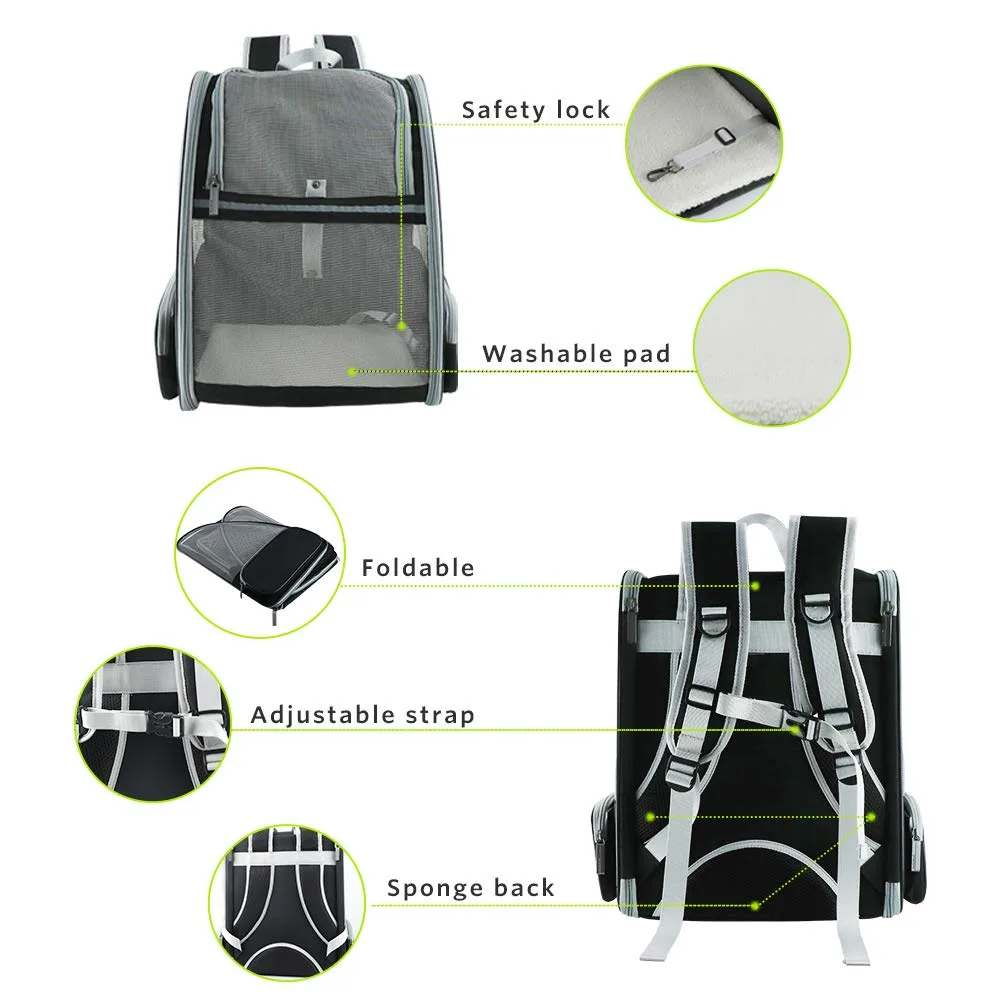
Sampling, Lead Time and Planning a Wellness Drop Calendar
Sampling is 6-10 working days per round after tech pack sign-off, and wellness programmes reliably need two rounds - the first to validate fabric hand and silhouette, the second to validate colour and branding. Buyers who skip the first round because the bag is "simple" usually discover that the fabric feels different from the swatch once it is assembled.
Bulk production is 35-50 days after approval. Organic or recycled fabric with a certificate chain can add 5-10 days at the front end while the mill documentation is assembled, and buyers should build that into the calendar rather than discovering it. Sea freight and customs to a US or EU warehouse add 30-45 days.
| Drop | Tech pack lock | Sample approval | Goods received |
|---|---|---|---|
| Spring renewal | Early November | December | February |
| Summer light | February | March | May |
| Autumn reset | May | June | August |
| Gifting season | August | September | November |
The pattern to notice is that each drop is locked roughly four to five months before goods are received, and the drops overlap: while one is in production the next is in sampling. Buyers who treat each drop as a standalone project lose the efficiency of shared fabric buys and shared inspection bookings.
Pre-shipment inspection at AQL 2.5 should be specified with a defect list written for soft construction: panel skew, uneven top edge, strap-length variance beyond tolerance and colour variance between the shell and the trim all belong on it. Soft bags hide construction faults better than structured ones do at a glance, which is exactly why the inspection needs to be explicit.
Finally, hold the golden sample and the fabric swatch together. On a reorder ten months later, the swatch is what settles a colour argument, because dyed lots vary within tolerance and memory does not.
Compliance, Labelling and Marketplace Claim Risk
A soft wellness bag still has to meet the consumer-product obligations of the market it is sold in, and the chemical profile of a canvas or recycled-fabric product attracts its own questions. Plan the document set alongside the tech pack, because retrofitting certificates after production means re-ordering fabric.
For the US, obligations and recall guidance sit with the US Consumer Product Safety Commission, and the practical requirement for a buyer is traceability: a batch code on the product, retained production records, and a responsible party identified before the first shipment. California exposure warnings are administered by OEHHA, and dyes, coatings and hardware finishes are the components typically asked about.
For the EU, REACH restrictions apply to dyes, coatings and hardware, and the packaging waste and extended-producer-responsibility regimes are tightening. A mono-material build - polyester shell, polyester lining, polyester webbing and thread - makes both the declaration and the reporting materially easier, and it is worth raising as a design constraint rather than an afterthought.
- Batch code sewn into the bag; production record retained for at least 24 months.
- Fibre composition and country of origin in the importing market's format.
- Instruction insert: weight rating, tether use, wash and air-dry guidance for the removable pad.
- Certificate numbers printed for any recycled, organic or OEKO-TEX claim, current and renewable.
- Test reports: colour fastness to rubbing and light, abrasion, hardware corrosion, chemical screens as requested.
Marketplace claim risk deserves its own paragraph. Environmental and wellness claims are the most frequently challenged category of product copy on large marketplaces, and the enforcement is automated before it is human: a listing containing an unsubstantiated claim can be suppressed before anyone reads it. Keep the copy specific, keep the certificates current, and keep a folder per SKU that can be produced in an afternoon.
On the manufacturing side, an ISO 9001 quality management system is what keeps the third drop matching the first, and third-party verification through SGS testing and inspection gives the retailer an independent name on the file. Our production network operates under that system, with the pre-shipment inspection performed per shipment rather than per year.
Production capability
- SGS-verified production space of 4,950 m², 149 machines, 7 assembly lines
- Pet bag output since 2014 from a 137-person team
- 200,000 units shipped monthly under BSCI and ISO 9001 systems
People Also Ask
Can a soft pet bag be safe for a dog?
Yes, provided the pet cavity has a 3-4 mm EVA floor, a fixed interior tether and ventilation panels that do not collapse against the animal when the shell relaxes.
Is recycled polyester good for pet bags?
It is the most practical choice: light, strong for its weight, colourfast and documented through a transaction certificate chain. The trade-off is hand feel, so physical swatches should be approved before production.
How much should a wellness pet bag weigh?
Target 0.70-1.00 kg empty for a 14-20 L body. Every 100 g removed is payload the owner gains and, for DTC brands, a lower parcel shipping bracket.
What colour names work for wellness pet bags?
Quiet, natural references - sage, clay, oat, stone, mist - outsell saturated colours in this channel. Ask the retailer for the seasonal palette before choosing Pantone references.
Can a canvas pet bag be washed?
The shell should be spot-cleaned only. Design for a removable coated base pad that is genuinely washable, and state that clearly in the instruction insert.
Do wellness marketplaces require certificates?
Most require substantiation for environmental claims and will suppress a listing containing an unsubstantiated one. Keep a per-SKU document folder that can be produced quickly.
Is a smaller first order cheaper overall?
Rarely. Below about 1,000 units, certificate costs, sampling and freight inefficiency together can add 8-12% to landed cost per piece.
Frequently Asked Questions
What distinguishes a pet yoga bag from other pet bags?
A soft, low-structure silhouette, a quiet palette, lightweight construction at 0.7-1.0 kg empty, and a material-led brand story. Functionality is present but understated, and the base board is narrow rather than technical.
Can a soft bag still support a pet safely?
Yes, if the base board is 3-4 mm EVA across the pet footprint with load carried into the strap roots by internal webbing runs. The shell can stay soft while the floor stays flat.
Which fabric is best for a wellness pet bag?
600D recycled polyester with a GRS certificate is the practical default: light, colourfast, wipe-clean when coated and it supports a documented claim. Cotton canvas has better hand feel but absorbs moisture and stains.
What is the MOQ for a pet yoga bag?
MOQ is 500 pcs per colourway with mixed colourways permitted in one order. A first wellness programme of 1,500-2,000 pcs across three or four colourways is typical.
How long do samples take?
6-10 working days per round after tech pack confirmation. Two rounds are normal: one for fabric hand and silhouette, one for colour and branding.
How long is bulk production?
35-50 days after sample approval. Certified organic or recycled fabric can add 5-10 days while mill documentation is assembled.
What sustainability claims can be printed safely?
Only those with a current, named, dated certificate: recycled content with GRS transaction certificates, organic content with a scope and transaction certificate, and OEKO-TEX with a verifiable number. Avoid generic eco-friendly language and avoid compostable claims on durable textiles.
How much does a wholesale pet yoga bag cost?
USD 7.80-9.60 FOB Xiamen for an entry build, USD 10.20-12.90 for a mid RPET build, and USD 12.60-16.40 for a premium organic canvas build.
Does certification cost extra on small orders?
Yes. Transaction certificates and laboratory testing carry per-certificate costs, which is why orders below about 1,000 total units carry a higher effective landed cost per piece.
What inspection standard applies?
AQL 2.5 with a defect list written for soft construction: panel skew, uneven top edge, strap-length variance and shell-to-trim colour variance.
Can four colourways be produced in one order?
Yes. Four colourways at 500 each is a common structure, and sharing the body colour across the order with different lining or trim keeps the dye lot simple.
How should a wellness drop calendar be planned?
Allow four to five months from tech pack lock to goods received, and plan three or four overlapping drops per year rather than one annual buy.
Talk to QUANZHOU JUNYUAN BAGS about a wholesale pet bag order: MOQ 500 pieces per colourway, samples in 6-10 working days, bulk production in 35-50 days under AQL 2.5 inspection.
Get a free quote Request a sample